

US dollar hits 4-month low as Trump trade deflates
 Add BT as a preferred source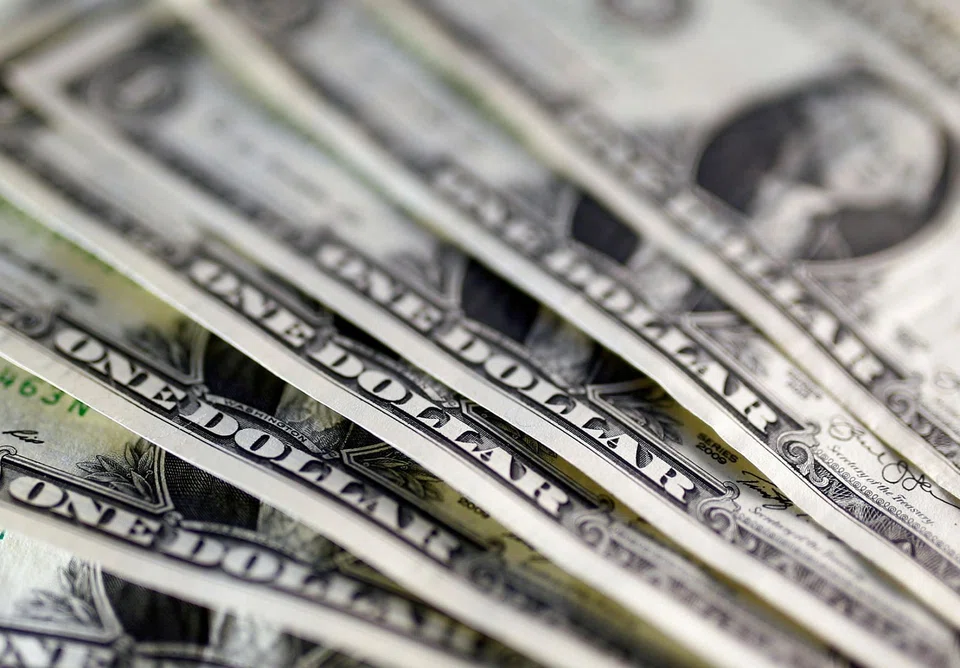
DeeperDive is a beta AI feature. Refer to full articles for the facts.
[NEW YORK] The US dollar fell to its lowest since November against a basket of currencies on Monday as investors lost confidence in prospects for a US fiscal spending boost under President Donald Trump after his failure to pass a major healthcare reform bill.
Mr Trump's inability to deliver on his campaign pledge to overhaul the nation's healthcare system marked a big setback for a Republican president whose own party controls Congress, and raised doubts over whether he will be able to see through tax reforms and a proposed spike in spending.
The US dollar recovered broadly during North American trading, but remained down 0.45 per cent on the day against the basket of currencies used to measure its broader strength.
It earlier fell as low as 98.858, the lowest since Nov 11.
"The assumption was that if you can't get healthcare done that some of the other things on his agenda, mainly the tax reform, would be a harder sell," said John Doyle, director of markets at Tempus Inc in Washington.
The US dollar index had risen to a 14-year high near 104.00 in early January when expectations for inflation-boosting stimulus under the Trump presidency were at their peak, with investors betting on the so-called "Trumpflation" trade.
Navigate Asia in
a new global order
Get the insights delivered to your inbox.
For the third week in a row, speculators increased bullish bets on the US dollar in the week up to last Tuesday, pushing net long bets to their highest since Jan 31, Commodity Futures Trading Commission data showed on Friday.
Against the Japanese yen, the US dollar fell to its weakest since Nov 18 and hit its lowest against the Swiss franc, another traditional safe haven, since Nov 9.
The euro reached US$1.0904, its highest since Nov 11. Sterling, the worst performer among the Group of 10 major currencies against the US dollar this year, hit an eight-week high of US$1.2615.
"The British pound is still close to its weakest level in 30 years, so it has some upside especially since data out of the UK has been better," Mr Doyle said.
"The Japanese yen has had a great run because stocks around the globe are down. So if you start breaking it down into each individual currency there's a good reason, but overall it's just a dollar negative day."
The US dollar rose more than 3 per cent against the South African rand after the country's finance minister Pravin Gordhan was asked by President Jacob Zuma to return early from an investor roadshow abroad, prompting worries of a looming cabinet reshuffle.
REUTERS
Share with us your feedback on BT's products and services
TRENDING NOW

Air India asks Tata, Singapore Airlines for funds after US$2.4 billion loss

‘Boring’ is the new black: The stars are aligning for a Singapore stock market revival

From 1MDB to ‘corporate mafia’: Is Malaysia facing a new governance test?

South-east Asian markets account for 8.8% of global capital inflows from 2021 to 2024: report

