

US dollar slips on easing tensions over Polish missile strike
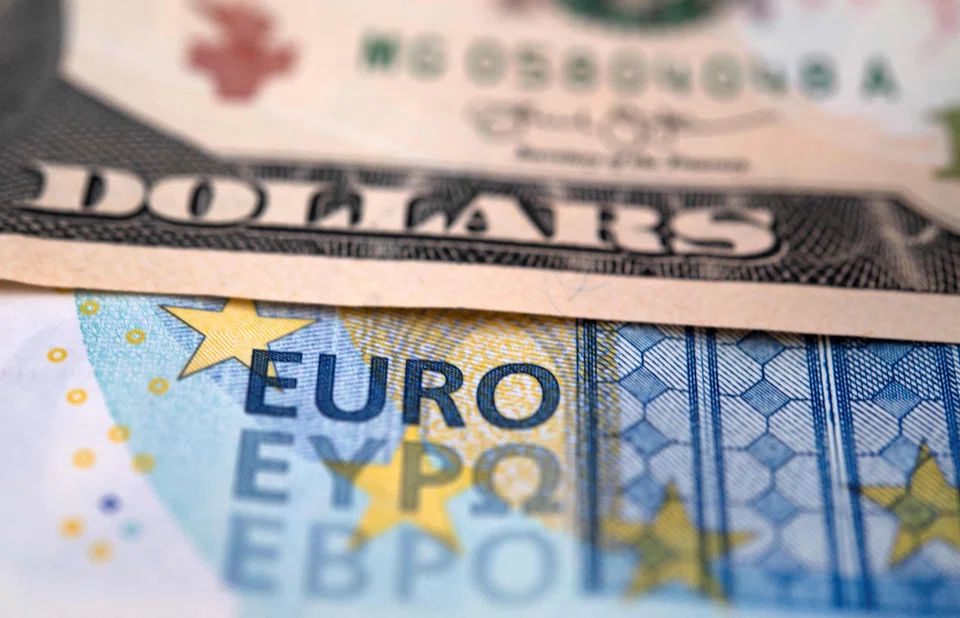
THE US dollar slid back on Wednesday (Nov 16) towards the multi-month lows it hit a day earlier after the flight to the safe-haven greenback caused by a missile strike on Poland reversed, as it emerged the blast was likely caused by Ukrainian air defences.
The euro was last 0.67 per cent higher at US$1.04 and closing in on the four-and-a-half month peak of US$1.05 it touched on Tuesday after US producer price inflation came in below expectations.
That data reinforced bets that last week’s cooler-than-expected consumer price inflation was not a one-off. Slowing US inflation, if sustained, should mean the US Federal Reserve can slow or even pause the aggressive rate hikes that sent the US dollar to multi-decade highs against the pound, euro and yen this year.
Daily moves were more a function of geopolitical concerns, however, as the European common currency rebounded from as low as US$1.03 on Tuesday when news of the explosion sent traders to the safety of the US dollar, which also caused falls in equities.
Nato-member Poland and Ukraine initially said the blast was likely caused by a Russian missile, but Poland and Nato on Wednesday said it was likely caused by a Ukrainian air defence missile.
“Geopolitical risks continue to hang over currency markets and are likely to remain a key driver of volatility,” said Kim Mundy, senior currency strategist at Commonwealth Bank of Australia.
Elsewhere, data released on Wednesday showed inflation in Britain – in contrast with the United States – continues to rise, hitting a 41-year high in the 12 months to October.
Sterling was initially unchanged after the data, but then caught onto the broader rally sparked by easing of geopolitical tension to climb 0.36 per cent to US$1.19.
Simon Harvey, head of FX analysis at Monex Europe, said the muted initial reaction was primarily because the data was in line with the Bank of England’s expectations.

Britain will announce a new budget on Thursday, in which finance minister Jeremy Hunt is expected to announce tax hikes and spending cuts.
The US dollar was flat against the Japanese yen at 139.32, near Tuesday’s two-and-a-half-month low of 137.67, and was also down 0.5 per cent on the Swiss franc at 0.94, near Tuesday’s seven-month low.
The US dollar index, which tracks the greenback against six main peers, was 0.44 per cent lower at 105.9. REUTERS
Decoding Asia newsletter: your guide to navigating Asia in a new global order. Sign up here to get Decoding Asia newsletter. Delivered to your inbox. Free.
Share with us your feedback on BT's products and services
TRENDING NOW

Trump welcomes China’s Xi at airport to kick off three-day state visit

As the Fed hikes interest rates, S-Reits sector could be overdue for consolidation

He built the Vingroup empire. Now South-east Asia’s richest man is handing some key roles to his sons

Simba admits exceeding spectrum limits amid failed M1 deal; parent company Tuas’ full-year profit surges 277%

