US Fed plans tighter rules on bank commodity activities
 Add BT as a preferred source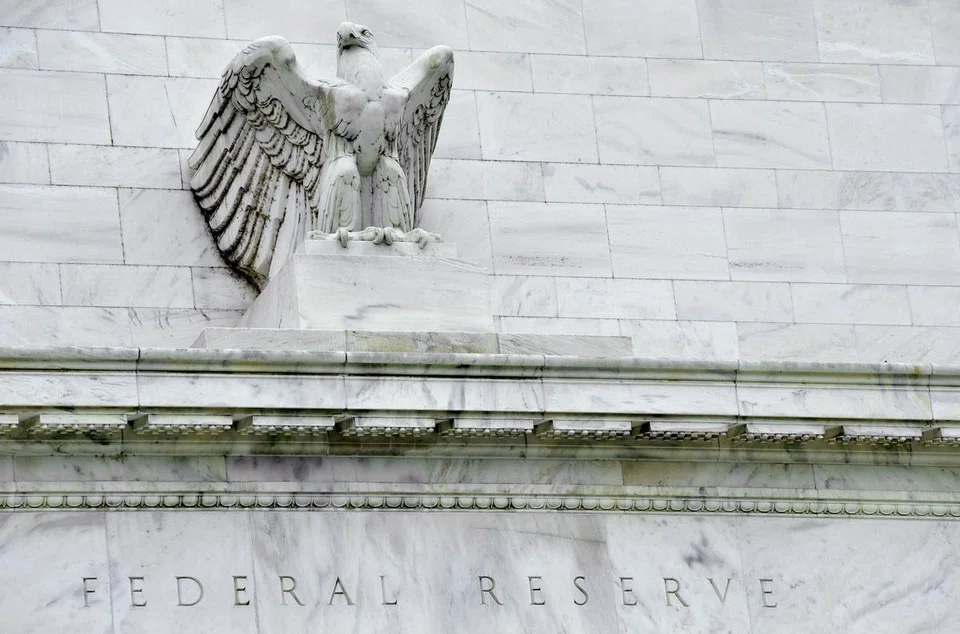
[WASHINGTON] The US Federal Reserve on Friday proposed new regulations that would restrict banks' trading and investments in physical commodities in an effort to limit environmental and other risks to financial stability.
US regulators have pointed to the 2010 Deepwater Horizon oil spill - in which an offshore oil rig exploded, touching off an environmental disaster that resulted in billions of dollars in fines to companies involved - as an example of the risks that commodities investment can pose to financial institutions.
Under the new rules unveiled Friday, the investment banks Goldman Sachs and Morgan Stanley, which unlike other banks are allowed to invest in extracting, transporting and storing physical commodities, would face heightened capital requirements for such activities.
Other banks which engage in commodities trading that extends to physical commodities - such as oil futures contracts settled in oil and not cash - would also be required to devote higher capital reserves to backing the deals.
The rules would cap the amount of physical commodities in which banks may invest. They also re-classify copper as an industrial rather than precious metal, removing it from the list of metals that banks are permitted to own and store.
US regulators in recent years have shown increasing concern with banks' involvement in the commodity and energy sectors, calling on lawmakers to help limit such activities. The Fed's proposed rules are open to a 90-day comment period before final implementation.
AFP
Share with us your feedback on BT's products and services