

US Fed to let leverage exemption expire on March 31, will review rule
 Add BT as a preferred source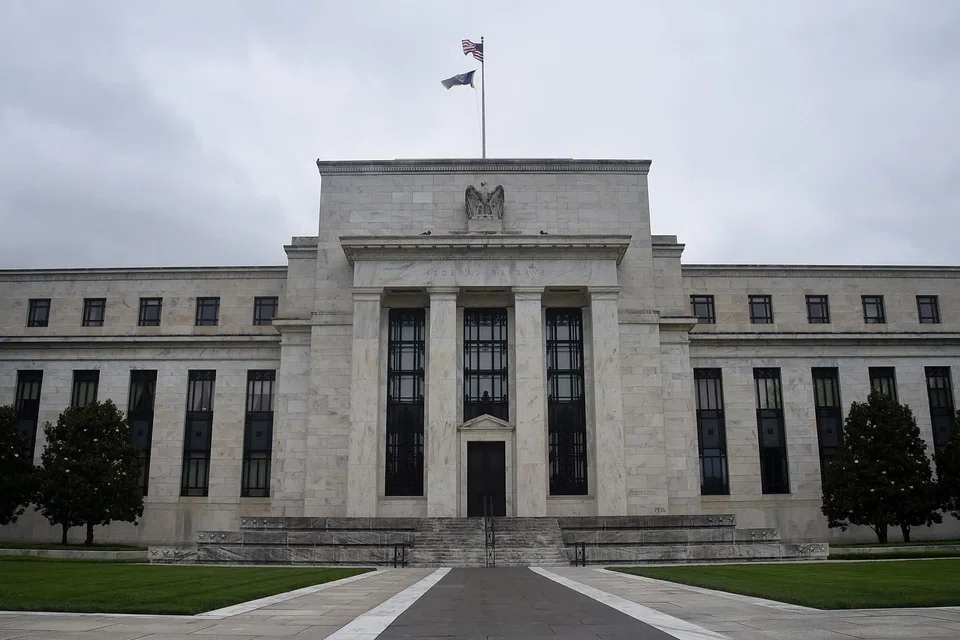
DeeperDive is a beta AI feature. Refer to full articles for the facts.
[WASHINGTON] Big US banks will have to resume holding an extra layer of loss-absorbing capital against US Treasuries and central bank deposits from next month after the Federal Reserve said it would not extend a temporary waiver that had exempted those assets from a key bank leverage rule.
On Friday, the Fed said it would, however, review the "supplementary leverage ratio" rule due to concerns it is no longer functioning as intended as a result of the central bank's emergency pandemic monetary policy measures.
To ease stress in the Treasury market sparked by the Covid-19 pandemic and to encourage bank lending as American households and businesses struggled amid lockdowns, the Fed last April excluded US Treasuries and central bank deposits from the leverage ratio until March 31 this year.
Uncertainty over whether the Fed would stick to that expiration date has added to recent anxiety in fixed income markets. Analysts have said allowing the rule to expire could push banks to cut back on government debt and reduce the funding for other investors to buy bonds.
But on Friday, Fed officials said they were confident that allowing the exemption to expire would not impair Treasury market liquidity or cause market disruption because the Treasury market had stabilised and big banks have high levels of capital.
The US 10-year Treasury yield rose slightly Friday morning to 1.7353 per cent, indicating some initial concern over the news.
Navigate Asia in
a new global order
Get the insights delivered to your inbox.
The leverage ratio was adopted after the 2007-2009 financial crisis as a backstop to other capital rules. But it is rapidly becoming the primary limit on banks' businesses as their balance sheets have swelled with funds from Covid-19 emergency stimulus programmes.
Bank deposits at the Fed, also known as reserves, have sky-rocketed to US$3.9 trillion since the pandemic began, according to Fed data from Thursday, and are expected to increase by another US$2 trillion before the Fed pares back stimulus efforts.
Due to that growth in the supply of central bank reserves and the issuance of Treasury securities, the Fed said on Friday it may need to change the calibration of the ratio "to prevent strains from developing that could both constrain economic growth and undermine financial stability." However, it pledged that any changes to the rule would not erode the overall strength of bank capital requirements.
REUTERS
Decoding Asia newsletter: your guide to navigating Asia in a new global order. Sign up here to get Decoding Asia newsletter. Delivered to your inbox. Free.
Share with us your feedback on BT's products and services
TRENDING NOW

Shelving S$5 billion office redevelopment plan proved ‘wise’ as geopolitical risks mount: OCBC chairman

Eurokars Group introduces rental car franchises Enterprise Rent-A-Car, National Car Rental, and Alamo to Singapore

20 photos that show how dramatically Singapore has changed in two decades
Singapore’s key exports up 15.3% in March from electronics surge, exceeding forecasts

