US Fed’s Jefferson: sustained higher energy prices could worsen inflation, spending outlook
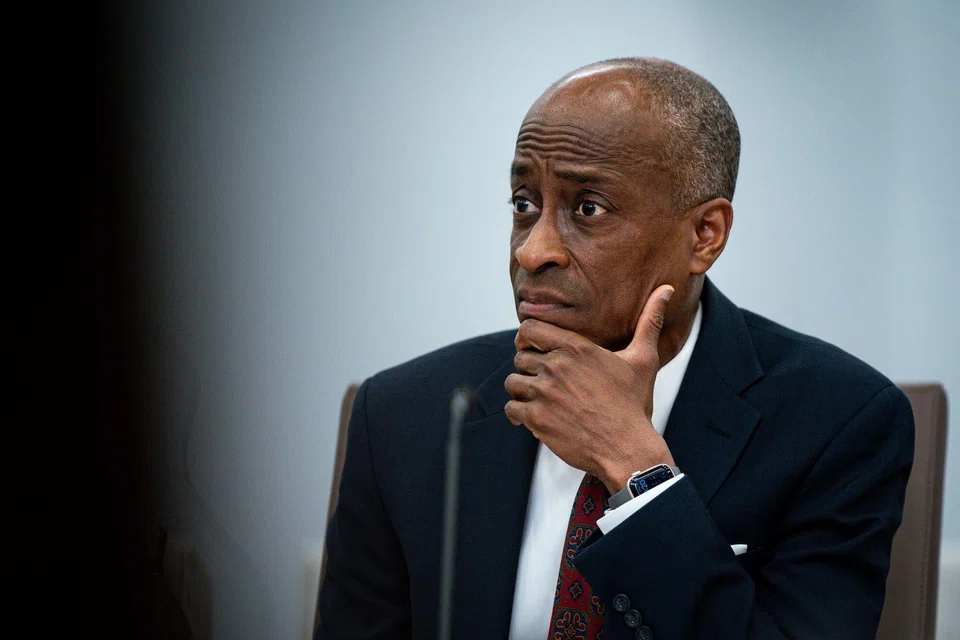
FEDERAL Reserve Vice Chair Philip Jefferson on Thursday said he is keeping a watchful eye on higher energy prices, which, if sustained, could worsen inflation but also slow consumer and business spending, creating a challenging situation for a central bank tasked with price stability and full employment.
For now, though, Fed policy is “appropriately positioned,” he said in remarks prepared for delivery to an event at the Dallas Fed.
“The current policy stance should continue to support the labour market while allowing inflation to resume its decline toward our 2 per cent target as the effects of tariff pass-through are completed,” Jefferson said.
The labour market is roughly in balance, he said, and he expects the unemployment rate to remain near its current 4.4 per cent level for the rest of the year.
Even so, the labour market remains susceptible to adverse shocks because employers are hiring at very low rates, and risks to his forecast “are skewed to the downside,” he said.
Meanwhile, he said, he has expected stalled-out progress on inflation to resume as the effect of last year’s higher tariffs passes through the economy.
Deregulation and productivity growth should also help ease inflation, he said. “Ongoing trade policy uncertainty and geopolitical tensions, however, pose upside risk to my inflation forecast,” he said. “At least in the short term I expect overall inflation to move higher, reflecting a rise in energy prices stemming from the conflict in the Middle East.”
And while the effect of a short-term rise in energy prices will last only a quarter or two, he said, sustained higher oil prices could have a more material effect.
The Fed earlier this month held the policy rate steady in the range of 3.5 to 3.75 per cent, and Fed Chair Jerome Powell signalled there will not be a rate cut without more progress on inflation. Jefferson supported that decision.
SEE ALSO






Jefferson forecast the US economy to grow at around 2 per cent this year or slightly faster, helped by investment in artificial intelligence, federal deregulation and an uptick in business formation. But he also noted headwinds and uncertainty from the conflict in the Middle East. REUTERS
Decoding Asia newsletter: your guide to navigating Asia in a new global order. Sign up here to get Decoding Asia newsletter. Delivered to your inbox. Free.
Share with us your feedback on BT's products and services