

US rates have biggest 2 days since 1987, jolting global assets
 Add BT as a preferred source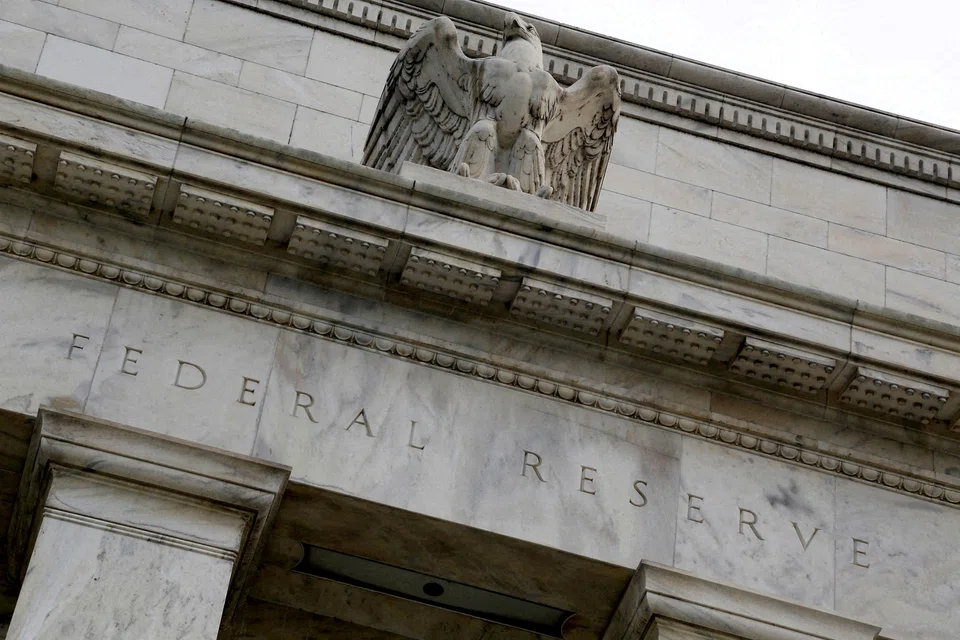
DeeperDive is a beta AI feature. Refer to full articles for the facts.
TREASURY yields posted their biggest 2-day jump in decades on Monday (Jun 13), roiling assets around the world in one of the strongest signs yet that the era of easy money is coming to an end.
Global markets blew through milestones that seemed far-fetched even a few days ago. Yields on 3-year US Treasuries soared, capping the biggest 2-day rise since 1987. The S&P 500 tumbled into a bear market, falling more than 20 per cent from its record close in January. The spread between Italian and German benchmark yields - a key gauge of risk in the euro area - grew to the widest since May 2020. And a gauge of the greenback rose to the highest since the onset of the coronavirus pandemic.
It all stemmed from a worse-than-expected US inflation report last week that underscored the stark choice before the Federal Reserve between fighting stubborn price pressures with aggressive interest-rate hikes and crash-landing the economy. That took on new weight Monday amid speculation that the Federal Reserve could raise rates by 75 basis points as soon as this week - prompting a widespread recalibration from Sydney to New York.
"There are many cross-currents," said Priya Misra, global head of rates strategy at TD Securities in New York. "The biggest issue is that central banks may be powerless to stop a recession and that is a tough message for markets to accept."
Money markets now see the Fed's key overnight rate peaking at 4 per cent by the middle of next year, and a 50 per cent chance of a three-quarter-point hike coming as soon as this week. Short-term US Treasury yields led the advance in the curve, with the 3-year jumping almost 25 basis points Monday to 3.49 per cent, the highest since 2007.
Meanwhile, a closely-watched part of the US yield curve inverted amid worries that tighter monetary policy could hinder growth in the world's largest economy.
Navigate Asia in
a new global order
Get the insights delivered to your inbox.
The day's moves became more extreme as the US afternoon wore on.
The S&P 500 plunged 3.9 per cent by the close as all 11 sectors finished in the red. At one point, every member of the S&P was falling and only 5 stocks recovered by the end of the day to notch gains.
Outside the US, a key index of equities from around the world slipped into a bear market and a gauge of volatility in global foreign-exchange markets surged to the highest level since 2020.
Almost all of the 31 major currencies tracked by Bloomberg weakened against the dollar as commodity-linked currencies from Norway, New Zealand and Australia - traditionally favoured when investors are optimistic on growth - led losses among Group-of-10 peers; oil prices wobbled and copper sank.
The British pound fell to a 2-year low against its US counterpart, after data showed the economy contracted unexpectedly and as traders await the Bank of England policy decision on Thursday. And elsewhere, the Brazilian real, the biggest laggard in the developing world on Monday, extended its longest losing streak since last July, weakening to the lowest level since mid-May.
The moves in foreign exchange almost universally favoured the dollar. Investors have chosen the US currency as the safe haven of choice in the recent bout of volatility, as the yen - another usual refuge in turbulent times - hovers near a 20-year low versus the greenback. The Bloomberg Dollar Spot Index has climbed almost 8 per cent so far this year.
"Right now we have a strong directional view," said Olga Yangol, head of emerging-market research and strategy at Credit Agricole CIB. "We talk about active currency selection more often than not, but now it's about getting the direction right. It's about other currencies versus the dollar." BLOOMBERG
Decoding Asia newsletter: your guide to navigating Asia in a new global order. Sign up here to get Decoding Asia newsletter. Delivered to your inbox. Free.
Share with us your feedback on BT's products and services
TRENDING NOW

Autobahn Rent A Car directors declared bankrupt over S$50 million each owed to DBS

Amazon’s MGM Studios gains creative control over ‘James Bond’ franchise

UOB’s Wee Ee Cheong says S$4.9 billion Citi deal ‘paying off’ as Asean push accelerates

In taxing wealth, how far can Singapore push property owners?

