

US$17 b loss puts Indian IPO among top Asia wealth losers
 Add BT as a preferred source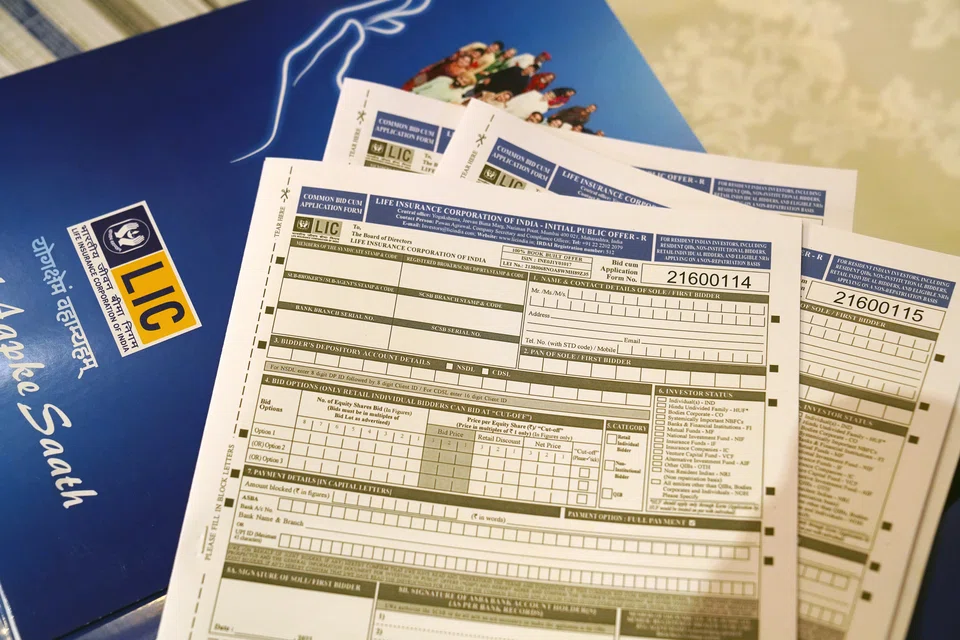
DeeperDive is a beta AI feature. Refer to full articles for the facts.
AN eye-popping US$17 billion wipeout in market value has made Life Insurance Corp (LIC) of India one of the biggest wealth destroyers among Asia’s initial public offerings (IPOs) this year.
Having plunged 29 per cent since its May 17 debut, India’s biggest IPO now ranks second in terms of market capitalisation loss since listing, according to data compiled by Bloomberg. The drop puts it just behind South Korea’s LG Energy Solution, which saw a more than 30 per cent peak-to-trough decline in its share price after an initial spike on debut.
Almost a month after listing, LIC’s US$2.7 billion IPO has turned out to be one of Asia’s biggest new stock flops this year, as rising interest rates and inflation levels globally hurt demand for share sales, and with India’s stock market facing unprecedented selling pressure by foreigners. The benchmark S&P BSE Sensex is down more than 9 per cent this year.
LIC’s shares are poised to fall for a 10th consecutive session, slipping as much as 5.6 per cent Monday (Jun 13) after a mandatory lock-up period for anchor investors ended on Friday. The rout has worried India’s government, with officials saying the company’s management will “look into all these aspects and will raise shareholders’ value”.
LIC’s long-delayed IPO was dubbed India’s “Aramco moment” — a reference to Gulf oil giant Saudi Arabian Oil Co’s US$29.4 billion listing in 2019, the world’s largest. It was part of Prime Minister Narendra Modi’s plans to expand the nation’s capital markets. The share sale, which was oversubscribed by nearly 3 times, was aimed at narrowing the government’s budget deficit after spending increased during the pandemic.
More pain could be ahead for the stock, given its lacklustre quarterly results, said Avinash Gorakshakar, head of research with discount brokerage Profitmart Securities. “The management’s communication with investors is confusing. They haven’t held an analyst call after the results,” he said. “So there is no clarity on how the company is planning to grow, what is going to be its strategy.” BLOOMBERG
Decoding Asia newsletter: your guide to navigating Asia in a new global order. Sign up here to get Decoding Asia newsletter. Delivered to your inbox. Free.
Copyright SPH Media. All rights reserved.
TRENDING NOW

Shelving S$5 billion office redevelopment plan proved ‘wise’ as geopolitical risks mount: OCBC chairman
OCBC is said to emerge as lead bidder for HSBC Indonesia assets
Middle East-linked energy supply shocks put Asean Power Grid back in focus

Eurokars Group introduces rental car franchises Enterprise Rent-A-Car, National Car Rental, and Alamo to Singapore

