

Venezuela loosens currency exchange controls to allow forex trading
 Add BT as a preferred source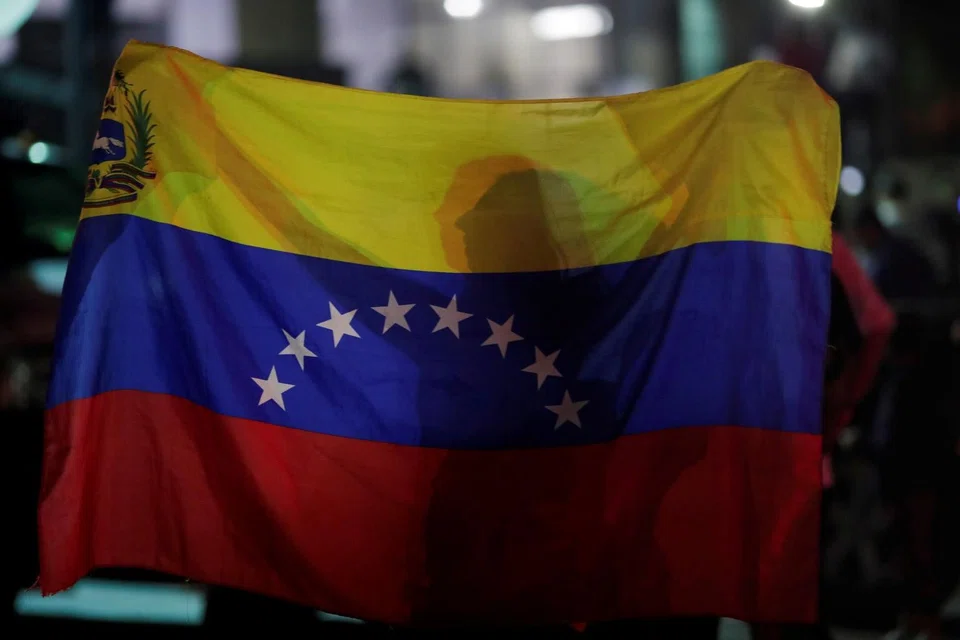
DeeperDive is a beta AI feature. Refer to full articles for the facts.
[CARACAS] Venezuela will allow local banks to open foreign currency trading platforms as part of a loosening of the Opec nation's exchange controls, according to a central bank resolution published on Tuesday.
President Nicolas Maduro, facing a hyperinflationary economic collapse and a relentless weakening in the bolivar currency, has repeatedly promised to overhaul the system. But numerous plans have floundered because the central bank did not supply enough currency to meet market demand.
Economists routinely identify the struggling country's exchange control system as a hindrance to possible recovery from the economic meltdown. But financial industry experts warned Tuesday's move does not eliminate the 16-year-old system of currency controls.
The resolution says financial institutions will be authorised to carry out "purchase and sale of foreign currency by individuals and businesses". The central bank did not specify when the so-called "exchange tables" would begin to operate.
The measure will reduce the central bank's involvement in private sector exchange operations. But the resolution notes that the central bank will retain the right to intervene in the market and will be the entity that publishes the official exchange rate, after receiving information from each bank.
Central bank data shows the monetary authority has sold just US$32 million through its Dicom foreign exchange system so far this year. Mr Maduro's government has provided less and less foreign exchange to be auctioned through the Dicom system since oil prices collapsed in 2014.
Navigate Asia in
a new global order
Get the insights delivered to your inbox.
The central bank stopped offering any foreign currency for sale through Dicom in the last week, after the United States slapped sanctions on the bank as part of its bid to pressure Mr Maduro to step down.
A slew of US sanctions on Venezuela since 2017 have made it ever-harder for local banks to move funds abroad, since foreign banks are hesitant to provide intermediary services.
Recently, the central bank began using piles of cash rather than electronic transfers to sell foreign exchange to local banks, a sign of how the nation's economy has become increasingly primitive.
REUTERS
Share with us your feedback on BT's products and services
TRENDING NOW
Singaporeans can now buy record amount of yen per Singdollar
Beijing’s calculated silence on the Iran war
China pips the US if Asean is forced to choose, but analysts warn against reading it like a sports result

StarHub hands Ensign InfoSecurity control back to Temasek in S$115 million deal, books S$200 million gain

