Warsh’s new challenge: Containing Fed hawks as inflation simmers
Trump has said he wants Warsh to act independently as Fed chair
 Add BT as a preferred source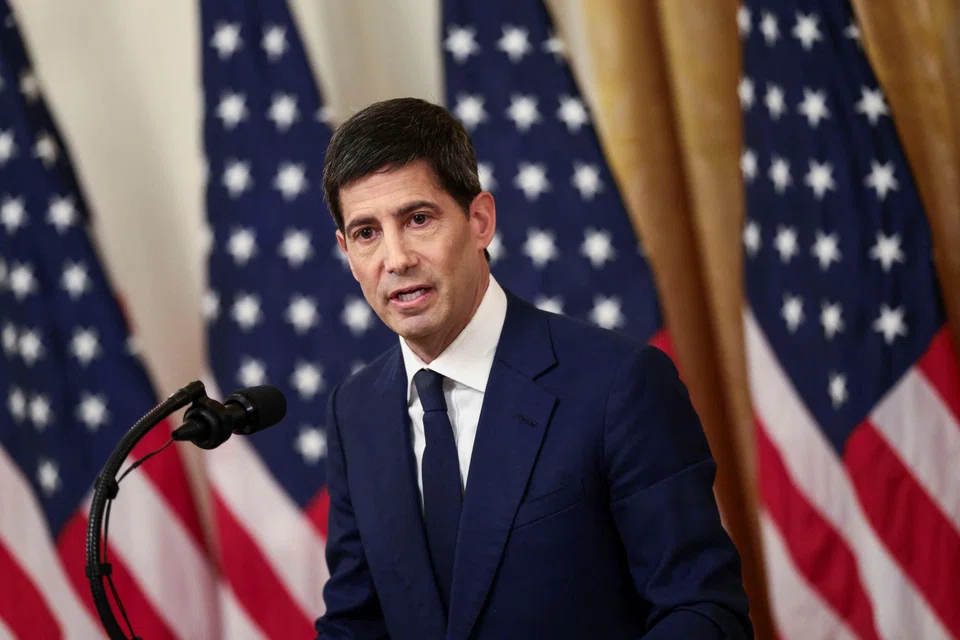
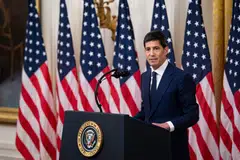
KEVIN Warsh won the race for Federal Reserve chairman partly by mapping out a route to lower interest rates. Now, the new Fed chief faces a starkly different dynamic: How to restrain a sudden shift in expectations for higher rates as fellow policymakers warn that inflation is back.
The challenge was laid bare on Thursday when new data showed the Fed’s preferred gauge of inflation rose 3.8 per cent in the 12 months through April. That’s the highest level since 2023, and almost two full percentage points above the central bank’s 2 per cent target.
Fed watchers say the window for a rate cut has already been shut by the energy shock triggered by the Iran war. That means simply holding rates where they stand may constitute a win for Warsh.
“There is no appetite for cuts,” said Stephanie Roth, chief economist at Wolfe Research. “Warsh has to be able to get markets to price out the hikes that they have put in place — that is the biggest challenge for him this year.”
How Warsh steers the narrative around rates over coming months could set the tone for his leadership and shape his ability to convince outsiders that he’s protecting the Fed’s independence.
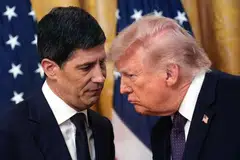
While President Donald Trump has said he wants Warsh to act independently as Fed chair, political pressure to bring rates down isn’t far from the surface.
Just hours after hosting Warsh’s swearing-in last week, Trump said he expected rates would come down “very quickly.”
Shifting expectations
The shift in the expected rate path comes as energy costs are forecast to remain high for months, even if the Iran conflict ends. Surging investment into artificial intelligence is stoking broader inflationary pressures, too.

All that has prompted a string of Fed officials in recent weeks to warn the central bank can no longer signal that rate cuts are still likely to be their next move. Instead, they prefer to flag the risk of policy tightening — a dramatic reversal from the start of the year when officials projected additional easing in 2026.
To be clear, the warnings don’t mean officials are intent on raising rates any time soon. An end to the conflict in the Middle East would allow policymakers time to assess its impact, while a labour market that remains locked in a cycle of low hiring and low firing weighs against the need for tighter policy.
“We think the bar for hiking rates is higher than the bar for cutting them, even before Kevin Warsh entered the building,” said Robert Sockin, chief US economist at PGIM.
Yet it’s already evident that inflation has entered a space that few expected at the year’s start.
The consumer price index in April rose by the most since 2023, prompting investors to reverse bets from rate cuts to rate hikes. Long-term inflation expectations have taken a hit too.
Looking ahead five to 10 years, consumers expect prices to rise an annualised 3.9 per cent, up from 3.5 per cent in April and the highest in seven months, according to the University of Michigan’s consumer survey for May.
“Rather than building a case for rate cuts, Warsh will now have to spend his energy fending off growing pressure to tighten policy, or at least hold, from colleagues and the public alike,” said Derek Tang, an economist at LH Meyer/Monetary Policy Analytics in Washington.
Juicing inflation
There are other reasons why policy may already be juicing inflation instead of cooling it.
Deutsche Bank chief US economist Matt Luzzetti warned the Fed may have lowered rates too much in 2024 and 2025, leaving policy too easy. This concern becomes more acute whenever inflation rises because that lifts the level at which policy is considered neutral — neither restricting nor stimulating the economy.
“If you do nothing, you’re easing,” said Fabio Natalucci, chief executive officer of the Andersen Institute for Finance & Economics, who previously worked at the Fed and the International Monetary Fund.
Most Fed officials consider current policy to be around neutral or still slightly above.
Tension inside the Fed could come to a head at the June policy meeting, when officials could drop the so-called easing bias from their policy statement. They will also submit new projections, which could include higher forecasts for inflation and, at the least, push back the expected timetable for future rate cuts.
One especially notable example: Fed Governor Christopher Waller, who pushed hard for rate cuts in 2024 and 2025, now supports making clear the next interest-rate move is just as likely to be an increase as a cut.
“The reality is inflation has gotten sticky,” said Diane Swonk, chief economist at KPMG. “Warsh is walking into a shift in the narrative.” BLOOMBERG
Decoding Asia newsletter: your guide to navigating Asia in a new global order. Sign up here to get Decoding Asia newsletter. Delivered to your inbox. Free.
Share with us your feedback on BT's products and services