Wirecard faces questions in Indian suit over unit purchase
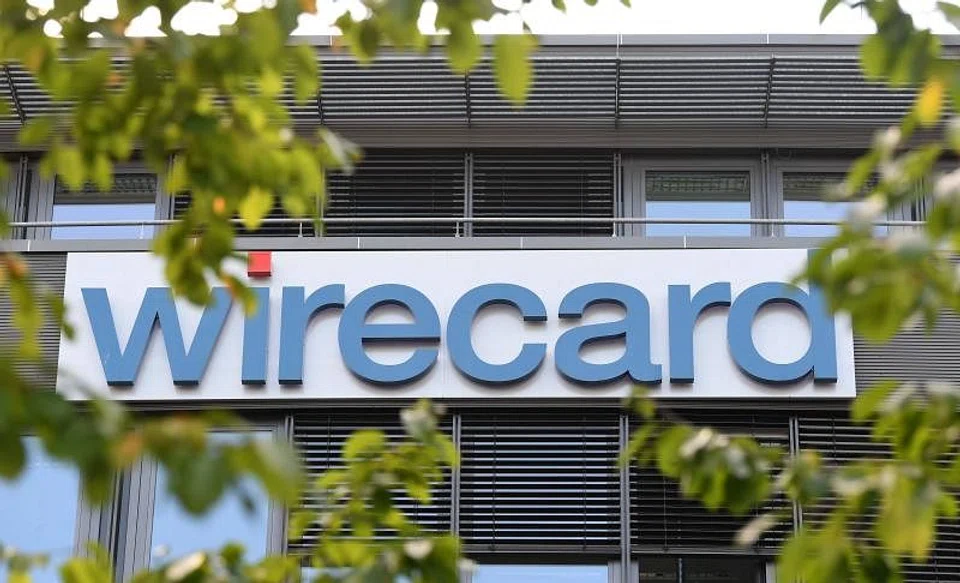
[LONDON] Wirecard AG, the German online payments company dogged by an accounting scandal, faces new questions in a lawsuit about how much it paid for an Indian subsidiary.
The former owners of Hermes I-Tickets, a company Wirecard bought in 2015, are suing the German company over allegations it made false claims about how much it paid to them at the time, according to a lawsuit filed in Chennai, India. GI Retail Pvt Ltd is asking Wirecard to clarify details of the transaction.
The lawsuit is the latest headache for Wirecard, which has been buffeted by a series of reports in the Financial Times about alleged accounting issues at its Singapore operations. Hermes is also being investigated by the Singapore police as part of the wider probe into potential wrongdoing at the German company's Asian division. A Wirecard investigation found some of its Singapore employees may be criminally liable.
In the transaction at the centre of the Indian lawsuit, Wirecard announced in October 2015 it agreed to pay up to 340 million euros (S$516.5 million) to GI Retail to acquire its payment businesses. Wirecard bought Hermes, which specialized in selling travel tickets, for 216 million euros upfront with an option to pay a further 110 million euros.
GI Retail claims in the lawsuit, however, that it was paid a fraction of that in a deal with a Mauritius-based fund called Emerging Markets Investment Fund 1A.
GI Retail's owners, brothers Ramu and Palaniyapan Ramasamy, declined to comment on the lawsuit. EMIF didn't respond to calls and emails seeking comment.
FROZEN ASSETS
The Ramasamys have been sued over the Wirecard deal in London by Hermes' minority shareholders who say their payout should be based on the higher price announced by Wirecard. The shareholders say in their lawsuit that their compensation was based on a purchase price of US$40 million.
The Hermes investors obtained an order from the court to freeze Ramasamy's assets last year.
A spokesman for Wirecard said that the case stems from the "dispute between previous shareholders" at GI Retail.
"Based on our preliminary review of the filing we firmly believe the case has no merit and has been filed in order to substantiate the plaintiff's case in their defense against their former partners," Wirecard said in a statement.
The Chennai case shifts the focus to Wirecard and EMIF, the fund that owned Hermes for less than a month in 2015. Concerns have been raised in past years over the Indian business, including by equity analysts at Morgan Stanley.
A court in Chennai temporarily banned any sale of shares in Hermes and Goomo, another Indian company owned by EMIF, on March 19, according to a separate court filing seen by Bloomberg. The trial was adjourned to April 23, a judge said on Tuesday.
BLOOMBERG
Share with us your feedback on BT's products and services