Wirecard probe set to put Germany finance watchdogs under the spotlight
 Add BT as a preferred source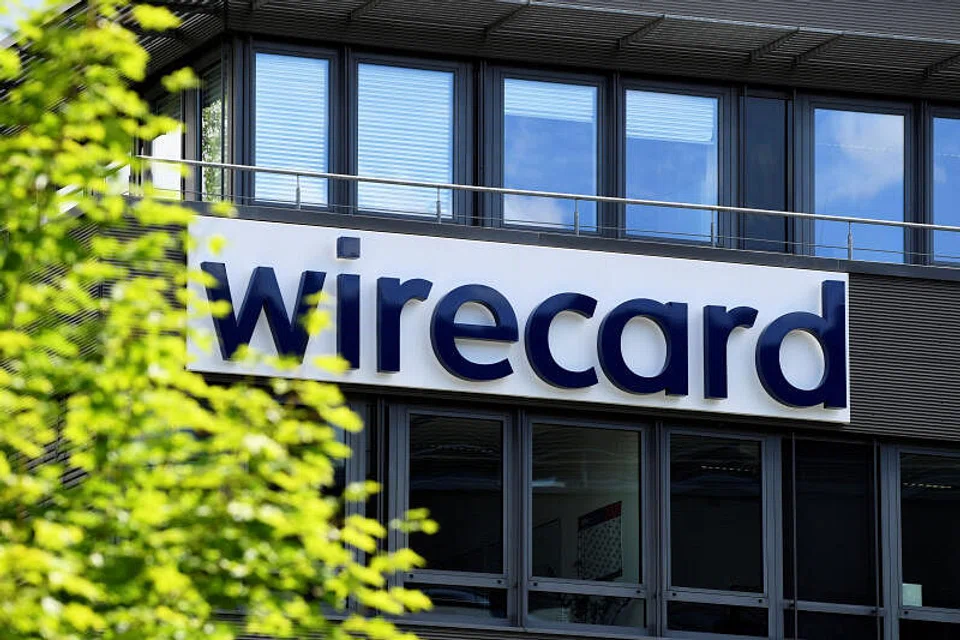
DeeperDive is a beta AI feature. Refer to full articles for the facts.
[BERLIN] Germany's financial watchdogs are front and centre on the second day of a parliamentary hearing into the spectacular collapse of Wirecard as their inability to uncover the country's biggest corporate fraud in living memory makes a deeper investigation more likely.
Lawmakers in Berlin set the scene for their questioning of the head of financial market regulator BaFin and the Bundesbank's top banking watchdog by calling out failures of a wide range of authorities in the country. Meanwhile, a key opposition party signalled it may provide the support needed to start a full parliamentary probe as Germany gears up for elections next year.
Wirecard's crash from rising star to national disgrace has undermined the country's reputation as a reliable place to do business and delivered a major blow to its fragile base of retail investors. While the government is taking action to prevent a repeat, authorities have struggled to dispel the impression that they were more focused on protecting Wirecard than investigating allegations of wrongdoing.
"Nobody is taking responsibility for Wirecard," Florian Toncar, a lawmaker for the opposition Free Democrats, told reporters in Berlin before the hearing on Tuesday. "As long as that's the case, we demand a deeper investigation." There's an extremely high chance that such a probe will take place, according to Lisa Paus, a member of the opposition Greens party. "There will need to be a miracle" for that not to be the case, she said in an interview with ZDF television.
BIGGEST CRITICISM
The main criticism levelled at BaFin has been that it didn't classify Wirecard as a financial company, which would have subjected it to strict scrutiny by the watchdog, which only directly oversees banks and insurers.
Navigate Asia in
a new global order
Get the insights delivered to your inbox.
BaFin has sought to defend itself by saying that reclassifying Wirecard wouldn't have helped much in unearthing the fraud because it would have still relied on the company's audited accounts. Still, lawmakers may ask BaFin president Felix Hufeld why his institution's probes of Wirecard's banking unit failed to point to problems at the wider company.
Mr Hufeld had a rocky time after an earlier hearing in July - Finance Minister Olaf Scholz and Economy Minister Peter Altmaier were also called to testify - and will probably be focused on getting the facts across more clearly while defending BaFin's actions.
The Bundesbank, whose role was largely limited to supporting BaFin in its oversight, was drawn deeper into the scandal with the disclosure this month that former Wirecard chief executive officer Markus Braun met with a senior official at Germany's central bank last year. While it isn't clear what was discussed, the meeting shows Wirecard's connections to the country's top decision makers.
Mr Toncar also added Munich prosecutors to the list of institutions bearing some blame for the mess at Wirecard, saying they terminated a probe in 2019 into potential money laundering involving the company.
That sentiment was echoed by Fabio de Masi, a member of the opposition Left party, "We have to ask what went on at the prosecutor's office," he said. "They shut the situation down."
BLOOMBERG
Decoding Asia newsletter: your guide to navigating Asia in a new global order. Sign up here to get Decoding Asia newsletter. Delivered to your inbox. Free.
Share with us your feedback on BT's products and services