World Bank chief aims to boost lending ability
 Add BT as a preferred source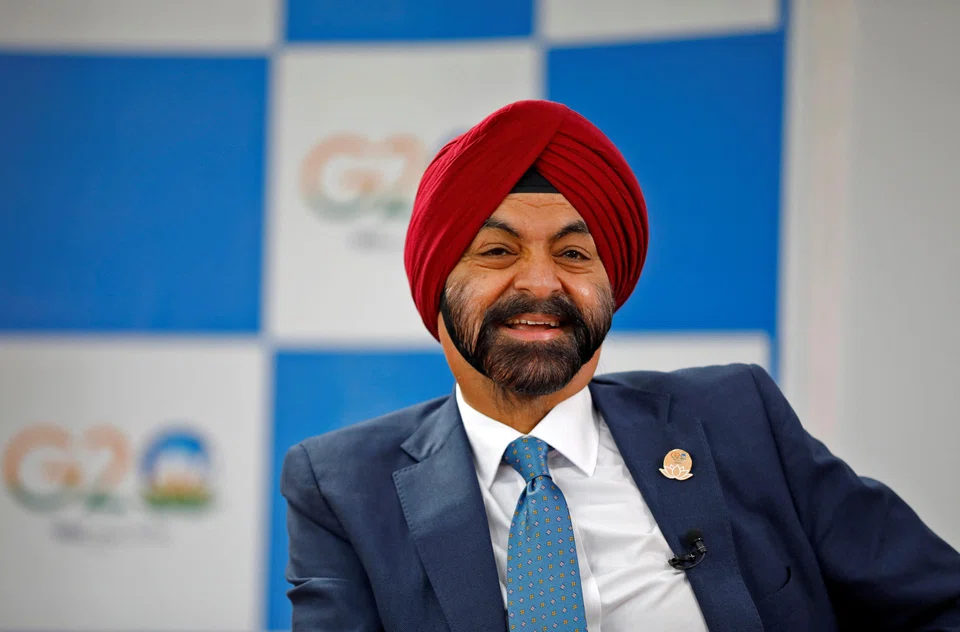
DeeperDive is a beta AI feature. Refer to full articles for the facts.
THE Group of 20 (G20) finance ministers and central bank governors concluded a two-day gathering on Tuesday (Jul 18), with participants haggling over debt relief for stressed developing nations and how to reform multilateral development banks and encourage sustainable finance.
Policymakers said on Monday that talks on building on a recent debt-restructuring framework for Zambia by securing deals for other nations were moving slowly. It is also unclear whether the group will be able to coalesce around a joint communique, or at least a statement on the discussions by the confab’s chair.
India is hosting the talks, as rotating head of the G20 this year, and the finance chiefs are gathered in Gandhinagar, capital of Prime Minister Narendra Modi’s home state of Gujarat.
With no major breakthroughs anticipated at the meetings, outside advisers and the heads of international financial organisations were calling for more concerted action. The World Bank on Tuesday proposed new financing measures that would help leverage its balance sheet.
World Bank president Ajay Banga said his bank is aiming to ramp up its lending capacity while maintaining a top “AAA” credit rating.
“We are building a better bank, but eventually we will need a bigger bank,” Banga said in prepared remarks to the G20 finance chiefs on Tuesday. “I am proud to announce the progress we have already made to stretch every dollar, while preserving our ‘AAA’ credit rating.”
Navigate Asia in
a new global order
Get the insights delivered to your inbox.
The lender unveiled three new mechanisms which it said would boost its lending capacity. One is a proposed “portfolio guarantee programme” where shareholders of the World Bank will step in if countries cannot repay their loans. The bank said in a statement that US$5 in guarantees could generate US$30 billion in lending over 10 years.
The second step is “raising hybrid capital from shareholders and other development partners”. This will give “shareholders and partners an opportunity to invest in bonds with special leveraging potential”, the bank said. Just US$1billion could increase the World Bank’s lending capacity by US$6 billion over a decade, it said.
The third mechanism is “extracting more value from callable capital”. This is “a commitment from our shareholders to step in with new funds” in extreme circumstances, the bank said.

To meet the needs of poverty reduction, climate-change mitigation and sustainable infrastructure development, some US$3 trillion of financing per year will be needed by 2030, an advisory paper requested by the G20 indicated.
“The window for action is closing fast,” a panel of economists headed by former US treasury secretary Lawrence Summers and NK Singh wrote in their presentation to the G20. “The choices made now will determine prospects for growth, sustainability and inclusion for decades to come.”
It is important that multilateral development lenders leverage their balance sheets and mobilise private-sector capital, the report said. Sustainable development goals are “badly off-track” and there is an intense urgency to address problems of climate change, the panel said.
“The international development finance system should be designed to support this spending by providing US$500 billion in additional external financing by 2030,” the panel said. One third of that should be in so-called concessional financing, which is ultra-low interest lending, while two-thirds should be non-concessional official funding, the group said. BLOOMBERG
Decoding Asia newsletter: your guide to navigating Asia in a new global order. Sign up here to get Decoding Asia newsletter. Delivered to your inbox. Free.
Share with us your feedback on BT's products and services