Xi sends warning to investors with delayed Huarong lifeline
 Add BT as a preferred source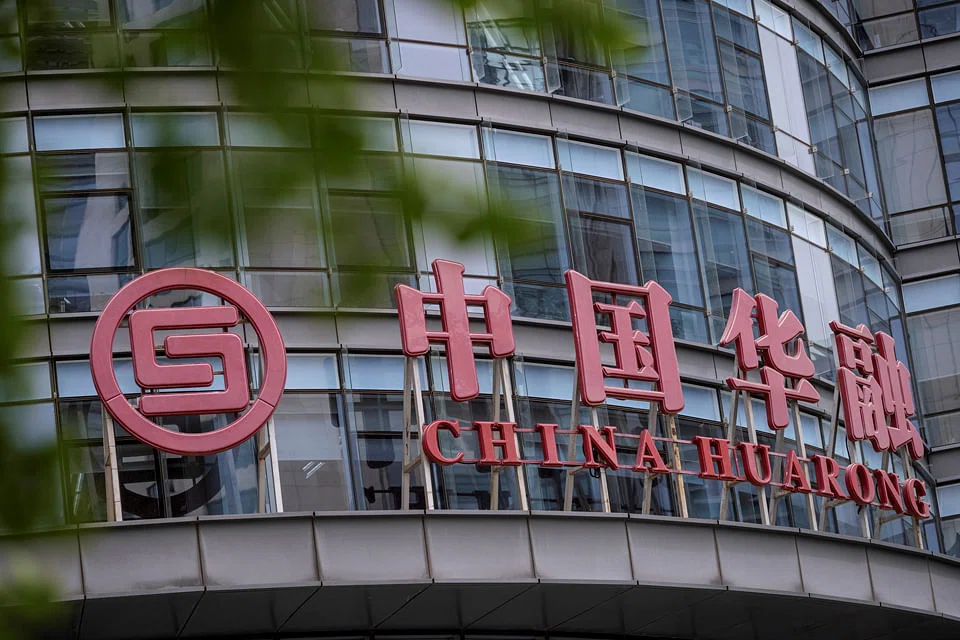
DeeperDive is a beta AI feature. Refer to full articles for the facts.
Bengaluru
CHINA Huarong Asset Management Co ultimately proved too big to fail, but its protracted bailout process shows Beijing's determination to punish creditors who ignore risks in heavily indebted companies.
The almost five-month saga triggered some of the most extreme swings ever for an investment-grade Chinese bond issuer, changing the way even seasoned money managers evaluate the nation's US$12 trillion credit market.
While some Huarong bonds rallied to 97 cents on the US dollar after the company unveiled a recapitalisation by state-backed investors late on Wednesday, the rescue came too late for many bondholders who sold at heavy losses earlier this year.
For President Xi Jinping's government, there's a lot to like about a Huarong resolution that introduces more market discipline without the need for a messy default that could stoke broad financial contagion. The risk is that this muddle-through strategy - and Beijing's opaque approach to dealing with troubled borrowers - drives away investors who want more clarity on the rules of the game in Chinese credit.
"There's clear desire from the government to impose more discipline in the system," said David Loevinger, sovereign analyst at TCW Group and former senior coordinator for China affairs at the US Treasury. "That said, Huarong is so big and so interconnected with the financial system. Investors are still struggling to figure out where is the line, and who is on the safe side of the line."
Navigate Asia in
a new global order
Get the insights delivered to your inbox.
Huarong's capital will be replenished by state-owned investors including Citic Group, China Insurance Investment and China Life Asset Management, the nation's biggest bad-loan manager said in an exchange filing on Wednesday. The unspecified amount of funds will help Huarong continue to operate and meet a minimum regulatory capital requirement. Huarong assured investors it has no plan to restructure its debt, while announcing a record US$15.9 billion loss for 2020.
The statement confirmed a Bloomberg report that Huarong was poised to receive fresh capital as part of an overhaul plan, according to sources, who put the amount being discussed at about 50 billion yuan (S$10.5 billion). Control of the company would shift to Citic, the people had said.
For the more speculative funds with a high tolerance for risk, Huarong bonds may have been the trade of a lifetime. But the volatility made the notes toxic to many of Huarong's core investors, who had counted on a quick resolution for the quasi-sovereign issuer.
"Just because the government has ultimately decided to bailout Huarong, it doesn't mean the damage hasn't been done," said Jim Veneau, head of fixed income Asia at AXA Investment Managers. "There are economic losses and someone is bearing them. If that support were to be forthcoming, it should have been much earlier."
The Communist Party has long put a premium on financial stability, but it also increasingly wants to improve the pricing of risk in credit markets and wean investors off the assumption that overextended companies will always be bailed out. President Xi said this week China must prevent causing follow-on risks in the process of defusing financial risks. The nation also needs to pursue "common prosperity", in which wealth is shared by all people.
Huarong's bailout falls somewhere in the middle. It addresses moral hazard by penalising some long-term investors who failed to assess the risks involved in lending to Huarong. But at the same time, the rescue shows that implicit guarantees still exist, depending on the company.
With about US$21 billion in outstanding offshore bonds, Huarong is one of the bigger issuers in China's investment-grade market.
Existing Huarong shareholders will likely see the value of their stakes plunge as the company recognises losses on non-performing assets, two people familiar with the plan said. Warburg Pincus and Goldman Sachs Group are among a group of investors that bought a US$2.4 billion stake in Huarong before it went public in 2015. Huarong shares remain suspended in Hong Kong.
Huarong has so far repaid all its bonds on time and said last month it would redeem a US$500 million perpetual note in September, helping to boost market confidence.
The company has also reached agreements with state-owned banks to ensure it can meet obligations through at least the end of August, Bloomberg reported in May.
If the potential strategic investment is implemented, it will replenish Huarong's capital, consolidate its foundation for sustainable operations, and ensure it meets regulatory requirements, the firm said on Wednesday. BLOOMBERG
Decoding Asia newsletter: your guide to navigating Asia in a new global order. Sign up here to get Decoding Asia newsletter. Delivered to your inbox. Free.
Share with us your feedback on BT's products and services