

Yellen cautions emerging markets facing volatile capital flows
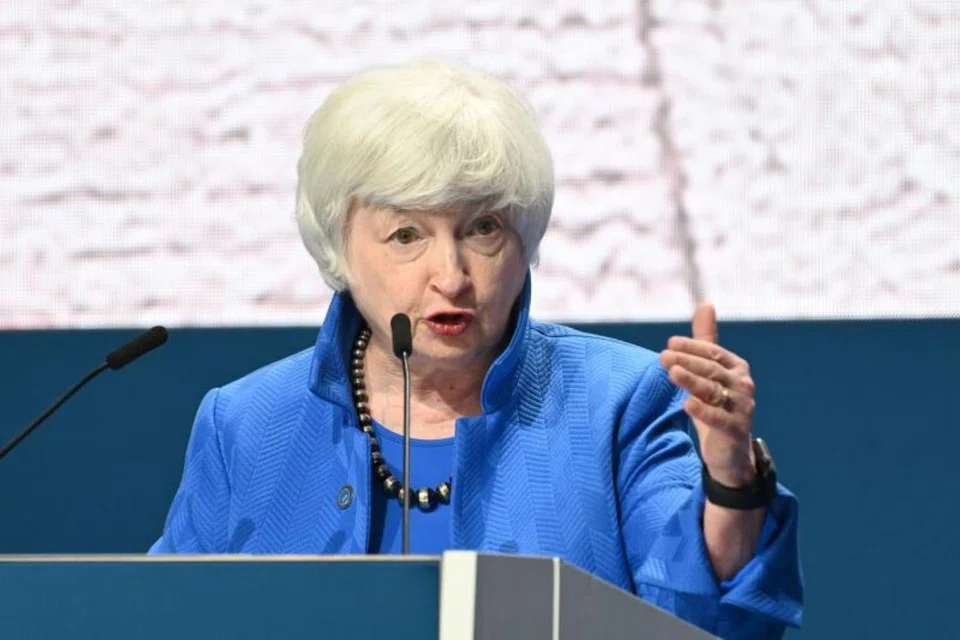
US TREASURY Secretary Janet Yellen urged emerging market countries to consult with the International Monetary Fund when considering capital controls and currency interventions, even as she expressed sympathy for nations wrestling with volatile capital flows.
“Emerging markets and low-income countries may, in some circumstances, benefit from capital flow management, and foreign exchange intervention alongside monetary, fiscal and macro-prudential policies,” Yellen said on Friday (Jul 15) during a gathering of finance ministers from Group of 20 countries in Bali, Indonesia.
“However, a remaining key challenge is to identify in real time when these circumstances arise or when, instead, more structural policies should be prioritized,” she said.
The Treasury chief acknowledged that many small and open economies are now being buffeted by a range of forces, including the war in Ukraine and monetary policy tightening in the US, that are pushing up prices and depreciating their currencies. That is proving especially harmful to countries carrying significant amounts of dollar-denominated debt.
“The economic impact of the war is further exacerbating inflation, harming government fiscal positions and exacerbating volatility in capital flows while many countries are still recovering from Covid-19,” she said. “Accordingly, we all have to revisit our approach to macroeconomic policy.”
Yellen encouraged countries to turn for guidance to the IMF’s so-called Integrated Policy Framework. The IPF was developed by IMF economists in recent years to offer tailored advice as opposed to a uniform policy prescription.
“Country-specific circumstances help shine a light on the proper underlying macroeconomic policies and the appropriate complementary policy tools,” Yellen said. “But clear guidance on when these policies are not appropriate remains equally important.”
Yellen also reflected on lessons learned from the past two financial crises. Among those, she said it’s critical for policy makers to be ready for shocks with a “playbook of policy responses” that can minimise the length and depth of recessions.
As an example, she pointed to rapid policy responses in many developed countries at the outset of the Covid-19 pandemic.
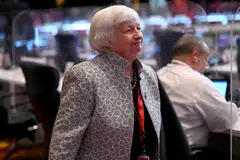
“The lessons learned from past shocks enabled us to respond quickly and aggressively,” she said. “The impact on the global economy was severe, but less severe than it otherwise would have been.” BLOOMBERG
Decoding Asia newsletter: your guide to navigating Asia in a new global order. Sign up here to get Decoding Asia newsletter. Delivered to your inbox. Free.
Share with us your feedback on BT's products and services
TRENDING NOW

Knight Frank’s Tan Tee Khoon leaves firm, Nicholas Keong takes over auction business
Keppel Energy, Sembcorp Utilities and Tuas Power to supply biomethane in pilot project

GovTech retrenches another 38 staff in second round of layoffs
Take-up of new private homes dives 45% in Q3 as prices accelerate with 1.4% rise

