

Yen cedes knee-jerk gains after Abe shooting, euro-dollar hovers near parity
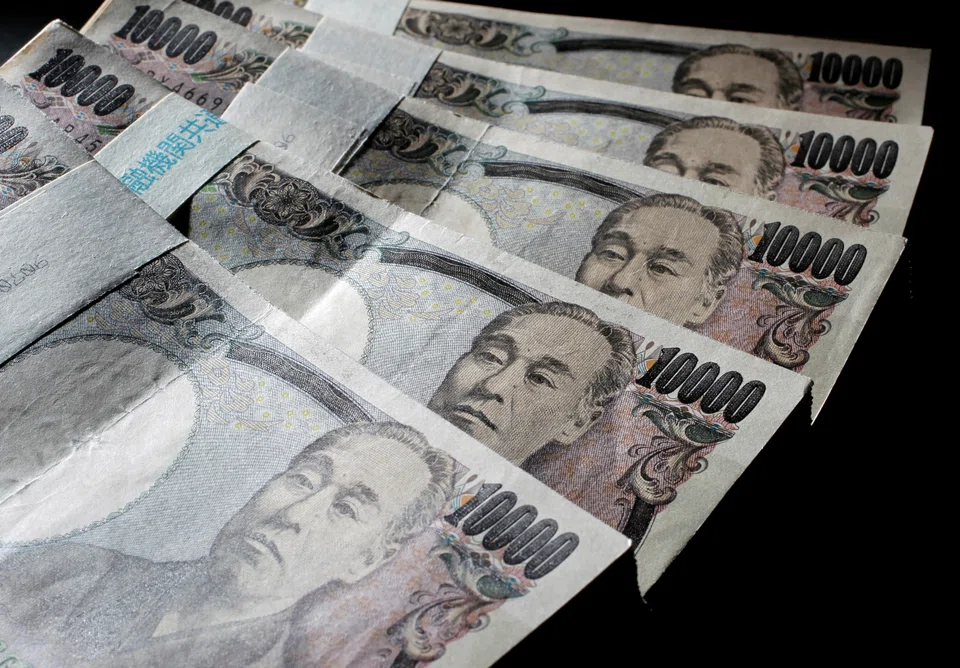
SAFE-HAVEN demand briefly lifted the yen on Friday after former Japanese prime minister Shinzo Abe was shot while campaigning for a parliamentary election, while the dollar’s continued strength kept the euro hovering just above parity.
The single currency has hit successive 20-year low this week on signs the euro zone economy will tip into recession, but it rose off earlier session lows as markets adjusted some bets ahead of monthly US jobs data.
Abe, Japan’s longest-serving leader, died on Friday after being shot as he spoke in the western city of Nara.
The yen rose as much as 0.5 per cent immediately after the news of the shooting but later ceded most of those gains and by 1047 GMT, it was up 0.1 per cent at 135.89.
While Abe was renowned for his signature “Abenomics” policy featuring bold monetary easing and fiscal spending, analysts played down the impact of the shooting on markets.
“It’s a risk-off environment so the yen is performing better. It’s incredibly sad news but it seems like an isolated event and also we are talking about a former politician here,” said ING Bank strategist Francesco Pesole.
Focus stayed on the euro which is down around 3 per cent against the dollar this week as investors worry about the economic impact of an energy crisis brought on by the uncertainty of gas supply from Russia.
The single currency fell 0.8 per cent to a fresh two-decade trough against the dollar of US$1.00720 at 0744 GMT. It then recouped some losses and was last down 0.2 per cent to US$1.01430.
The US dollar index meanwhile surged to new two-decade highs of 107.790, and last stood 0.2 per cent firmer against a basket of currencies at 107.220.
“Chances of euro dollar hitting parity are non-negligible either today or in coming days,” said Pesole.
“The general dollar momentum remains strong and concerns about euro zone economic outlook is feeding into concerns the ECB can deliver as much tightening as markets are pricing”.
The European Central Bank is preparing to kick off rate hikes this month but will still lag the policy tightening pace of the Federal Reserve and most other central banks.
After a first 25-basis point rate hike this month, a larger increase may be warranted in September, ECB governing council member Ignazio Visco said.
Sterling was set for a second consecutive weekly decline against the dollar, but its 0.9 per cent fall this week is relatively modest amid political chaos that has seen Prime Minister Boris Johnson resign. The pound was down 0.3 per cent on the day to US$1.1989.
As energy prices take the wind out of confidence and growth in Europe, investors are growing concerned about the US economy, even though recent data has beaten forecasts. REUTERS
Decoding Asia newsletter: your guide to navigating Asia in a new global order. Sign up here to get Decoding Asia newsletter. Delivered to your inbox. Free.
Share with us your feedback on BT's products and services
TRENDING NOW

Knight Frank’s Tan Tee Khoon leaves firm, Nicholas Keong takes over auction business

Keppel Energy, Sembcorp Utilities and Tuas Power to supply biomethane in pilot project

GovTech retrenches another 38 staff in second round of layoffs

Take-up of new private homes dives 45% in Q3 as prices accelerate with 1.4% rise

