Yen set for biggest run of gains in 2 years before Pelosi visit
 Add BT as a preferred source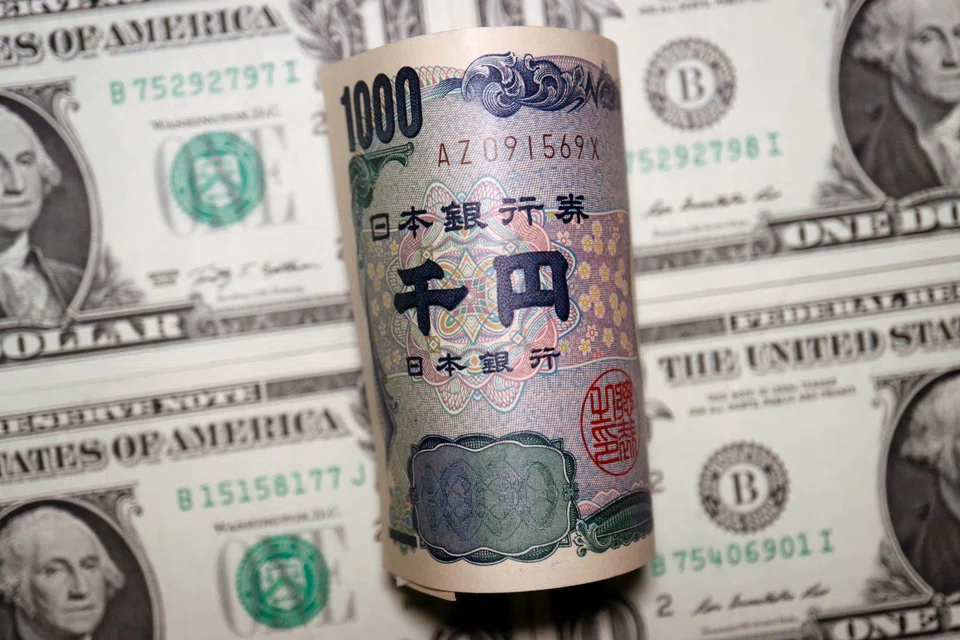
THE yen (JPY) was on track for its biggest run of gains since the depths of the coronavirus crisis in March 2020, as rising US-China tensions over Taiwan and deepening worries about a global economic slowdown boosted the appeal of safe-haven assets.
The US dollar struggled broadly, extending a tough few trading sessions since the Federal Reserve raised interest rates last week amid signs that the US economy is cooling, with policymakers hinting at a slower pace of rate hikes in future.
Against the US dollar, the Japanese currency was on track for a fifth consecutive session of gains on Tuesday (Aug 2), taking its cumulative increase to nearly 4.5 per cent in 5 trading sessions.
In London trading, the currency was up 0.6 per cent at 130.78 yen, just below a high of 130.40 yen, a level last seen in early June.
"With the yen already enjoying a mini revival on the back of narrowing yield spreads with Japanese government bonds, it is the clear winner from today's risk-off episode, while the US dollar is barely ticking higher against a basket of currencies," said Raffi Boyadijian, investment analyst at XM.
Jitters about the impact of an impending visit to Taiwan by US House of Representatives Speaker Nancy Pelosi weighed on stocks and sent investors scurrying into US Treasuries.
The benchmark 10-year Treasury yield fell to 2.516 per cent, its lowest since April, further narrowing the gap between 10-year US debt and equivalent Japanese bonds to 236 basis points (bps), the lowest since early April.
The US economy shrank for a second straight quarter, data released last week showed, intensifying a debate over whether the country is, or will soon be, in recession, with traders keenly watching for US jobs data on Friday.
"US data releases and the reaction in US yields through the end of this week will be critical as JPY momentum has built a considerable head of steam here," said John Hardy, head of FX strategy at Saxo Bank.
Interest rate markets implied by Fed fund futures show US interest rates are set to peak in February 2023 at around 3.25 per cent. That compares with a peak rate pricing of more than 4 per cent in mid 2023 in early June, according to Refinitiv data.
The Australian dollar fell nearly 1.5 per cent after the Reserve Bank of Australia raised rates by 50 bps to 1.85 per cent, in line with expectations.
The bank said that even though more tightening was expected, it was not on a pre-set path, which some investors interpreted as meaning future policy tightening may not be as aggressive.
China's offshore yuan touched 6.7957 per US dollar, its weakest since mid-May. Some analysts attributed this partly to tensions around Pelosi's visit, as well as poor economic data from China over the weekend.
The US dollar index, which measures the greenback against 6 peers, rose 0.3 per cent to 105.65. REUTERS
Decoding Asia newsletter: your guide to navigating Asia in a new global order. Sign up here to get Decoding Asia newsletter. Delivered to your inbox. Free.
Share with us your feedback on BT's products and services