

Yield for latest Singapore Treasury bill falls to 3.9% as more go for competitive bids
Auction attracts S$11.9 billion in applications

Tay Peck Gek
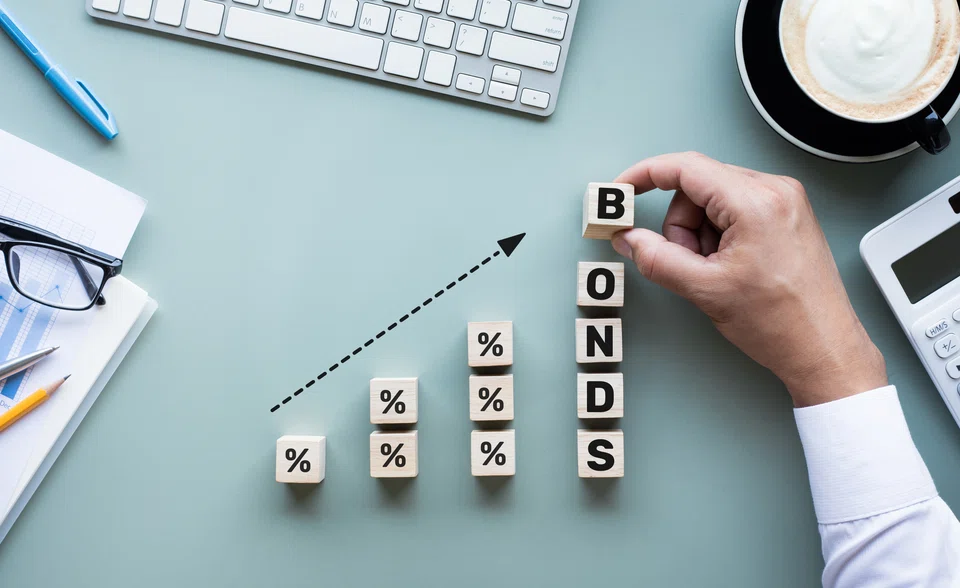
AS THE proportion of non-competitive applications shifted in favour of competitive bids with a specified yield, the cut-off yield on the latest Singapore six-month Treasury bill (T-bill) fell to 3.9 per cent on Thursday (Nov 24), from 4 per cent a fortnight ago.
The risk-free, fixed-income product by the Singapore government was 2.5 times subscribed for the S$4.8 billion allotment – the highest in the year to date for T-bills of this tenor.
However, the value of non-competitive applications stood at S$2.4 billion, or 50.8 per cent of the total allotment. The S$2.4 billion value was also lower than the S$3.6 billion (80.5 per cent of the total allotment) recorded in the last auction.
The total value of applications amounted to S$11.9 billion for the latest auction, down from a record high of S$14.2 billion in the auction a fortnight ago.
Still, the non-competitive applications in the latest auction exceeded the 40 per cent allotment value set aside for bids that did not specify a yield. Therefore, only 77.78 per cent of the applications received their allotment.
Those who submitted bids at the cut-off yield of 3.9 per cent were allotted only 7 per cent of what they applied for. Those who specified a lower yield were fully allotted, whereas those who specified a higher yield went away empty-handed.
DBS senior rates strategist Eugene Leow said in a recent report that as only half the non-competitive bids received allotments in the last auction, there might be a shift towards competitive bids, which could well pull down T-bill cut-off yields in subsequent auctions.
The Monetary Authority of Singapore put up a notice on Thursday to announce a delay in the release of the auction results as it was swamped by the volume of applications. It did not disclose the number of bids received when the auction results were published slightly later than usual.
In a non-competitive bid for T-bills, the investor specifies only the amount to invest and accepts the cut-off yield. Investors who would want to invest only if the yield is above a certain level submit competitive bids.
Up to 40 per cent of the total issuance amount will be allotted to non-competitive bids first. If the amount of non-competitive bids exceeds 40 per cent, the bond will be allocated to non-competitive investors on a pro-rated basis, with the balance of the issuance amount going to competitive bids, from the lowest to highest yields.
Treasury bills are issued at a discount, and investors get back the full face value at maturity. The bills can be purchased with cash, Supplementary Retirement Scheme funds or Central Provident Fund (CPF) monies, although investors who choose to use their CPF savings have to drop in personally at the branches of any of the trio of local banks.
Responding to a letter that appeared in the Forum section of The Straits Times, the CPF Board said that the banking trio are targeting to allow online applications for Singapore Government Securities (SGS) products, including Treasury Bills, using CPF funds, in the first quarter of 2023.
With yields from Treasury bills elevated, current account and savings account holders have deployed their funds to the risk-free bond, prompting banks to raise their interest rates; at least one of them has launched a fixed deposit for CPF funds.
TRENDING NOW

Temasek’s Wan Chee Foong to helm PIL, Lars Kastrup to be board adviser
Chagee, Mixue and Luckin won the market. Sustaining their edge is the harder part

He built the Vingroup empire. Now South-east Asia’s richest man is handing some key roles to his sons
One-third of Singapore-listed firms at risk in severe AI downturn: MAS

