

Banks, consumer sectors likely to come out tops in Q4 earnings; cost pressures could surface

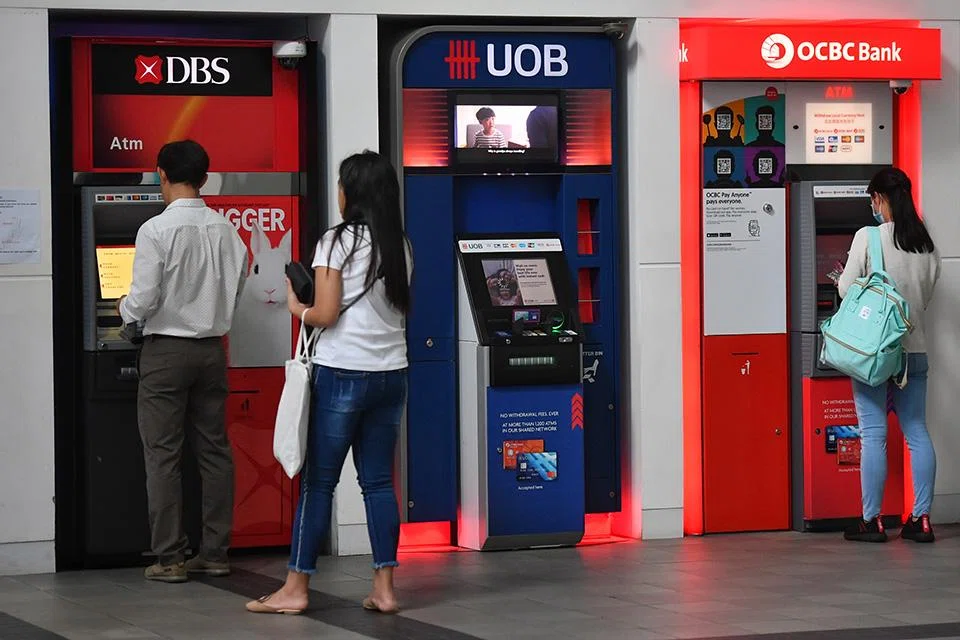
LOCAL companies that could deliver the best financial results for the fourth quarter of 2022 are those that have been able to capitalise on elevated interest rates and the reopening of economies around the world as the Covid-19 pandemic wanes, market watchers polled by The Business Times said.
With Singapore-listed companies set to report their latest quarterly results in the coming weeks, analysts believe banks could deliver solid earnings in the light of rising interest rates.
Thilan Wickramasinghe, head of equity research at Maybank Securities, said lenders will enjoy higher margins from elevated interest rates and a revival of wealth management income.
Phillip Securities analyst Terence Chua sounded a similar sentiment, noting that interest income should lift banks’ overall earnings as higher net interest margins “offset slower capital markets activity”.
“Higher rates this year have had a positive effect on the banks’ profitability, and while there are concerns over macro risks, we expect the overall provisions to remain in line with previous quarters,” Chua said.
Energy stocks could also benefit from higher energy prices and global energy demand, he added.
Observers noted that the easing of travel restrictions around the world could boost the earnings of certain sectors.
According to RHB analyst Shekhar Jaiswal, the consumer and transport sectors are likely to see higher demand as countries open up.
Phillip Securities’ Chua is expecting the travel and hospitality sectors to see “strong” Q4 reports, while Maybank’s Wickramasinghe said healthcare stocks could benefit from increased medical tourism and more elective procedures.
Hospitality real estate investment trusts (Reits) could also be buoyed by a revival of inbound travel and an increase in in-person events, the analysts said.
On the flipside, office and overseas Reits could disappoint on their quarterly earnings, said RHB’s Jaiswal. Issues that have already surfaced among Reits include high gearing levels and declining asset valuations, which means unitholders could face lower distributions.
The analysts also warned that the fallout in the US tech sector could spill over into stocks in the local manufacturing, tech and semiconductor industries.
Construction companies are also likely to see a drag with the ongoing six-month heightened safety period that was imposed by the Ministry of Manpower on Sep 1 last year, following a spate of work-related deaths and injuries.
This heightened safety period imposes penalties on companies that fail to comply with safety procedures at construction sites.
“We expect the review to slow work progress at sites in Q4. Having said that, we expect the robust demand for the construction sector to lift overall performance in H2 2023,” said Phillip Securities’ Chua.
Looking ahead, observers warned that investors here should prepare for an economic recession.
The way RHB’s Jaiswal sees it, 2023 could be divided into two halves.
He reckons markets will remain “difficult” in the first half due to concerns about inflation, interest rates and the looming recession. In the second half, however, such risks could become “better priced in the markets”, he said.
The reopening of China, he added, should also provide the necessary demand support to regional economies through an increase in tourist inflows.
For Q1 this year, RHB is recommending that investors have a balanced portfolio with exposure to banking stocks that are proxies for elevated interest rates and defensive earnings growth characteristics.
The research house also believes investors should buy into industrial Reits, or companies that have either resilient and defensive earnings and dividends, or exposure to China’s economic reopening.
Maybank’s Wickramasinghe said investors should pay close attention to how companies are preparing for slowing demand and their strategies to mitigate impacts to margins and sales.
“Balance sheet quality should also deserve special attention in terms of lower debt levels and more cash on hand,” he said.
“Higher funding costs are also a risk to margins. We will be watching closely for evidence of corporates’ ability to pass on higher costs and reprice selling prices upwards.”
TRENDING NOW

What role can Japan play in Asean’s future?

IOI Properties and CapitaLand Investment closer to acquiring One Raffles Place in joint bid

AI bubble may burst soon amid financing concentration, rising rates: Ray Dalio

OCBC sheds S$8 billion in value as shares close nearly 6% down; analysts cautious on banks

