Banks facing bond price-fixing trial agree to pay over US$400 million
Deal would end a long-running federal class-action suit that reached the doorstep of the US Supreme Court
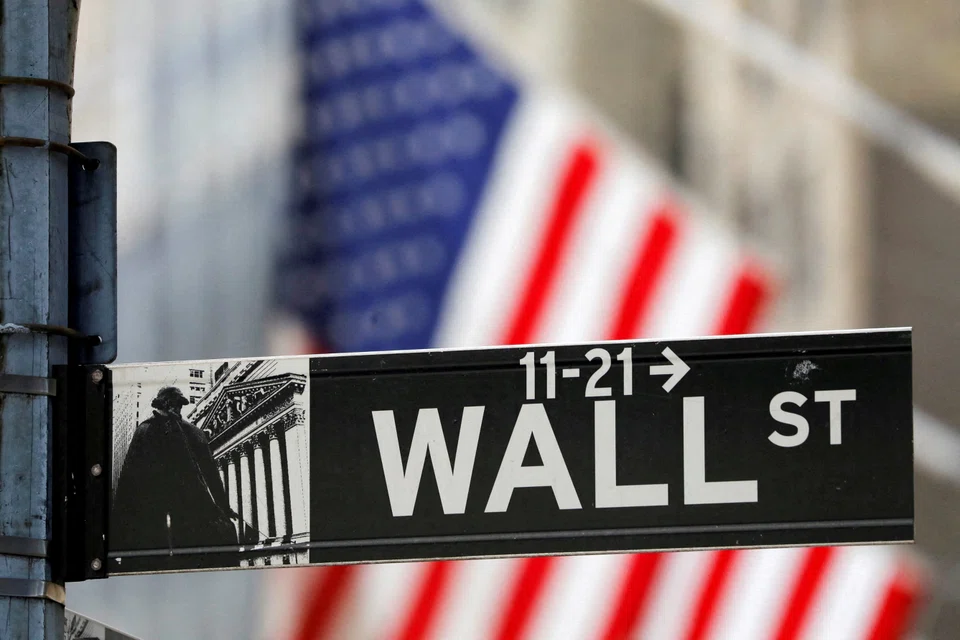
[NEW YORK] Wall Street firms, including some of the industry’s biggest banks, are on track to pay more than US$400 million to end a high-stakes lawsuit claiming they schemed to fix prices in the muni bond market.
The deal would end a long-running federal class-action suit that reached the doorstep of the US Supreme Court and was heading to a jury trial, according to people with knowledge of the matter.
The proposed payment – a fraction of the billions that plaintiffs demanded – was hashed out in recent days and may be presented to a court soon, one of the people said, asking not to be identified discussing the confidential talks.
Municipalities led by Philadelphia had accused a group of banks including JPMorgan Chase, Morgan Stanley and Goldman Sachs of colluding to set interest rates artificially high on a certain kind of debt, positioning the firms to profit at the expense of taxpayers.
The firms have disputed the allegations in court. Representatives for the cities and those banks declined to comment on any settlement talks. Morgan Stanley said in a quarterly regulatory filing that the parties had reached a settlement in principle, without disclosing the amount.
The municipalities were also suing units of Citigroup, Bank of America, Barclays, Royal Bank of Canada and Wells Fargo. Representatives for those banks either declined to comment or didn’t immediately respond to requests for comment.

A public trial threatened to place another harsh spotlight on Wall Street’s treatment of Main Street, bringing with it risks of reputational damage on top of financial demands that swelled during litigation. Documents filed to the Supreme Court showed municipalities hoped to ultimately win US$12 billion.
The allegations centred on so-called variable-rate demand obligations. The long-term bonds, dubbed VRDOs, have their rates periodically reset and offer investors the opportunity to return the securities for cash if they think the yields are reset too low.
The municipalities accused the banks of conspiring to inflate those rates above competitive levels to increase the chances of placing the VRDOs with an investor rather than having to keep them in their own inventory.
The claims followed findings of manipulation in the global foreign-exchange market and in setting Libor, the London interbank offered rate. Those scandals cost dozens of traders their jobs and banks billions in fines and penalties.
In their Supreme Court appeal, the banks said municipalities hadn’t met one of the class-action requirements by showing that issues common to all of the plaintiffs would predominate over individual questions. The banks hoped to overturn a federal appeals court decision that let the class action go forward.
The banks are separately defending against related claims in state court in New York and California under the US False Claims Act. Bloomberg Intelligence analysts estimated in July that settling the antitrust action would likely cost banks about US$770 million along with an additional few hundred million dollars to resolve state court actions.
Though the allegations focused on an esoteric corner of a complex market, lawyers for the municipalities would have set out to make a more straightforward argument in a trial: That banks made promises to clients and didn’t live up to them. BLOOMBERG
Decoding Asia newsletter: your guide to navigating Asia in a new global order. Sign up here to get Decoding Asia newsletter. Delivered to your inbox. Free.
Share with us your feedback on BT's products and services