
😡 Beware the Big Bad Boss

- Find out more and sign up for Thrive at bt.sg/thrive
⚠️ Proceed with caution
First things first: it is rare to have only good bosses throughout our entire career, says Rumi Mohd, associate director at recruitment agency Randstad Singapore, in an interview with Thrive.
“Once in a while, we will find ourselves working for an unreasonable boss, particularly due to their difficulties in managing people,” he adds.
Regardless of why a superior’s management style is bad, hurtful actions should never be swept under the rug. Some red flags 🚩 include:
- Micromanagement – an example being asking for minute detail updates regularly throughout the day
- Inappropriate tone and language, such as shouting or sarcasm
- Not giving credit where it’s due
- Displaying favouritism
- Making decisions that would impact the team without consulting them or providing necessary support

“Ultimately, these issues tend to stem from a lack of trust and poor communication in the workplace,” says Rumi, explaining that bosses are more likely to micromanage when they do not trust their staff to perform their duties responsibly. He adds that poor communication in particular often creates frustration and friction in the workplace, as employees could be acting on unclear instructions.
💡 All might not be lost
Before you get up and start typing out that resignation letter, it might be useful to take a step back and evaluate if your present work situation is still salvageable. This is especially so if all other factors at your workplace are going swimmingly (such as positive working relationships with your other colleagues, good work-life balance and finding general fulfilment in your work.)
Sometimes, your manager might not even realise that their actions may be causing you grief. It would be ideal to – tactfully – point out some areas where you think they can improve, so that the two of you can have a better working relationship.
Navigate Asia in
a new global order
Get the insights delivered to your inbox.
Be sure to avoid framing your comments like a personal attack; instead, highlight that the goal is to achieve better outcomes for both parties. Of course, this requires trust and a sense of safety, so focus on building a relationship first before pointing out your manager’s flaws.
“As a starting point, employees should put in an effort to build a professional and healthy relationship whenever they work with a new boss,” says Rumi.
For example, if your boss starts working longer hours than usual or when they become less responsive than they used to be, it could signal that they are feeling additional pressure either from work or at home.
In situations like these, you could proactively offer your support (within the right boundaries, of course). Lending your superior a hand could help alleviate their stress and strengthen your working relationship with them.
⏱️ Time’s up
All this being said, there are many cases where the relationship between superior and subordinate is strained beyond repair 😔. Some managers become verbally abusive, yelling at their staff and denigrating them. In extreme cases, bosses may even become physically abusive.
“When you dread going to work and spend effort to avoid any interactions with your boss, continuing your employment with your company could lead to prolonged mental health issues, such as anxiety and depression,” warns Rumi.
Here are some tips 💡 you can consider should you face an irreparable relationship with your manager:
- Refrain from heated confrontations 🔥 as they may do more damage to the relationship and your mental health.
- Think about whether it’s safe for you to continue working with your employer. Choosing to quit without a job lined up may not be ideal, but it might be necessary for you to take the time to reset your mental state while looking for a new job.
- Ensure that you conduct extensive research through platforms such as Glassdoor to find out more about the organisation’s culture. Ask your next interviewer questions about their company’s reporting structure and working style to gain a deeper understanding of the environment before you dive in.
- Consider a transfer within the company; looking into other positions within the same organisation that might interest you could be worthwhile. Meet colleagues and managers from other departments, and do your research into the transferability of your existing skills before making a case for your transition.
- Approach your company’s human resources (HR) department for advice on possible solutions you might not have already thought of.
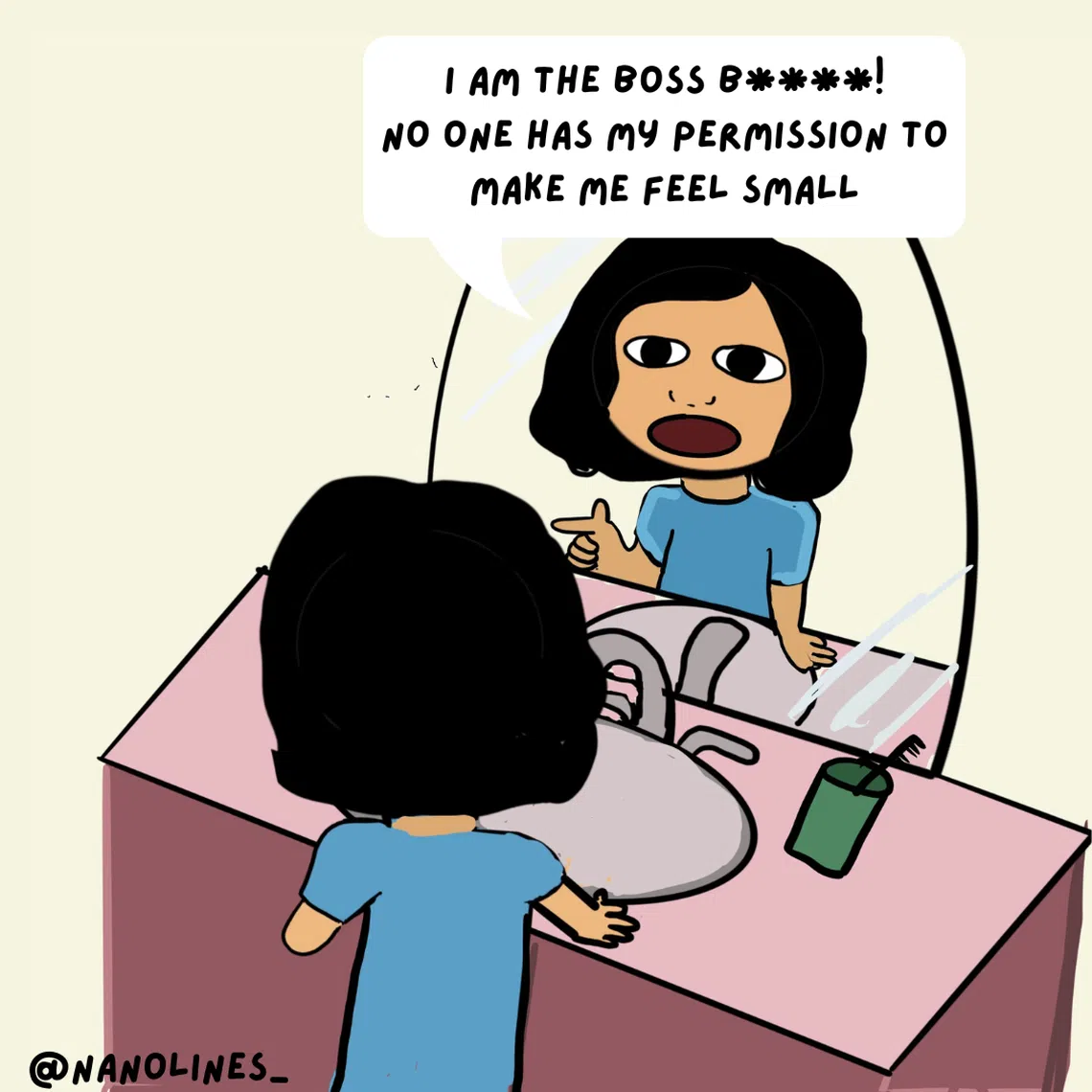
Whether you choose to leave an organisation due to a toxic boss, or stay and fight to make it work, you need to start taking charge of your career. Sometimes, even throwing in the towel might just be the one-way ticket to a more sustainable future that you need and deserve.
TL;DR
- Bad bosses are not uncommon, but that doesn’t make their behaviour acceptable 🙅
- Put in the effort to build a good working relationship with your boss and improve communication 👂
- Verbal and physical abuse should never be tolerated 😤
- Transferring to another department may be a possible solution if you do not wish to leave the company
- Do not be afraid to say goodbye if all else fails, as long as you have done the necessary research and preparation beforehand
Copyright SPH Media. All rights reserved.


