Billionaire investor Yuri Milner sees Xiaomi reaching US$100b
He says China's largest smartphone vendor has same potential as Facebook and Alibaba to reach that valuation
Hong Kong
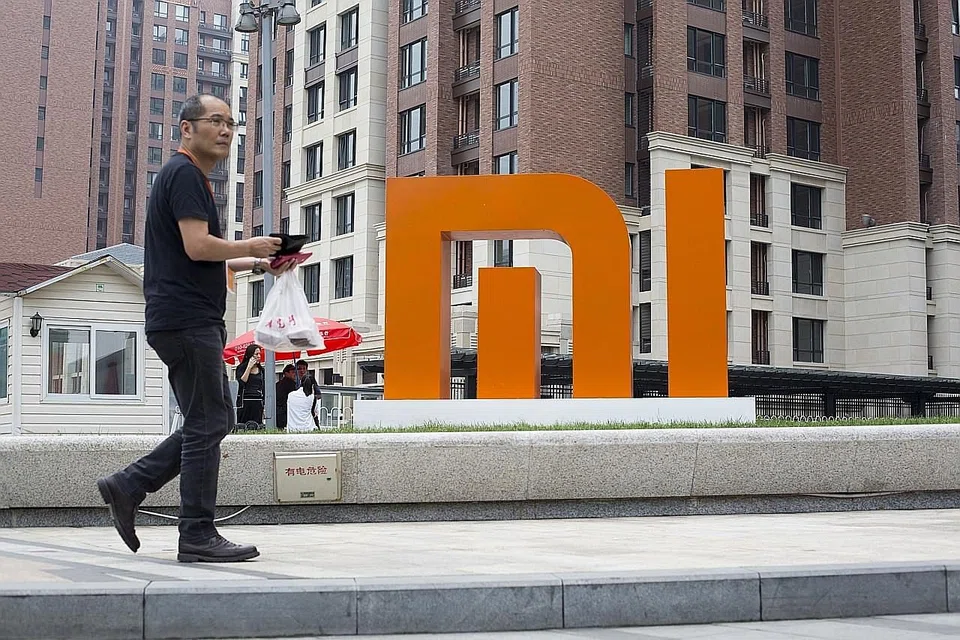
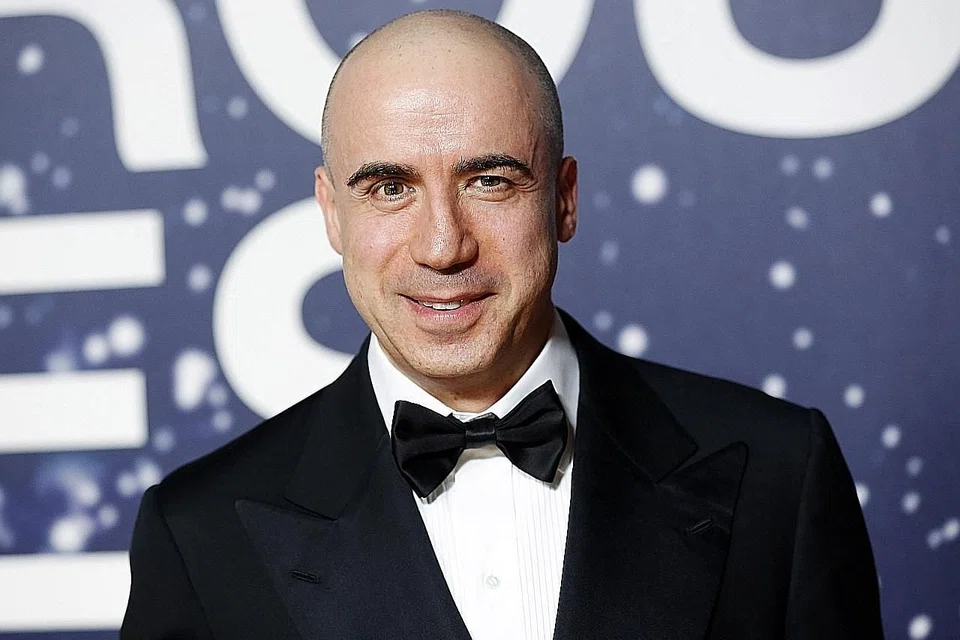
XIAOMI Corp's valuation could more than double to US$100 billion, spurred by its latest financing round, according to investor Yuri Milner.
China's largest smartphone vendor has the same potential as Facebook Inc and Alibaba Group Holding Ltd to reach that valuation, said the billionaire Mr Milner, an early investor in all three companies. Xiaomi on Monday announced it was valued at US$45 billion following a US$1.1 billion funding round that included Mr Milner's DST, Singapore's GIC and All-Stars Investment Ltd.
"I was attracted by the size of the opportunity ahead of them," Mr Milner said on Monday. "I don't think there's any company that has reached US$1 billion in revenue as fast as Xiaomi. In every conceivable benchmark, it's almost unprecedented in terms of its speed of growth."
Xiaomi founder and chief executive officer Lei Jun is expanding overseas and unveiling new products including an air purifier to build on growth in China, where the company overtook Samsung Electronics Co in smartphone sales. A combination of high-end features and low prices has lured customers and Mr Lei is now expanding into content and services.
In the September quarter, Xiaomi was the world's third-largest vendor behind Samsung and Apple Inc. It plans to sell 100 million phones next year. Xiaomi also will unveil a new "flagship product" next month, Mr Lei said on Monday, without supplying further details.
"It has significant potential to become China's first global consumer brand," Mr Milner said on Monday. In smartphones, "Xiaomi can take significant market share globally, but that doesn't cover the whole opportunity". "There are a number of other interesting categories that Xiaomi can target." Xiaomi is the first company that predominantly sells hardware that DST has invested in, according to Mr Milner. The firm led earlier funding rounds at a US$4 billion valuation in June 2012 and US$10 billion valuation in August 2013. DST has provided more funding to Xiaomi than any other investor.
Other investors in the latest round include Hopu Fund and Yunfeng Capital, Xiaomi said. Jack Ma, the billionaire chairman of Alibaba, is one of the founders of Yunfeng.
DST invested in Alibaba in 2011, about three years before its record initial public offering, and the e-commerce operator now has a market value of US$262 billion.
Mr Milner's 2009 investment in Facebook, when it was valued at US$10 billion, helped him become a billionaire when the owner of the social network went public in 2012. The company now has a market value of US$226 billion. Mr Milner has a net worth of US$2.7 billion, according to the Bloomberg Billionaires Index.
Xiaomi's revenue is set to more than double this year to exceed US$12 billion, according to estimates from Neil Shah, Mumbai-based research director for devices at Counterpoint Research.
At US$45 billion, Xiaomi would be valued at 3.75 times Mr Shah's estimate for this year. That is second only to Apple in terms of publicly traded personal-computer or mobile-phone makers, according to data compiled by Bloomberg. Apple trades at 3.8 times sales.
The Beijing-based company this year expanded beyond its home base into India, Singapore, Malaysia, the Philippines and Indonesia. Xiaomi has said that it will add markets including Thailand, Russia, Mexico, Brazil and Turkey next year.
Xiaomi, which means millet in Chinese, was founded in 2010 to make software for mobile devices running Google Inc's Android system. The company introduced its first smartphone in China the following year and has since begun branching into other consumer electronics including television set-top boxes.
The company doesn't make its own devices and relies on contract manufacturers, including FIH Mobile Ltd and Inventec Corp, to build them.
In May, the company unveiled its first tablet computer, the MiPad. The company earlier released the MiBox, a TV set-top box, and televisions that connect to the Web, running the Android operating system.
"It is the expectation that Xiaomi will be able to establish an ecosystem like that of Apple that includes hardware, software and services, an ecosystem that works not only over mobile phones but also other devices," Sandy Shen, a Shanghai-based analyst at Gartner Inc, said on Monday. BLOOMBERG