

BMW raises prices for some models in China on higher costs
 Add BT as a preferred source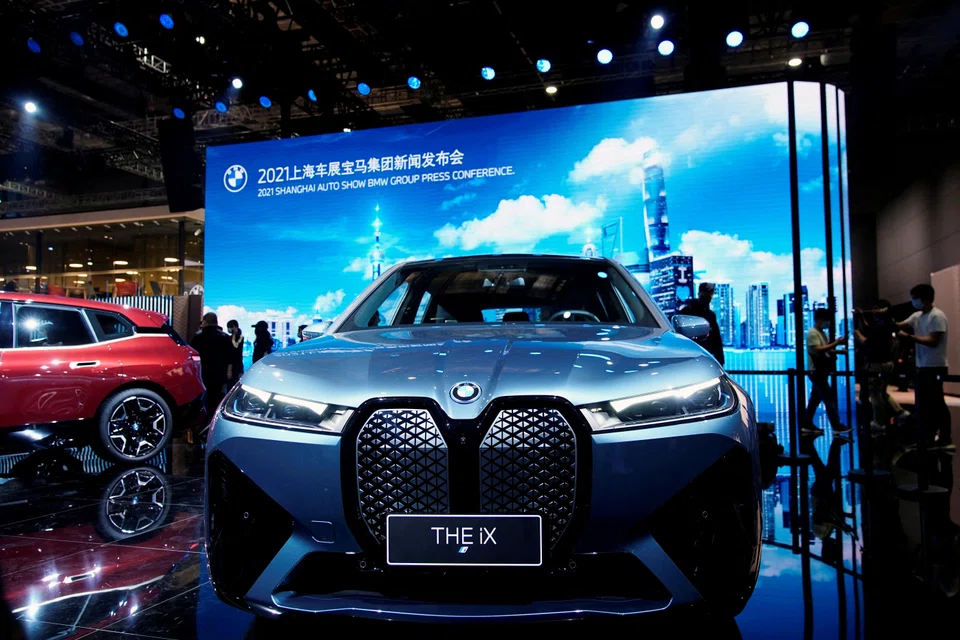
DeeperDive is a beta AI feature. Refer to full articles for the facts.
GERMAN automaker BMW said on Wednesday (Feb 1) it had raised suggested retail prices for some models sold in China effective immediately because of higher raw material and logistics costs globally.
The German carmaker increased the manufacturer’s suggested retail prices (MSRP) of 17 models in China including its 5 series sedans and X5 crossovers, Shanghai Securities News reported.
The MSRP of X3 crossovers also increased, by 7,000 yuan (S$1,364) to 17,000 yuan, the official business newspaper added. “BMW regularly reviews and evaluates its product pricing to flexibly respond to changes in raw materials and vehicle manufacturing costs,” the company said a statement.
The automaker, which sells mostly conventional combustion engine models in China, said the latest information was listed on its website and app and customers could check with dealers to confirm the prices. However, it declined to provide previous prices for comparison.
BMW’s price increases contrast with recent reductions by electric vehicle makers from Tesla to Xpeng, which have slashed prices for best-selling models to defend market shares as demand weakens in the world’s largest auto market.
In the first 29 days of January, average daily retail sales of BMW cars in China fell 18.6 per cent compared to the same period in 2022, while overall passenger vehicle sales fell 45 per cent, according to data from China Merchants Bank International released on Tuesday. REUTERS
Decoding Asia newsletter: your guide to navigating Asia in a new global order. Sign up here to get Decoding Asia newsletter. Delivered to your inbox. Free.
Share with us your feedback on BT's products and services
TRENDING NOW

Shelving S$5 billion office redevelopment plan proved ‘wise’ as geopolitical risks mount: OCBC chairman

Eurokars Group introduces rental car franchises Enterprise Rent-A-Car, National Car Rental, and Alamo to Singapore
20 photos that show how dramatically Singapore has changed in two decades
Singapore’s key exports up 15.3% in March from electronics surge, exceeding forecasts

