

Climate risks in volatile times
Climate competency is increasingly tied to revenue, investor confidence and long-term shareholder value
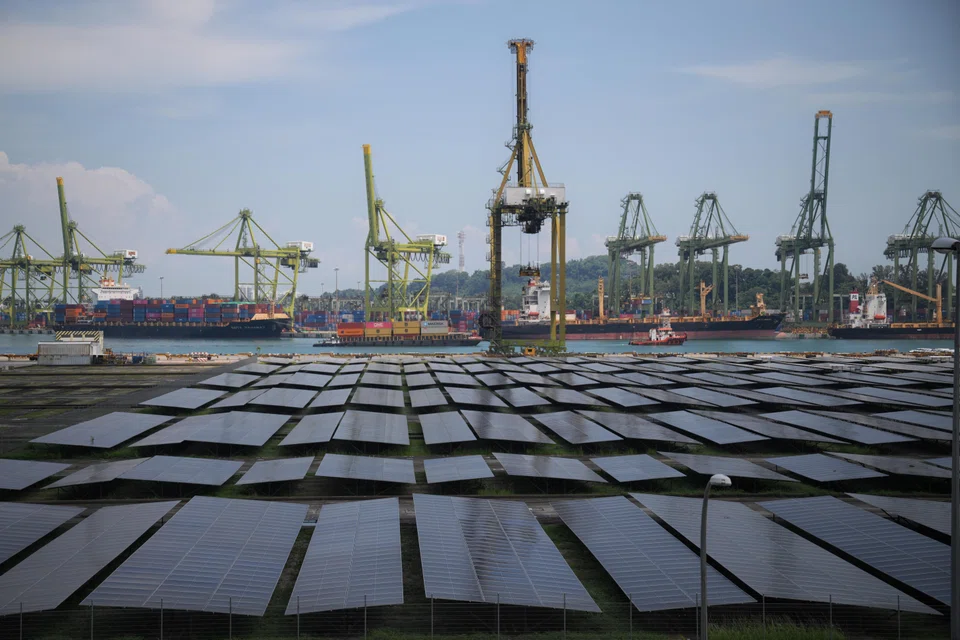
THE Iran war has brought geopolitical and climate risk into sharp focus, and the resulting global energy crisis has forced companies to reconsider their business strategy.
Should businesses hunker down, conserve resources and wait for the storm to pass? Or, should they diversify their supply chains and energy sources?
Under pressure, boards may default to quick fixes focused on immediate operational and financial relief. This can include cutting costs and overriding expensive climate commitments. Some measures, such as improving energy efficiency, can lower costs and reduce emissions. Others, however, may be driven primarily by the need for immediate relief with less analysis of broader implications.
Consider how the difficulty of passing through the Strait of Hormuz, an important transport route for aluminium and other key minerals, could affect the production of solar panels, wind turbines, and batteries.
Companies may not see immediate business or financial risks from such a choice, but operational and energy costs can rise as infrastructure ages or as energy- efficient improvements are deferred.
As procurement teams in governments and large multinational corporations raise the bar for sustainability, such companies also risk being screened out of supply chains due to emissions concerns.
'%3e%3cpath%20d='M12.1475%2025.5262C13.7713%2025.4295%2014.94%2023.913%2014.94%2021.8832C14.94%2019.5359%2013.474%2018.093%2011.5917%2018.093C11.3745%2018.093%2010.9582%2018.093%2010.8393%2018.1413V25.2086L11.8891%2025.5745C11.8891%2025.5745%2012.207%2025.5262%2012.1475%2025.5262ZM11.4934%2017.6281C13.2567%2017.6281%2014.3843%2016.4292%2014.3843%2014.4501C14.3843%2012.372%2013.275%2011.2973%2011.4339%2011.2973H10.8393V17.6305H11.4934V17.6281ZM6.66078%2025.6482L7.39265%2025.5492C8.02617%2025.4502%208.26403%2025.3053%208.26403%2025.1097V11.6149C8.26403%2011.4193%208.1451%2011.3709%207.23484%2011.249L6.68137%2011.173L6.6219%2010.7588H11.9508C15.7153%2010.7588%2017.0624%2012.0797%2017.0624%2014.1578C17.0624%2015.9666%2015.7748%2017.1909%2013.4969%2017.6305V17.7041C16.111%2017.948%2017.6571%2019.5382%2017.6571%2021.7636C17.6571%2024.3318%2015.8937%2026.0417%2012.1109%2026.0417H6.60132L6.66078%2025.6482Z'%20fill='%232B2B2B'/%3e%3cpath%20d='M20.6287%2025.6505L21.5596%2025.5515C22.1725%2025.4779%2022.4104%2025.3076%2022.4104%2025.112V11.249H21.9346C20.073%2011.3479%2018.982%2013.0095%2018.408%2014.6227L18.1907%2015.5018H17.6555L18.1701%2010.7588H29.3837L29.6421%2015.4787H29.1664L28.9491%2014.6227C28.3728%2012.8645%2027.3047%2011.2743%2025.5002%2011.249H24.9856V25.1856C24.9856%2025.3812%2025.1251%2025.4548%2025.9965%2025.5515L26.7695%2025.6505L26.829%2026.0417H20.5693L20.6287%2025.6505Z'%20fill='%232B2B2B'/%3e%3c/g%3e%3cdefs%3e%3cclipPath%20id='clip0_5242_21648'%3e%3crect%20width='24'%20height='16.8'%20fill='white'%20transform='translate(6%2010)'/%3e%3c/clipPath%3e%3c/defs%3e%3c/svg%3e)
Risk myopia
This creates a form of “risk myopia”, where urgent near-term concerns crowd out slower-moving but equally material risks.
One example is the renewed reliance on coal-fired power plants as energy markets tighten and supply disruptions intensify. Such decisions may help companies maintain production in the short term, but can also lock businesses into higher emissions, ageing infrastructure and significantly higher transition costs later.
In the best-case scenario, a company might opt to intensify its use of fossil fuels only temporarily, pushing planned investments in energy efficiency down the road. In the worst case, however, coal-fired facilities might become more entrenched and harder to sunset.
SEE ALSO




Some short-term measures make strategic sense. Improving energy efficiency, for instance, can lower costs while reducing emissions. Other responses, however, may provide immediate relief while weakening longer-term resilience.
This matters because climate-related disruptions are real risks to businesses. According to the World Economic Forum’s Global Risks Report 2026, half of the top 10 risks over the next 10 years are environmental, including extreme weather, natural resource shortages, and biodiversity loss.
Yet, in the near term, risk prioritisation is dominated by geopolitical tensions, inflation, and economic uncertainty. The challenge for boards is therefore not simply managing today’s crisis. While maintaining near-term resilience and performance is essential, decisions need to be evaluated holistically, with both immediate pressures and longer-term implications in mind.
This is where governance and reporting become critical.
More than compliance
Climate reporting should not be viewed merely as a compliance exercise. Properly used, it can help boards make better strategic decisions in periods of uncertainty. The IFRS Sustainability Disclosure Standards issued by the International Sustainability Standards Board (ISSB) provide companies with a globally aligned framework for identifying, assessing and disclosing climate-related risks and opportunities. These standards require companies to examine issues such as greenhouse gas emissions, climate-related exposures, resilience planning, and progress towards transition targets.
More importantly, the reporting process itself can sharpen decision-making. In periods of disruption, such disclosures give boards clearer visibility into whether short-term actions to manage cost and energy pressures are genuinely improving resilience, or simply deferring future costs and risks.
Take Amazon, for example. In 2019, the company committed to reaching net zero by 2040. It subsequently invested in measures such as electric delivery vehicles and reduced plastic packaging.
Those decisions are now proving commercially relevant as energy volatility and supply disruptions continue to affect fuel and plastics costs globally. Sustainability- driven investments are helping strengthen both operational resilience and long-term cost management.
From myopia to momentum
Boards should therefore see climate governance not as a reporting burden, but as a source of strategic advantage.
A joint SGX RegCo-Schneider Electric study found that six in 10 listed companies have identified new business opportunities linked to climate change and are developing new business segments in response. Companies have also reported being better positioned to qualify for contracts because of the strength of their sustainability reporting.
Climate competency is increasingly tied to revenue, investor confidence and long-term shareholder value.
Listed companies in Singapore are already familiar with climate reporting requirements. Since 2022, SGX RegCo has mandated climate disclosures aligned with the recommendations of the Task Force on Climate-Related Financial Disclosures.
Recognising that transitioning to ISSB standards represents a significant increase in complexity, timelines for implementation have been phased in.
But this transition window should be viewed as an opportunity to prepare, not a reason to delay.
Companies that strengthen their climate data, systems and internal capabilities now will be better equipped to navigate future shocks with greater clarity and confidence. Early action can reduce long-term costs, strengthen resilience and position businesses to capture emerging opportunities as markets evolve.
Funding support is also available to encourage early adoption, and companies should tap this support sooner rather than later. Once reporting deadlines approach, grants may become harder to access, and implementation roadmaps more difficult to execute.
The next energy crunch will come. The companies that act now will be far better prepared when it does.
The writer is a member of the Sustainability Committee of the Singapore Institute of Directors.

Decoding Asia newsletter: your guide to navigating Asia in a new global order. Sign up here to get Decoding Asia newsletter. Delivered to your inbox. Free.
Share with us your feedback on BT's products and services
TRENDING NOW

DBS, OCBC, UOB rout lops billions off STI as inflation, rate concerns spook investors

Grab CEO’s wife Chloe Tong on life with Anthony Tan and finding her purpose

OCBC sheds S$8 billion in value as shares close nearly 6% down; analysts cautious on banks

Deal between tycoon friends sparks scrutiny of Philippine power sector

