Bond interest rates may determine market direction
Any further moves in Treasury yields, particularly a testing of the 3 per cent level on the 10-year Treasury note, could jolt stocks, even if earnings season progresses well
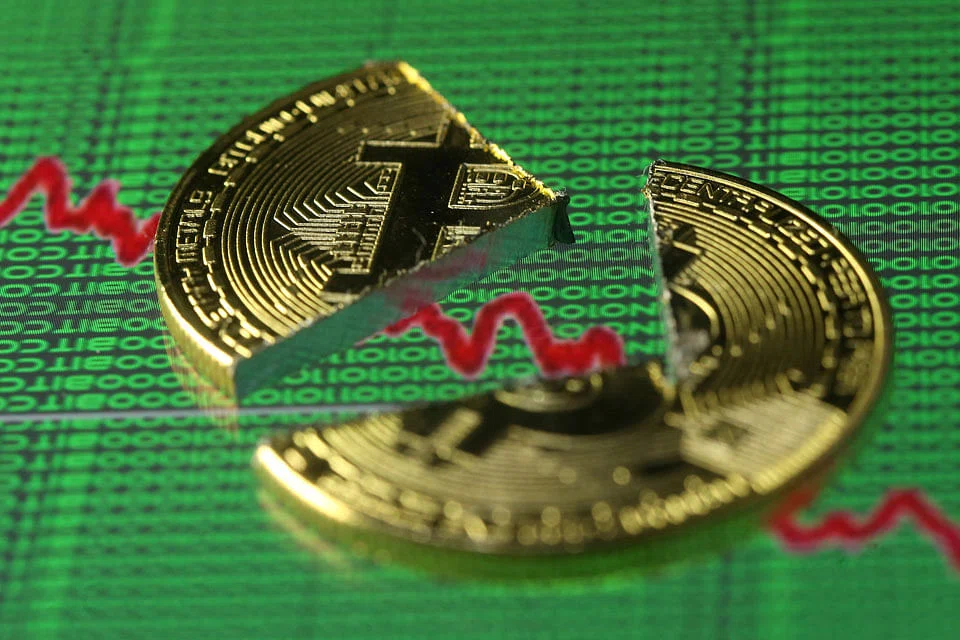
SPECULATORS on stocks and bitcoin learned this week that market "melt-ups" - greed-fuelled, rocket-paced rallies such as those of the last three months - are so-called because of how often they are followed by meltdowns.
With the biggest January gains since 2003, the stock market melted up at the start of the year and, last week, it melted down.
This week, the same momentum that carried stocks and digital currencies to such heights could perpetuate the slide, particularly if interest rates continue climbing on the bond market.
Major US stock indexes had their biggest weekly declines since January 2016 as Treasury yields spiked, earnings failed to live up to high expectations and the price of bitcoin crashed.
Last Friday alone, the Dow Jones Industrial Average fell by 665 points, the largest drop in two years and one of the top-10 biggest point declines of all time. The price of bitcoin fell by as much as 20 per cent.
The immediate cause of the selloff was the fine print in the January jobs report. US employers hired about 200,000 workers, keeping the unemployment rate at 4.1 per cent, the lowest level since 2000.
Markets reacted to another statistic, showing that wages grew, on average, by 2.9 per cent in January from a year earlier.
In her swansong as Federal Reserve chair, Janet Yellen had indicated that the central bank was on inflation watch.
Traders took that as a hint that the Fed could raise rates more aggressively if prices - or wages, which usually move first - started to rise.
Treasury yields rose above 2.8 per cent after the jobs report, a bet that the Fed would respond to the wage inflation by driving up rates.
The move in Treasury yields caused a plunge in the value of the riskiest stocks, many of which pay monthly interest on loans and bonds tied to Treasury rates.
Shares of major chain stores such as Sears Holding and industrial giants such as Caterpillar, both of which had appreciated rapidly in the last few months, slid.
Apple led a retreat in the tech sector last Friday after the computer-and-gadget maker, the world's largest company by market capitalisation, forecast revenue growth short of analysts' expectations.
The report followed complaints from Apple suppliers that the company had slashed orders for component of its premium iPhone X, suggesting that demand for the US$1,000 phone was lagging the company's expectations.
Amazon.com bucked the trend after the online retail giant said demand for its voice-activated speaker-bot, Alexa, bolstered its latest quarterly earnings.
This week, drug makers, media companies and retailers must also live up to high expectations, if earnings are to slow the rout in the stock market.
Any further moves in Treasury yields, particularly a testing of the 3 per cent level on the 10-year Treasury note, could jolt stocks, even if earnings season progresses well.
While bitcoin is not yet directly linked to the real economy, there are signs that speculation on the mathematically based currency may have spilled over into the stock market.
For example, the Bitcoin Investment Trust, a de factor exchange-traded fund designed to track the price of the math-based currency, had become one of the most popular stocks traded in brokerage accounts in December, according to Fidelity and others.
Other companies, such as Advanced Micro Devices, which makes some of the chips used in digital-currency mining, and Overstock.com, which has built digital-currency trading platforms, have intertwined their fortunes with the new financial technology.
The Bitcoin fund, AMD and Overstock.com were among the biggest losers on the stock market during Friday's rout.
Hundreds of billions of dollars in wealth have evaporated in recent weeks as the price of bitcoin has fallen by more than half from its peak of around US$19,500 in December and it dipped below US$8,000 last Friday before recovering somewhat.
Other digital currencies such as Ripple have incurred even bigger losses. Regulators worldwide are busting digital-currency operations as if they were gambling saloons in the Wild West.
In the US, the Securities and Exchange Commission has halted initial-coin offerings, which are previously unregulated fund-raising efforts that have side-stepped initial-public offering rules by selling investors virtual coins instead of shares.
In South Korea, China and Japan, regulators are shutting down exchanges and curbing trading.
Lorenzo Di Mattia, manager of hedge fund Sibilla Global Fund, said the bubble in crypto-currencies inflated close to the level that the dot-com bubble reached 20 years ago, in a fraction of the time.
"We are forming the biggest financial blowoff in the history of the financial market," he said. "I didn't think it could get so extreme as 2007 in my lifetime, but here we are."
Other strategists advised their clients to sit out what they predict will be a brief storm.
"Global growth is strong and corporate profits are projected to rise about 15 per cent in the coming year," said John Lynch, chief investment strategist at brokerage LPL Financial.
"Tax benefits, increased government spending, and higher lending capacity are reasons to remain optimistic about economic growth and equity prices."