

Bright spots for Centurion's worker and student accommodations
PBSAs are better positioned than real estate asset classes like offices and hotels, which face longer-term pandemic woes, says CEO.
Claudia Tan HS
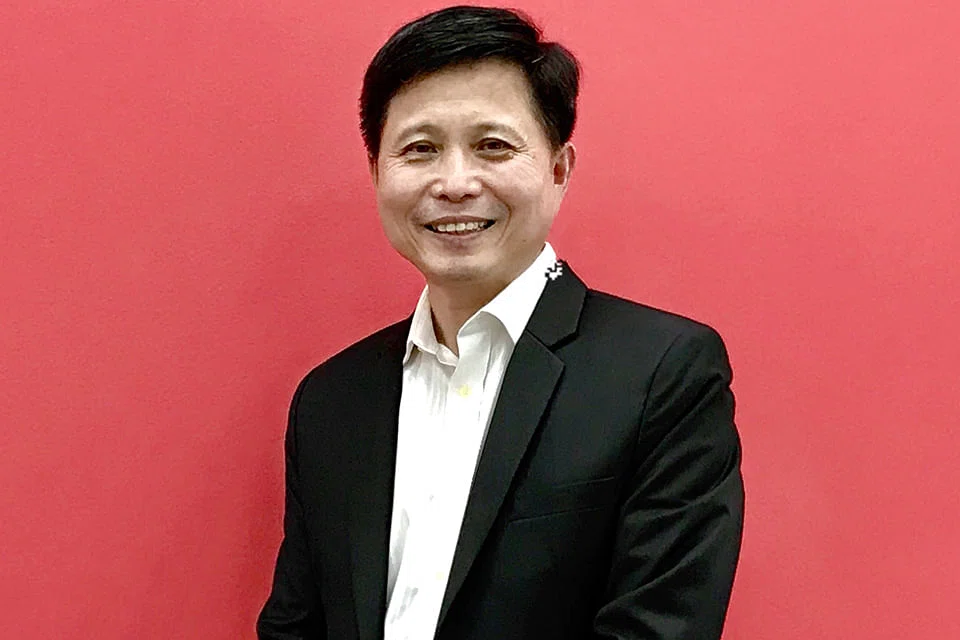
THE Covid-19 pandemic had battered several real estate asset classes but Centurion Corp, which operates purpose-built worker and student accommodation (PBWA and PBSA respectively), is anticipating a pick-up in demand for student housing and more opportunities to enlarge its worker accommodation portfolio.
PBSAs, which are typically prized for defensive plays, had been hurt by travel bans and the shift towards online learning. Still, it remains an attractive asset class given the sustained interest in reputable educational institutions abroad and the appeal of communal living among students, Centurion's chief executive officer Kong Chee Min told The Business Times in an interview.
Despite the economic slowdown, global players have remained invested in PBSA, which is evident as yield compression continues, said Mr Kong. PBSAs are in a better position than some other real estate asset classes such as offices and hotels, which are facing longer-term pandemic woes, according to Mr Kong.
Popular choice
In addition, staying in PBSAs remains a popular choice among students as the common spaces, which allow students to relax and socialise in, play an active role in enhancing the student experience.
The mainboard-listed dormitory operator and developer's student accommodation business segment has a presence in Australia, the United Kingdom (UK), the United States and Korea. It had in early June decided not to extend its final two-year lease for its student housing in Singapore in part due to requirements to reduce the number of beds.
The company's PBSA revenue fell by 25 per cent year on year from S$21.1 million to S$15.7 million, with Australia bearing the brunt of the impact given the slower rate of vaccination and tighter border restrictions.
In Australia, the average financial occupancy stood at 27 per cent for the first half of 2021, down from 68 per cent the year before.
On whether divestment is on the cards, Mr Kong said that unless Australia stops foreign enrolment of students, it is "not a wise decision" to divest simply because of the pandemic.
"Our investment decision has not changed but if you ask me if (one) should invest in Australia right now, the answer is no," he added.
To cushion the impact of tightened measures in Australia, Centurion is turning to other sources of revenue. For instance, it is offering short-term leases, where possible, to non-student residents as well.
It had recently received approval to take in non-student residents in Melbourne and is looking to target staff working at the Melbourne hospital located near its PBSAs.
"We will reduce our pricing for these workers and attract them to stay in our accommodation," said Mr Kong. That said, occupancy in Australia is expected to resume once travel returns, given that the universities there continue to attract international students.
Centurion is, however, more bullish about the prospects in the UK. Its student accommodation assets in the UK have been receiving more enquiries; the group has pre-sold more than half its bed capacity in the UK for the upcoming academic year.
The UK government had also reaffirmed its intent to attract more international students, which could boost demand for student accommodation.
The UK government had, in February this year, outlined plans to increase the number of international higher education students to 600,000 by 2030, up from about 460,000 enrolled in British higher education.
On the worker accommodation front, Centurion had been a beneficiary of Singapore government initiatives to contain the spread of the virus and to improve the living conditions of migrant workers.
The group's two migrant worker onboarding centres (MWOCs) and three quick-build dormitories (QBDs), for instance, had contributed positively to its half-year turnover.
Its fourth QBD is expected to commence operations in the fourth quarter this year.
Opportunities
MWOCs are one-stop centres for new migrant workers to complete their stay-home notice, get the necessary medical examination, as well as the support to settle in while QBDs are introduced to reduce the density of workers in existing accommodation.
While these opportunities had come about as a result of the virus outbreak, Mr Kong is expecting some of these initiatives to stay even when the pandemic blows over.
"I believe this MWOC will not go away - the onboarding process will be something workers go through when they come to Singapore," said Mr Kong. He added that this might present new opportunities for the company to leverage on in the PBWA segment. As it is, the demand for foreign workers remains high, particularly in sectors such as construction, marine, oil and gas and petrochemical processing.
Centurion is also in talks with the Singapore government regarding future dormitory specifications for enhanced living standards and public health resilience and will continue exploring opportunities for the development and management of new PBWA assets that will address pandemic- management needs.
Mr Kong also floated the idea of potentially investing in new areas such as senior living in regions where Centurion already has a presence. "The right opportunity and time to expand into that segment is pretty much still on our radar," said Mr Kong.
Beyond owning and managing properties, Centurion is also looking to focus on its asset-light strategy. "We are actively exploring other formats including the lease model, the build and design model and management services models," said Mr Kong.
For the half-year ended June 30, Centurion announced that net profit fell 58 per cent to S$8.7 million from the previous year's figure of S$21 million, as it booked a fair-value loss of S$14.5 million on its properties.
Excluding fair-value adjustments, profit from core business operations attributable to equity holders fell 3 per cent to S$20.4 million, from S$21 million the year before.
Overall revenue for the period slipped 3 per cent to S$64.7 million, from S$66.6 million the previous year.






