British pound could fall to as low as S$1.65 amid inflation, recession concerns, say analysts

Yong Jun Yuan
Yong Jun Yuan

Published Fri, May 6, 2022 · 06:40 PM
    • The GBP/SGD rate stood at 1.71 as at Friday, 3.47pm
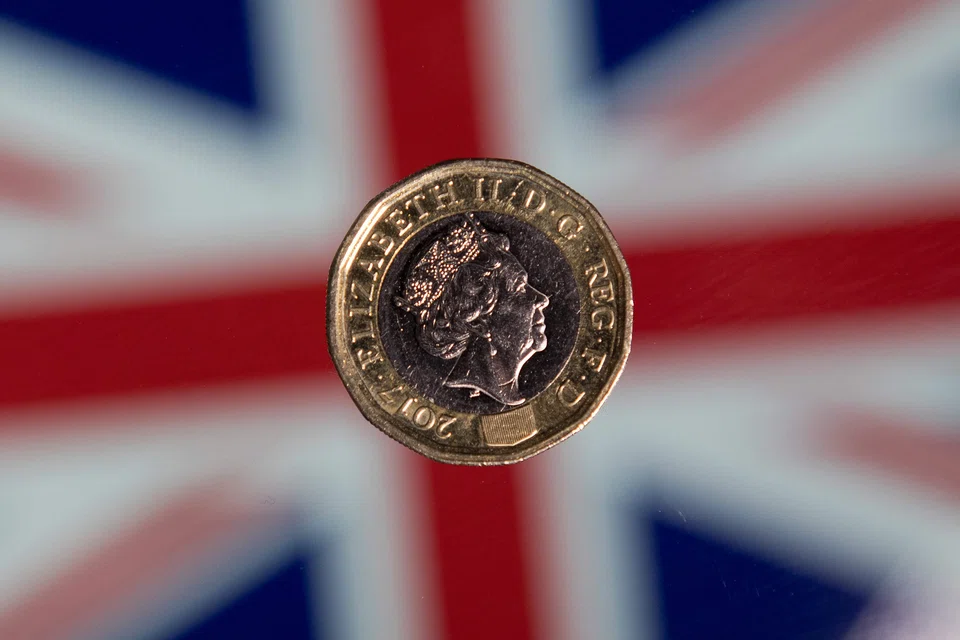
    • The GBP/SGD rate stood at 1.71 as at Friday, 3.47pm AFP

    INFLATION and the possibility of a recession in the United Kingdom are expected to weigh on the British pound, market watchers said, potentially pushing it as low as S$1.65 this year.

    The pound fell sharply after the Bank of England (BOE) on Thursday (May 5) hiked interest rates by 25 basis points to 1 per cent, a 13-year high, and its fourth hike in a row.

    The GBP/SGD rate fell from roughly 1.73 at 6 pm on Thursday to nearly 1.70 at 4.30 am on Friday. It had recovered slightly to roughly 1.71 as at 5.30 pm on Friday.

    Announcing the hike, the BOE said the UK’s inflation rate could rise to about 10 per cent due to the Russia-Ukraine war and lockdowns in China. It also expects economic growth to be squeezed, with household spending taking a hit as prices outpace wage growth.

    DBS senior currency economist Philip Wee said he had initially expected a more dovish stance from the BOE due to the weaker UK growth outlook. The BOE’s forecast of a recession in 2023 also shocked markets, he said.

    Wee added that the pound could recover if the US dollar corrects lower, and he believes the pound is oversold and the US dollar index overbought over the past few weeks.

    But there are several other market forces that could continue to push the pound lower this year.

    Manpreet Gill, head of fixed income, commodities and currencies strategy at Standard Chartered's wealth management CIO office, believes the GBP/SGD rate could fall as low as 1.655, which was a low last seen in 2020.

    The combination of growth concerns and limited rise in real yields is likely to weigh on the pound, he said. In addition, Singapore could also further tighten monetary policy later this year – which would cause the Singdollar to strengthen against the pound.

    “Having said that, a move lower towards 1.65 is likely to be technical. And on a longer 6 to 12 month basis, we do expect the GBP to be a beneficiary of a peaking US dollar – which means it should rebound towards 1.80 once current concerns are priced,” Gill said.

    But in the worst-case scenario, he said, a recession in the UK combined with consistent inflationary pressures could lead to further declines in the pound.

    A pause in monetary policy tightening in Singapore or an unexpected quick resolution in the Russia-Ukraine war could also lead to deviations from his base case, Gill said.

    Union Bancaire Privee global head of forex strategy Peter Kinsella also said the pound could fall lower towards 1.6 in the coming weeks and months.

    “The outlook remains bearish for GBP – we are seeing that macroeconomic fundamentals are continuing to deteriorate in the UK – with the trade balance now in a more explicit deficit, the budget still in deficit and the capital account moving to a deficit,” Kinsella said.

    Higher US interest rates – above what the market has priced in – would also be negative for the pound, he added.

    In the short to medium term, Kinsella advises curtailing exposure to the currency.

    Standard Chartered’s Gill, meanwhile, suggested that spot traders with short horizons could trade with the expectation of further near-term weakness in GBP/SGD currency pair.

    Investors with a longer-term horizon, or who are long the Singdollar, could also look to average into the pound over the coming weeks, he said, adding that this would depend on investors' risk profiles as well as what they are looking to achieve.