Brokers' take: Possible Garena Free Fire ban in India a Sea 'buying opportunity', say analysts

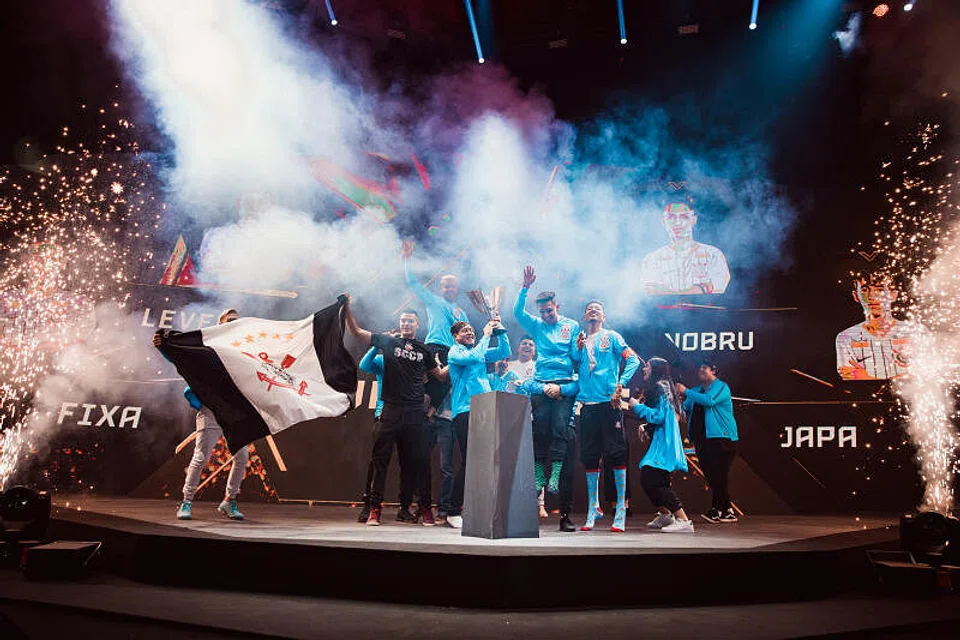
ANALYSTS have reiterated "buy" calls for consumer Internet company Sea on the back of reports that its Garena-produced marquee game Free Fire has been pulled from India's app stores for security concerns for its "Chinese origin".
In a report on Monday (Feb 14), CGS-CIMB drastically reduced its target price to US$288 from the previous US$425 as it lowered target multiples for Sea's gaming and e-commerce segments against the macro backdrop.
Analysts Ong Khang Chuen and Kenneth Tan believe Free Fire's removal in India could present a "buying opportunity" and cause a "knee-jerk reaction" to Sea's share price as India makes up around 10 per cent of Garena's monthly active users, although Chinese conglomerate Tencent's reduced voting rights in Sea could allow the Singapore-founded company to continue operations in India.
They have in turn removed Sea from CGS-CIMB's high conviction list, stating "near-term visibility remains challenging" even as they continue to like the stock "given strong e-commerce leadership in Asean, immense digital financial services (DFS) growth, backed by a robust cash-generating gaming business".
Among Sea's other branches, the analysts highlighted Shopee as the leader in e-commerce monetisation in South-east Asia, which is poised to further its take rate growth to 7.5 per cent in FY2022. They forecast it to remain one of the fastest growing e-commerce platforms globally, with FY2022 estimates indicating a 45 per cent rise in gross merchandise value and a 60 per cent jump in revenue.
They also believe the market has underappreciated SeaBank's growth potential and that investors are only paying 4.7 times the projected FY2023 price-to-share ratio for Shopee while attributing 0 value to Sea's DFS - including SeaBank - and US$11 billion net cash.
Meanwhile, Citi and DBS Group Research in separate reports on Tuesday maintained their target prices of US$241 and US$278 respectively.
Citi believes the Free Fire removal is likely to impact the active user base more than its revenue contribution, as India's gamers - more than 30 per cent of total Free Fire users - likely have a gross contribution percentage of around high-single digit to low-teens, due to lower paying ratio and relatively lower average revenue per user.
However, as the brokerage has prescribed "relative importance" to the Indian market, it believes share price is likely to remain weak until further clarification comes from Sea management.
DBS analyst Sachin Mittal also echoed Citi's observation of India's low revenue contribution, noting that it is less than 5 per cent of Garena's revenue.
He also believes a pivot away from Indian markets would be better off for Shopee and the group's earnings before interest, tax, depreciation and amortisation (Ebitda), largely due to the possible Garena ban.
"India is a challenging market where incumbents Amazon and Flipkart are loss-making and it is highly unlikely that Shopee can achieve Ebitda break-even in India even in 5-6 years," he said.
Shares of Sea, which trade on the New York Stock Exchange, closed down 18.4 per cent or US$29.11 at US$129.17 on Monday.
READ MORE:
- Brokers' take: Why DBS thinks Grab could be a better 'buy' than Sea
- Sea invests in Singapore motion-capture gaming startup Refract's S$8.5m round
- Tencent plans to sell a stake in Singapore's Sea for up to US$3b
Decoding Asia newsletter: your guide to navigating Asia in a new global order. Sign up here to get Decoding Asia newsletter. Delivered to your inbox. Free.
Copyright SPH Media. All rights reserved.