

BT Explains: What it means to base a loan on Poseidon Principles
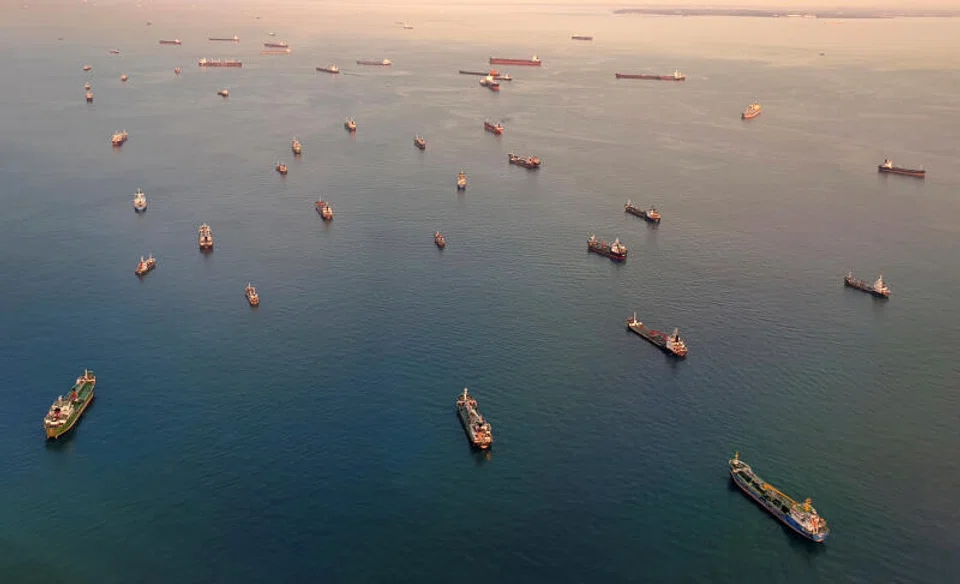
THE US$2.9 billion loan facility which Olam Agri has taken out to refinance its existing loans, among other uses, involves 16 lenders that united over what are known as Poseidon Principles.
Why are lenders enthusiastic about this set of principles, and what obligations are tied behind loans issued based on them? The Business Times explains.
What are Poseidon Principles?
In 2018, the International Maritime Organization (IMO), a specialised agency of the United Nations responsible for regulating shipping, approved a strategy to reduce greenhouse-gas emissions generated by shipping activity.
In June 2019, the Poseidon Principles were rolled out to help achieve the target of cutting total annual greenhouse gas emissions by at least half by 2050, compared to 2008 levels.
Signatory FIs pledge to follow all requirements of the principles.
But they also get certain benefits, including access to asset-level information that can be used to assess potential climate risks, which may impair returns in the future, says the Poseidon Principles’ website.
Twenty-nine banks, jointly representing some US$185 billion in shipping finance, are currently listed.
At the moment, OCBC is the only Singapore bank named as a signatory. OCBC is not a participant in the Olam deal, however; DBS is, not only as a senior mandated lead arranger, but also joint Poseidon Principles programme coordinator alongside MUFG and Natixis. MUFG is a signatory.
What are these principles?
There are 4: Assessment of climate alignment, accountability, enforcement and transparency.
They are to be applied to all business activities that are credit products – including syndicated loans – secured by vessel mortgages or finance leases secured by title over the vessel, and where vessels fall under the purview of the IMO’s data collection system.
The system applies to ships of 5,000 gross tonnage and above, trading on international voyages.
The signatory banks have to report the following yearly:
- Overall climate alignment of a signatory’s shipping portfolio reported as a +/- percentage figure;
- Percentage of eligible shipping portfolio that is non-reporting;
- Percentage of portfolio for which preferred and allowed pathway tracks were used;
- List of the names of service providers used.
The signatories’ overall climate alignment score will be made public in December.
Last year, the scores of 23 signatories ranged widely, between -15.6 per cent and 72.4 per cent. OCBC’s score was -1.8 per cent, meaning that its portfolio’s carbon intensity is lower than required by the decarbonisation trajectory.
How will the principles impact borrowers?
Unlike green bonds or sustainability-linked bonds, financing based on Poseidon Principles does not typically impose restrictions or targets on borrowers. Instead, the principles’ impact is usually felt earlier, when lenders are deciding who to finance, or when it is time to refinance.
The signatories’ climate alignment is measured by tracking the carbon intensity of the bank’s shipping portfolio, judged against the decarbonisation trajectories set by the Poseidon Principles Association’s secretariat and official advisors. Trajectories vary, depending on ship type and size.
For now, the most commercially viable solutions to cut carbon intensity are speed reduction and energy efficiency technologies, says the Poseidon Principles’ website.
FIs might, therefore, seek more deals involving these measures to improve their portfolio score.
The sector will need to switch to greener energy and fuel in the future if signatories want to continue hitting the decarbonisation milestones.
Options in the next 10 years might include the harvesting of renewable energy on board, bioenergy, battery energy storage, and synthetic or e-fuels.
These are conversations that signatories are encouraged to strike with their clients to bring down carbon intensity.
If these don’t work, the banks are told to consider rebalancing their shipping portfolio over time towards parts of the sector that are more climate-aligned.
TRENDING NOW

Simba admits exceeding spectrum limits amid failed M1 deal; parent company Tuas’ full-year profit surges 277%

He built the Vingroup empire. Now South-east Asia’s richest man is handing some key roles to his sons

Ex-execs of CW Group, Allied Tech charged with offences linked to lawyer’s S$76 million misappropriation
Singapore to prioritise high-value AI infrastructure as Asean markets play to their strengths: Tan Kiat How

