

AI boom drowns out Iran war fears to fuel Asia’s great market divide
In South and South-east Asia, higher oil prices are straining trade balances and sending stocks tumbling in India, Indonesia and the Philippines
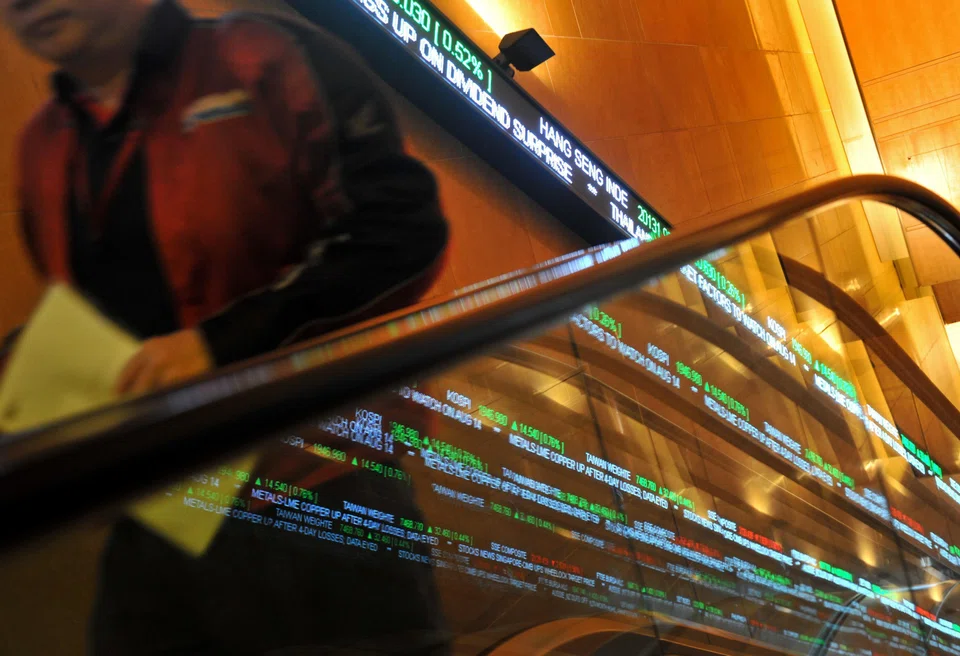
[SINGAPORE/MUMBAI] Asia’s markets are behaving as though two different worlds exist at once.
In South and South-east Asia, higher oil prices are straining trade balances and sending stocks tumbling in India, Indonesia and the Philippines. In North Asia, enthusiasm for chipmakers and artificial intelligence companies is driving equity benchmarks in South Korea and Taiwan to repeated record highs with little regard for the war in the Middle East.
The divergence highlights two competing narratives in global markets, with investors punishing economies exposed to higher energy costs while looking past near-term geopolitical risks if they can gain exposure to industries seen as critical to future growth. With the US and Iran making little progress towards talks and control of the Strait of Hormuz unresolved, the risk of prolonged energy disruption is paving the way for further divergence in Asia’s markets.
“It’s mainly the lack of AI” that’s exacerbating South Asia’s underperformance compared to their North Asian tech-led peers, said Marvin Chen, a strategist at Bloomberg Intelligence. “On oil, Korea, Taiwan and Japan are just as dependent. It may be a structural issue that South Asia may need to proactively address by finding ways to fit in tighter with the regional tech supply chain.”
When the Iran conflict broke out in late February, markets across Asia sold off in unison as higher oil prices hit the region’s import-dependent economies. But as it dragged on, investors grew weary and shifted back to the pre-war trade of buying AI-linked stocks.
North Asia has mostly erased its losses since the conflict. Taiwan’s Taiex is up almost 10 per cent since the war, the best performance among major markets, while South Korea’s Kospi has gained about 4 per cent. China’s CSI 300 and Japan’s Nikkei 225 also edged higher.
Elsewhere, the performance is weaker. India’s Nifty 50 has fallen about 5 per cent, and the MSCI Asean Index is down around 7 per cent, with benchmarks in the Philippines and Indonesia each dropping over 10 per cent.
North Asia’s resilience rests in the fact that its markets are dominated by companies embedded in the global semiconductor supply chain, the backbone of the AI boom. Firms such as Taiwan Semiconductor Manufacturing, Samsung Electronics and SK Hynix are benefiting from a surge in demand that – for now – appears relatively insulated from geopolitical risks.
In contrast, South and South-east Asia are grappling with higher crude prices feeding into inflation, eroding current-account balances and weakening currencies. Those pressures leave policymakers with less room to respond. Without a comparable technology-driven story to attract inflows, markets in those regions have lagged.
SEE ALSO


Currencies largely tell a similar story. The Chinese yuan and Taiwan dollar have been relatively stable, while those in India and parts of South-east Asia have come under pressure.
Three factors are driving the divergence: greater exposure to the energy shock in India and South-east Asia, which have fewer buffers than North Asia; stronger fiscal positions in the north; and the AI boom, which is supporting growth and markets in North Asia but offering little lift to India and South-east Asia, said Sonal Varma, Asia ex-Japan chief economist at Nomura Holdings.
There are, however, some nuances. In South-east Asia, Malaysia has been partially shielded by its status as a net exporter of oil, helping its currency hold up better than its neighbours. Singapore bonds, currency and stocks have also weathered the Iran war better than peers, thanks to haven flows.
South Korea, despite strong equity performance, has seen weaker bond and currency trends because of its vulnerability to the energy shock. Seoul has already rolled out emergency measures, including a fuel price cap – the first in almost three decades – along with expanded fuel tax cuts and financial support programmes to curb inflationary pressures.
Nomura’s Varma said that some of the brokerage’s favourite trades on the divergence include going long the euro against the rupee, long the Singapore dollar versus the Indonesian rupiah, and taking receive positions in Thailand and Korea.
China also stands out for its resilience to the Iran shock despite being the world’s biggest oil importer. The country’s dominance in renewable energy and its push towards electric vehicles should help cushion the impact of higher fuel prices. Chinese bonds have outperformed regional peers, while the yuan is now trading close to its strongest level since early 2023.
The next test for the AI trade will come from hyperscalers’ earnings, such as Meta Platforms and Microsoft, starting next week. Investors will watch their capital expenditure plans, as questions grow over how long the spending can be sustained relative to cash flow, Christopher Wood, the global head of equity strategy at Jefferies Financial, wrote in a note.
“This divergence can persist as long as energy prices remain elevated and capital continues to favour technology-led economies with stronger buffers,” said Gary Tan, a portfolio manager at Allspring Global Investments. This makes “Asia Ground Zero for the competing narratives of long-term, tech-driven disruption versus near-term, war-driven macro stress”. BLOOMBERG
Decoding Asia newsletter: your guide to navigating Asia in a new global order. Sign up here to get Decoding Asia newsletter. Delivered to your inbox. Free.
Share with us your feedback on BT's products and services
TRENDING NOW

LTA proposes combining car COE categories, adding rebate-surcharge system

StarHub to acquire MyRepublic’s mobile business amid ongoing telco consolidation

DBS, OCBC, UOB rout lops billions off STI as inflation, rate concerns spook investors

Grab CEO’s wife Chloe Tong on life with Anthony Tan and finding her purpose

