Asia markets edge up amid thinned holiday trade
Geopolitical worries have grown as Washington pressures Caracas
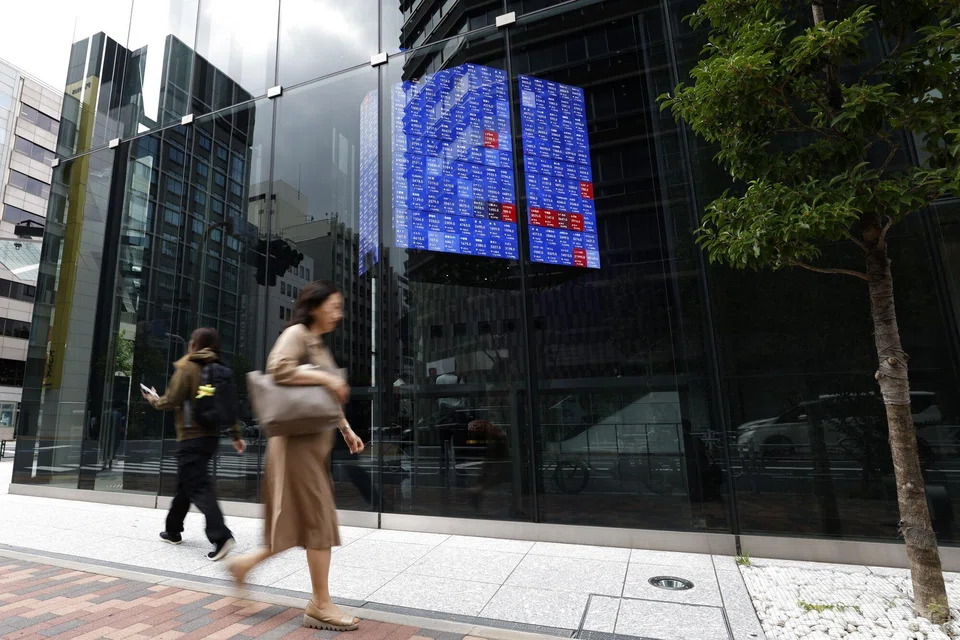
[HONG KONG] Asian markets edged slightly higher on Friday (Dec 26) amid holiday-thinned trade, though some exchanges remained closed for the Boxing Day holiday.
Gold continued to hover around its record high and silver reached US$75 an ounce for the first time, as US military and economic pressure on Venezuela persisted.
Regional stocks extended their upward rise after Wall Street saw US shares close at a record high this week. Most markets across the world were shuttered on Thursday for Christmas.
Tokyo, Shanghai, Seoul and Taipei all rose on Friday.
Many markets extended their year-end rallies as analysts projected a “Santa Claus rally”, the phenomenon where prices tend to rise during the last five days of December and the first two days of the new year.
The changes came after traders in New York pushed the S&P 500 to an all-time high before the Christmas break in response to figures showing the world’s top economy expanded 4.3 per cent in the third quarter.

Gold continued to push above US$4,500 an ounce, while silver hit its record, with US-Venezuela tensions adding to expectations that the Fed will keep cutting rates next year.
Geopolitical worries have grown as Washington pressures Caracas with a blockade of sanctioned oil vessels sailing to and from Venezuela. AFP
Decoding Asia newsletter: your guide to navigating Asia in a new global order. Sign up here to get Decoding Asia newsletter. Delivered to your inbox. Free.
Share with us your feedback on BT's products and services