

Asia markets in sell-off mode, triggered by US recession fears
Tokyo’s Nikkei 225 led the selloff, with a 12.4 per cent plunge – its worst single-day rout since the 1987 Black Monday

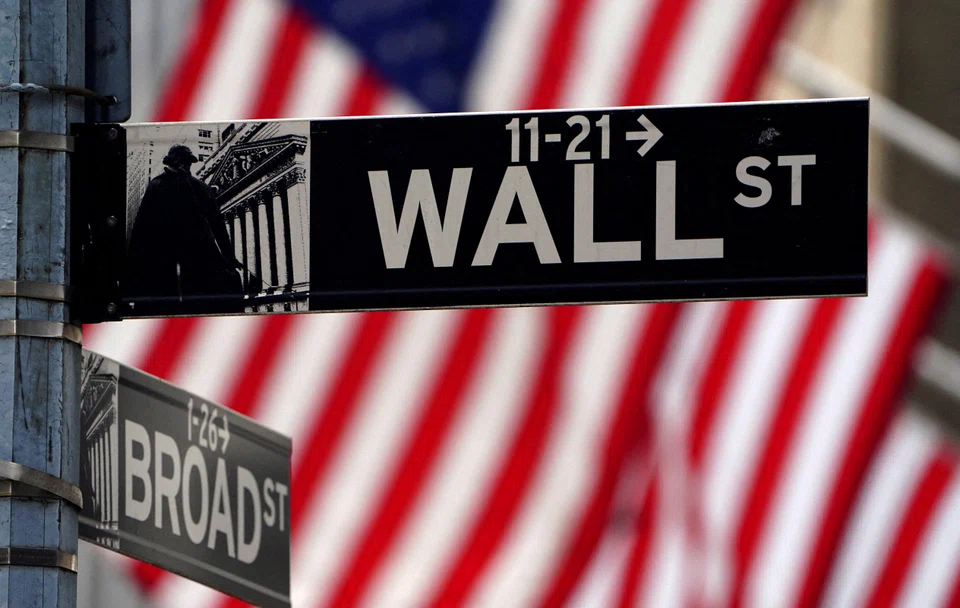
ASIAN markets started the trading week in a sell-off, with tickers flashing red as investors scurried for the exit, cued by last Friday’s dismal employment data from the US.
From Tokyo to Taiwan, none in the Asia-Pacific on Monday (Aug 5) were spared the rout, sliding between 1.5 per cent and 12.4 per cent. It was a volatile trading day for many key benchmarks, with a few recovering at midday only to concede more ground after the noon break.
The CBOE Volatility Index or the VIX – commonly regarded as the market’s “fear index” – spiked over 75 per cent during Asian trading hours on Monday.
Tokyo’s Nikkei 225 led the sell-off, having plunged 12.4 per cent at closing bell – its worst single-day rout since the 1987 Black Monday. The gauge at one point narrowed the drop from 7 per cent to 4.6 per cent in early morning trading but the decline resumed in the afternoon.
The Chinese bourses were not as badly hit, logging declines of only 1.5 per cent for the Shanghai Composite Index and Hang Seng Index. The smaller drops might have been due to improving purchasing managers’ index for the Chinese services sector, having risen to 52.1 points in July from 51.2 points in June, data published on Monday showed.
Asia’s rout arrived hot on the heels of the meltdown on Wall Street last Friday, following a report showing US hiring slowed markedly while the unemployment rate rose to 4.3 per cent, the highest in nearly three years.
The rise in the jobless rate caused its three-month moving average to exceed the 12-month low by half a percentage point. According to the Sahm rule – devised by former Fed economist Claudia Sahm – that means a recession is under way.
In a report published on Monday, DBS Group Research noted that the US gross domestic product, trade, and labour force figures are “not alarming”, even as signals from hiring, retail sales and purchasing managers’ index are negative.
“It is crucial to maintain perspective,” economists at the research house said. “We are not joining the herd in pricing in rate cuts of 75-100 basis points in the second half of 2024. Fifty basis points would be adequate.”
Asian currencies rose against the US dollar, capitalising on declining US Treasury yields and general greenback depreciation. Yields on 10-year Treasuries sank nearly 40 basis points last week, the largest weekly fall since March 2020, and were last at 3.75 per cent.
The yen was one of the best-performing currencies on Monday as it surged to seven-month highs against the US dollar to about 142.30, up nearly 2 per cent.
The ringgit also rebounded to a 15-month high against the Singapore dollar at 3.35 and 4.42 against the greenback.
Meanwhile, crude oil futures reached eight-month lows at one point on Monday as concerns about a potential recession in the world’s largest economy outweighed worries over Middle East tensions affecting supply. ICE Brent crude oil traded at nearly US$75 a barrel while WTI crude oil slipped to US$72.






