

Asia: Most markets rise but Taiwan fears keep confidence in check
 Add BT as a preferred source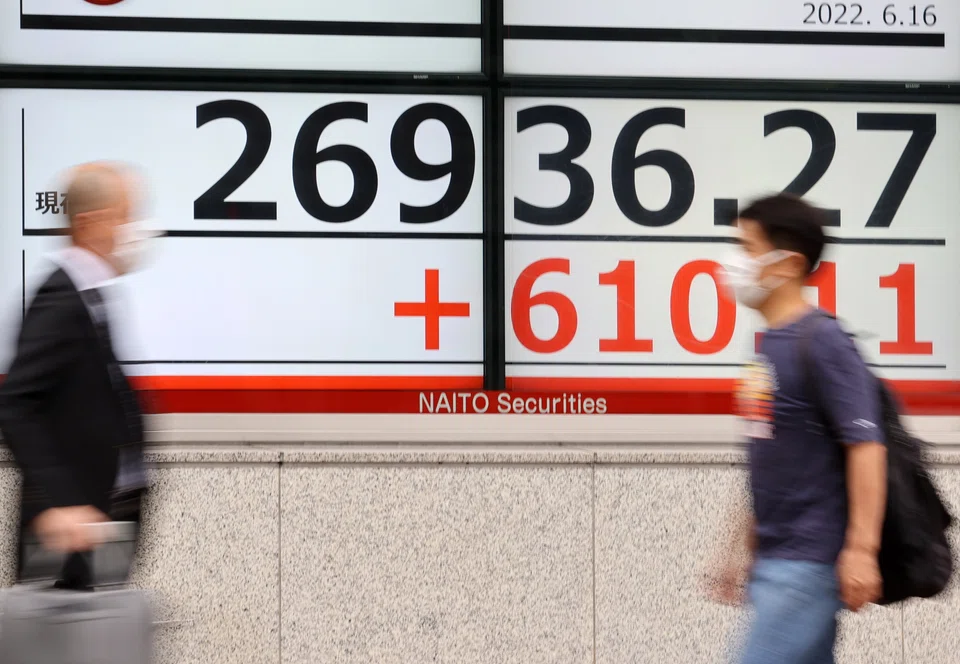
ASIAN markets mostly rose on Wednesday after the previous day’s reverse, with focus on House Speaker Nancy Pelosi’s visit to Taiwan, which has further strained already tense China-US ties and raised concerns about the long-term impact on the global outlook.
The highest profile trip to the island in 25 years by a US politician was met with condemnation from Beijing, which warned of serious economic and military consequences.
Taiwan said more than 20 Chinese military aircraft had flown into the island’s air defence identification zone – an area wider than its territorial airspace that overlaps with part of China’s air defence zone.
The People’s Liberation Army was also due to conduct a series of drills.
Beijing views the self-ruled island as part of its territory to be seized by force if necessary.
No one expected it would spark a conflict, but the crisis sent shivers through trading floors that were already on edge over a range of issues including the Ukraine war, surging inflation, rising interest rates and slowing economic growth.
However, ahead of a meeting between Pelosi and Taiwan President Tsai Ing-wen most markets saw a recovery, with Hong Kong and Shanghai among the best gainers.
Tokyo, Singapore, Seoul, Wellington and Manila were also up but Taipei, Sydney and Jakarta edged down.
The “short-term implication may be ‘sell the rumour, buy the news’ as the official response so far remains much more restrained versus what the market has feared,” Xiadong Bao, at Edmond de Rothschild Asset Management, said.
“But the mid/long-term implication can be more significant, which may be currently overlooked by the market. The official return of the US influence in Asia-Pacific will inevitably accelerate US-China decoupling.”
Analysts are also keen to find out what the White House’s response will be, particularly ahead of mid-term elections in November with anti-China rhetoric playing well with voters, but with President Joe Biden keen not to further harm economic ties.
SPI Asset Management’s Stephen Innes added that the US administration was probably not likely to cut Trump-era tariffs before then.
The positive start to the day in Asia followed a drop on Wall Street, where the Taiwan crisis was compounded by a series of hawkish comments from Federal Reserve officials indicating more big interest rate hikes could still be in the pipeline.
Stocks rallied last week and Treasury yields dropped after boss Jerome Powell hinted the bank could begin slowing down, but the latest remarks suggest a hoped-for dovish pivot might not be coming just yet as inflation remains stubbornly high.
The latest developments have raised concerns that the volatility on markets would likely continue for some time.
“It’s hard to see any meaningful upside in equities right now,” said Xi Qiao, of UBS Group. “The market is going to trade pretty mixed, stay choppy until we have a little bit more certainty,” she told Bloomberg News. AFP
Decoding Asia newsletter: your guide to navigating Asia in a new global order. Sign up here to get Decoding Asia newsletter. Delivered to your inbox. Free.
Share with us your feedback on BT's products and services
TRENDING NOW

Malaysian tycoon Vincent Tan’s sell-downs point to pruning rather than an exit plan

Simba ordered to pay S$700,000 in damages to indoor skydiving operator Altitude Xperience for trespass
What’s wrong with Orchard Road? Experts weigh in on the street’s cachet and its future

As luxury retail goes big, can Singapore’s Orchard Road keep up?

