

Asia steps up currency defence as South Korea, Indonesia vow action
Authorities are also guarding against speculative activity in offshore markets
[MUMBAI] Asian authorities are ramping up their currency defence as high energy costs and bets that the Federal Reserve will raise interest rates pressure them.
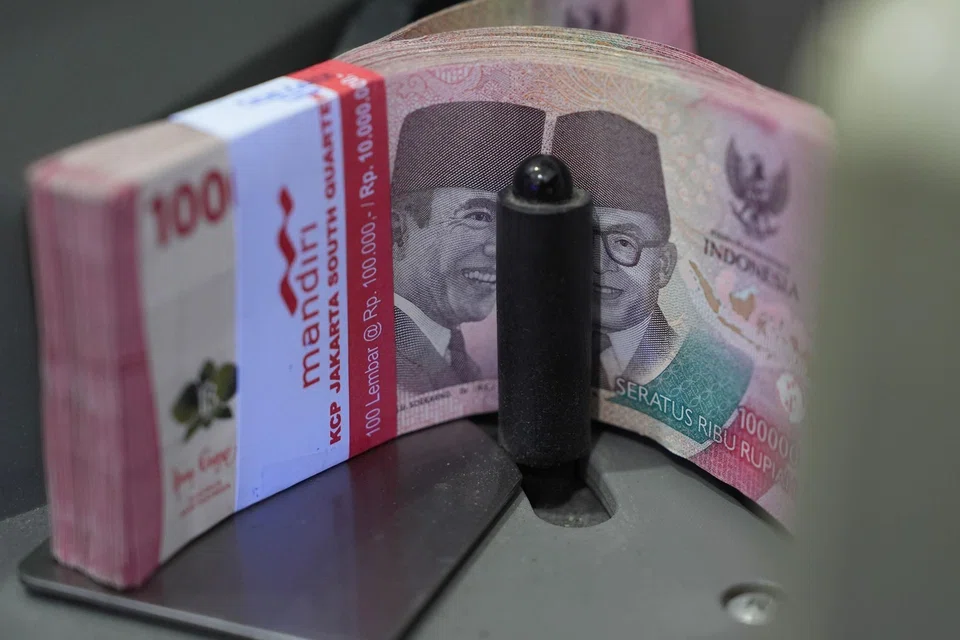
South Korea on Thursday (Jun 4) vowed to curb excessive volatility as the won fell to near the lowest against the US dollar since 2009. Bank Indonesia also said that it’s intensifying interventions to stabilise the rupiah, which had dropped to a record low.
Japan said on Wednesday that it was prepared to respond to forex moves as the yen weakened to levels around where authorities intervened to prop it up in late April. The Bank of Japan is set to consider a 25-basis-point rate hike this month, according to sources familiar with the matter.
In India, the government plans to reduce taxes and remove caps on the ownership of some bonds to draw inflows as the rupee hovers near record lows.
“Tough and fast-market conditions mean regional central banks and authorities are on high alert,” said Wee Khoon Chong, senior Apac market strategist at BNY. “Regional FX has been pressured by a strong US dollar and elevated oil prices as well as foreign capital outflows.”
The spate of warnings and intervention highlight the challenge policymakers face as the region suffers from its oil dependency and inflationary pressure erodes the appeal of risk assets.
While monetary authorities in Indonesia and the Philippines have raised interest rates to support their currencies against the US dollar, there’s growing expectation that the US will also have to hike to deal with inflation, with Dallas Fed president Lorie Logan the latest to flag the possibility.
A Bloomberg gauge of Asian currencies fell for a fourth straight day on Thursday, with the won and rupiah leading the losses.
Authorities are also guarding against speculative activity in offshore markets. Bangko Sentral ng Pilipinas asked banks to ensure that non-deliverable foreign-exchange derivatives transactions are used strictly for legitimate economic purposes.



The Reserve Bank of India (RBI) has also been actively intervening in the offshore currency markets, with its net short US dollar book close to a US$100 billion.
RBI governor Sanjay Malhotra said last month that the rupee may be undervalued, and authorities would take necessary measures to curb speculation in the market. The RBI’s rate decision is due Friday. While it is expected to hold rates, traders will be watching for any moves to boost capital inflows. BLOOMBERG
Decoding Asia newsletter: your guide to navigating Asia in a new global order. Sign up here to get Decoding Asia newsletter. Delivered to your inbox. Free.
Share with us your feedback on BT's products and services






