Asia stocks edge lower as South Korea, Japan benchmarks decline
The MSCI Asia Pacific Index slips 0.2%
 Add BT as a preferred source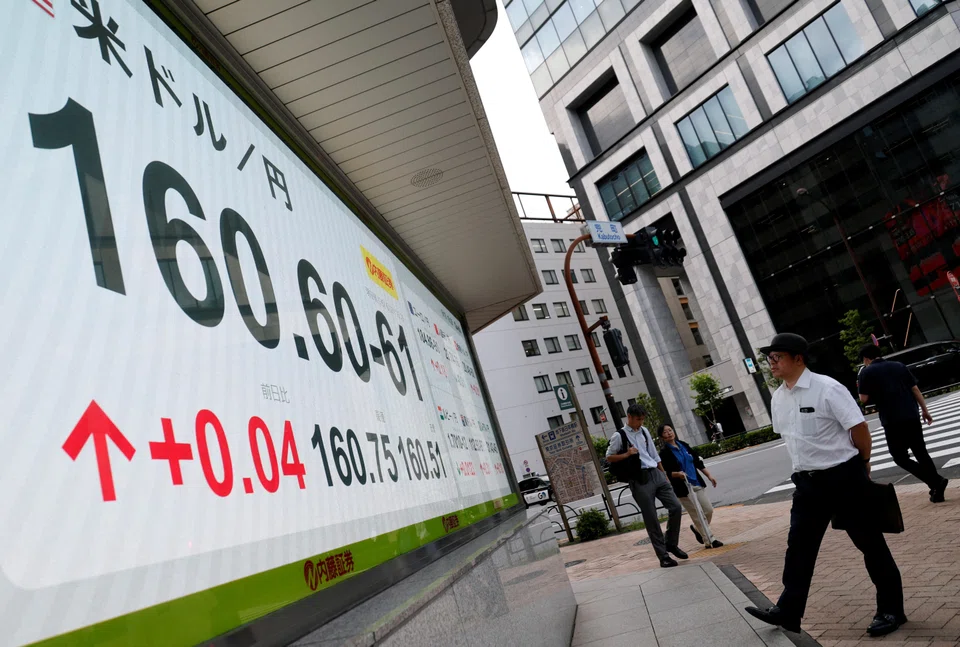
ASIAN stocks edged lower as renewed geopolitical tensions pushed oil prices higher, reviving inflation concerns and expectations for further monetary tightening.
The MSCI Asia Pacific Index slipped 0.2 per cent, with equity benchmarks in South Korea and Japan declining.
Among the main moves across markets, the S&P 500 futures were little changed as at 9.04 am Tokyo time. Hang Seng futures fell 0.4 per cent, Japan’s Topix dropped 0.3 per cent and Australia’s S&P/ASX 200 declined 0.4 per cent.
The S&P 500 Index fell 0.3 per cent on Monday, while a gauge of US chip stocks advanced. The tech sector remained in focus after Nvidia said it is investing US$3.5 billion in MediaTek, deepening its collaboration with the Taiwanese chipmaker.
Elsewhere, Brent crude extended gains in early Asian trading to over US$91 a barrel after renewed fighting in the Middle East.
The US and Iran exchanged strikes for the first time in about a month as American forces hit an island in the Strait of Hormuz and the Islamic Republic responded by launching attacks on the United Arab Emirates and Jordan.
Rising energy costs weighed on Treasuries, lifting yields on the 10-year three basis points to 4.75 per cent during the New York session – the highest level since January 2025.
The flare-up in Middle East tensions dimmed prospects for a normalisation of shipping through Hormuz, keeping oil prices elevated and adding to inflation concerns.
Money markets have increased bets on a September interest rate hike after US Federal Reserve chair Kevin Warsh underscored his commitment to bring down inflation at Jackson Hole last week, putting increased focus on this week’s employment report.


“With traders tracking geopolitical volatility as well as potential seasonal volatility, it will be interesting to see which market impulse from last week might carry over to this week,” said Chris Larkin at E*Trade from Morgan Stanley.
“Unexpectedly strong labour market data might be taken as bad news by the market, since it could reinforce expectations for a rate hike.”
The August US payrolls data is expected to be consistent with general steadiness in the labour market that is helping the Fed focus more intently on its battle with inflation.
Friday’s jobs report “will be critical”, though the Sep 11 consumer price data will be even more important given Warsh’s view that the US economy is at full employment, said JPMorgan Chase & Co’s Andrew Tyler.
He has shifted to a “tactically cautious” view on US stocks for the next few weeks, but expects a strong backdrop will persist amid economic data and earnings.
“Given the stimulative effects of higher rates and yields, we have to see a decent amount of financial distress from borrowers rolling over debts or taking on new loans to make rate increases restrictive,” Edward Harrison, Bloomberg macro strategist.
‘Until we actually get that distress and the subsequent cooling, the outlook is decidedly worse for bond investors than equity investors,” he said.
In other corners of the market, gold held its losses from the past two days, trading around US$4,450 an ounce.
Rising rates are a headwind for the non-yielding metal, which still gained about 9.7 per cent in August. A Bloomberg gauge of the US dollar fell 0.2 per cent on Monday.
In Asia, traders will be closely monitoring the yen as the Japanese currency traded just below 160 versus the US dollar, raising the risk that authorities may enter the market again to slow its decline.
While the currency strengthened slightly on Monday, the yen has still unwound more than half the gains it made during a record bout of intervention that began in late July.
Separately, US Treasury Secretary Scott Bessent told Japanese Finance Minister Satsuki Katayama and Bank of Japan governor Kazuo Ueda that further interest rate hikes were needed, NHK reported, citing an interview with a US official.
Japan’s 10-year benchmark yield closed Monday just six basis points shy of 3 per cent, a level not seen since 1996.
Meanwhile, South Korea’s won is seen extending its rally as the nation’s chip firms bring in capital from overseas to expand their production, according to BNP Paribas. BLOOMBERG
Decoding Asia newsletter: your guide to navigating Asia in a new global order. Sign up here to get Decoding Asia newsletter. Delivered to your inbox. Free.
Share with us your feedback on BT's products and services