

Asian tech stocks rebound after Nvidia upheaval
Upheaval at Nvidia is testing the AI trade without derailing the broader investment boom
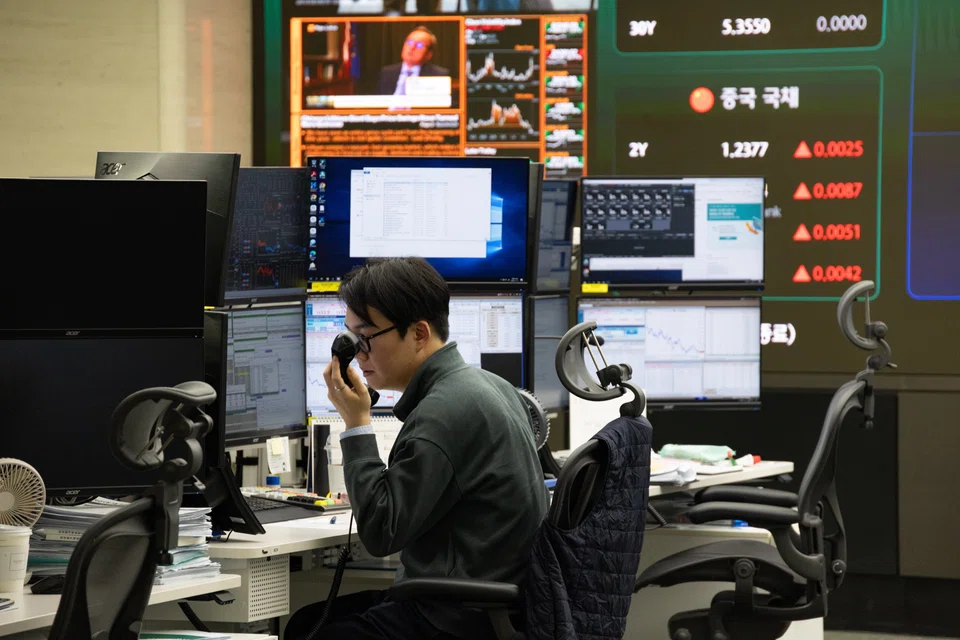
ASIAN stocks edged higher as investors eased back into technology shares amid fading concerns that a leadership crisis at Nvidia may derail the broader artificial-intelligence trade.
The MSCI Asia Pacific Index rose 0.4 per cent, led by a gain of over 2 per cent for South Korean shares. US equity futures also advanced, with Nasdaq 100 contracts up 0.4 per cent and those for the S&P 500 gaining 0.3 per cent after both underlying benchmarks fell on Thursday (Nov 12).
Nvidia, the company at the heart of the AI boom, dropped as much as 14 per cent after chief executive officer Jensen Huang was ousted, but dip buyers stepped in, leaving it just 4.3 per cent lower by the close.
US oil broadly held its gains, trading around US$88.50 a barrel after President Donald Trump said the US could forgo a deal with Iran.
US Treasury yields mostly held near Thursday’s highs as traders braced for faster Federal Reserve rate hikes, while a gauge of US dollar strength was little changed. Gold steadied after a three-session decline and Bitcoin traded around US$71,100.
The upheaval at Nvidia is testing the AI trade without derailing the broader investment boom. Instead, it may make investors more selective, favouring companies best placed to benefit from continued spending.

“This is going to be a more differentiated story and players that have stronger balance sheets that are more focused on doing the hard work of that community engagement are likely to be the winners in this next stage of the build-out,” Mike Pyle, deputy head of BlackRock’s Portfolio Management Group, said in an interview on Bloomberg Television.
That shift was already evident on Wall Street. Shares of Broadcom and Advanced Micro Devices, which compete with Nvidia in parts of the AI chip market, rallied over 5 per cent as investors sought potential beneficiaries from the industry leader’s setback.
Nvidia’s market capitalisation briefly dropped below US$4 trillion with revelations about Huang’s extramarital affairs, including one with a suspected Chinese spy, rattling investors ahead of earnings.
SEE ALSO



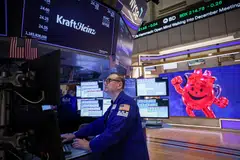
A related probe into suspected spy Alice Huang and efforts to smuggle Super Micro Computer products to China sent that company’s shares down as much as 16 per cent, the most in more than five months.
“Nvidia’s earnings already demand close attention, but they will be under an even brighter spotlight next week,” said Bret Kenwell at eToro. “Investors will be looking to Nvidia for a fresh read on demand and a reason to regain confidence.”
Two other events next week may provide a broader test of appetite for the AI trade: Anthropic’s highly anticipated IPO and CoreWeave’s plan to raise at least US$4 billion through an investment-grade loan offering. Strong institutional demand for Anthropic suggests appetite for AI exposure remains robust.
In Asia, traders will also be watching the yen after it weakened past 160 per US dollar for the first time since September, reviving the prospect that Japanese authorities may intervene to support the currency.
“Markets are jittery about potential FX intervention whenever we approach the 160 area,” said Win Thin, chief economist at Bank of Nassau 1982.
Higher oil prices added to pressure on Treasuries, extending a sell-off sparked on Tuesday by hotter-than-expected inflation and signals that Fed officials may favour more aggressive rate hikes. Policy-sensitive two-year yields edged lower after climbing 14 basis points on Thursday.
On Thursday, Fed New York president John Williams said that US inflation remains high and that policymakers have to take further action to contain price pressures.
“Investors continue to pencil in more rate hikes,” said Gennadiy Goldberg, head of US interest rates strategy at TD Securities. While setbacks for US technology shares – which benefited Treasuries last month – “could short-circuit the bearish move at some point, the macro underpinnings are the ones driving Treasuries right now.” BLOOMBERG
Decoding Asia newsletter: your guide to navigating Asia in a new global order. Sign up here to get Decoding Asia newsletter. Delivered to your inbox. Free.
Share with us your feedback on BT's products and services
TRENDING NOW

Microsoft outage drags on for hours, disrupting Outlook, Teams for thousands
Singtel H1 net profit falls 55% to S$1.54 billion on lack of divestment gains; underlying profit up 10%

Singapore bars Alice Huang, woman tied to affair with Nvidia’s Jensen Huang, for misleading police

Stocks to watch: Singtel, ST Engg, Genting, First Resources, Golden Agri, CDG, Bumitama, Food Empire

