

Asian stocks rise as Nvidia-backed CoreWeave rallies; Kospi up 4.6%
This is powered by gains in semiconductor and other technology stocks
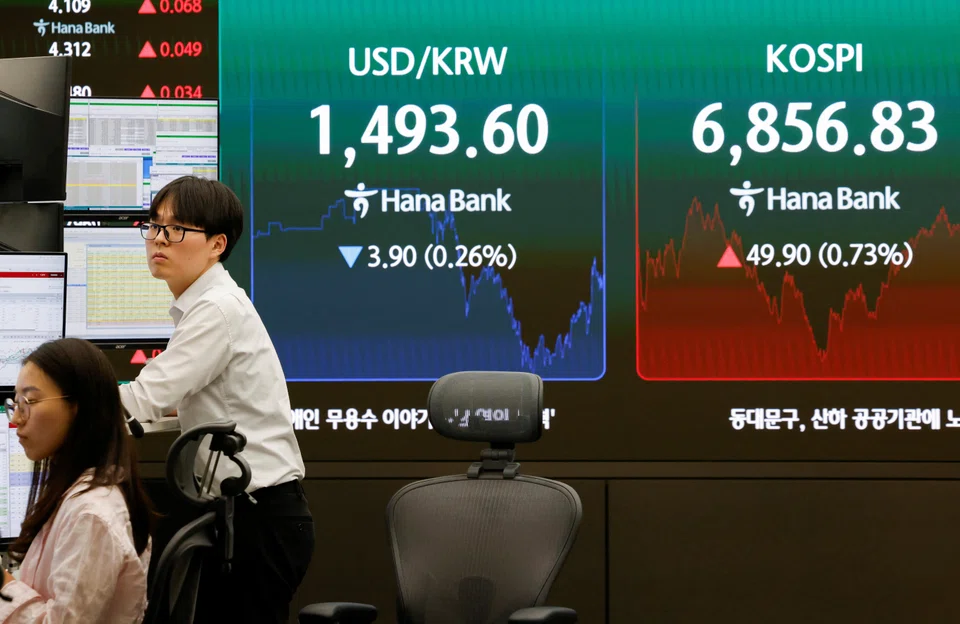
ASIAN stocks rose, buoyed by technology shares, as strong earnings from technology companies lured investors back into the artificial intelligence trade.
The Kospi Index – a bellwether for AI investments – rallied 4.6 per cent, with Samsung Electronics and SK Hynix both jumping about 7 per cent amid optimism over their shareholder return policy.
MSCI’s Asia Pacific equities gauge climbed 0.7 per cent, powered by gains in semiconductor and other technology stocks.
Among the main market moves, S&P 500 futures rose 0.1 per cent as at 12.58 pm Tokyo time.
Japan’s Topix rose 0.6 per cent, Australia’s S&P/ASX 200 fell 0.7 per cent, Hong Kong’s Hang Seng fell 1.2 per cent and the Shanghai Composite rose 0.3 per cent.
Nvidia-backed CoreWeave surged 16 per cent in extended trading after booming AI spending drove stronger-than-expected sales growth.
Super Micro Computer rallied 7.6 per cent in the post market as its revenue forecast topped estimates. Those gains helped spur a 0.3 per cent advance in futures contracts for the Nasdaq 100.
“The earnings season we’ve seen so far has provided some comfort, especially within the tech trade,” Christina Woon, a portfolio manager at Eastspring Investments, said in an interview to Bloomberg Television.
Elsewhere, crude oil climbed as traders remained wary about the prospects for a Middle East deal. Global benchmark Brent rose 1.2 per cent to US$90 a barrel, extending its rally to a sixth day – the longest winning streak since April.
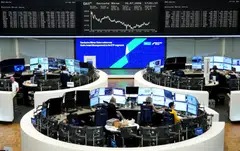

The advance in oil came as the US and Iran both appeared to harden their positions in the long-deadlocked negotiations over the Strait of Hormuz, despite Pakistan’s defence minister saying the two countries are “close to some sort of arrangement”.
Oil’s gain tempered the mood in the run-up to crucial US inflation data later on Wednesday, as investors weighed persistent geopolitical risks against uncertainty over the US Federal Reserve’s next move on interest rates.
Hopes for a breakthrough in Middle East negotiations was damped after optimism about an imminent deal boosted risk assets last week.
“As each day passes without a resolution, market angst is steadily increasing,” Tim Waterer, chief market analyst at KCM Trade, wrote in a note.
“Traders are growing more concerned that both sides are advancing demands that only add complexity and therefore reduce the likelihood of a workable deal materialising in the near term.”
Elsewhere, the yen was little changed around 159.43 per US dollar.
Investors are watching the currency as it approaches the key level of 160, which may trigger Japanese authorities to intervene again. The US dollar weakened against most of its G10 peers.
Treasuries steadied with the yield on the benchmark 10-year note little changed at 4.69 per cent. Gold recovered from Tuesday’s losses to gain 0.7 per cent to about US$4,400 an ounce.
An Asian gauge of tech shares climbed 2.6 per cent, while a regional benchmark of chip-related stocks rose 1.8 per cent.
“Earnings will be the key,” Kinger Lau, chief China equity strategist at Goldman Sachs Group, said in an interview to Bloomberg Television.
“Outperformance for the internet sector in July was mainly driven by valuation recovery but now we are at the point when we should start to focus on earnings again.”
Later on Wednesday, the US consumer price index print is expected to show that energy-related pressures have eased after intensifying in the months immediately following the start of the Iran war.
The headline gauge probably rose 0.1 per cent in July following a 0.4 per cent decline in the prior month, based on the median projection in a Bloomberg survey of economists ahead of Wednesday’s Bureau of Labor Statistics release.
A softer reading may help alleviate some concern after three officials at the Federal Open Market Committee (FOMC) dissented in July in favour of raising interest rates.
“Today’s inflation print is likely to be pivotal for September FOMC pricing, while a range-bound US dollar continues to favour carry trades,” OCBC strategists including Moh Siong Sim wrote in a report. BLOOMBERG
Decoding Asia newsletter: your guide to navigating Asia in a new global order. Sign up here to get Decoding Asia newsletter. Delivered to your inbox. Free.
Share with us your feedback on BT's products and services
TRENDING NOW
Singapore expects all parties to honour commitments, says PM Wong after Indonesia cuts gas exports

Gas Supply may pursue remedies if contract breached following Indonesia’s export cuts: Tan See Leng
SoftBank’s Son plans US$50 billion Malaysia tech outlay: Anwar Ibrahim

Is Manila Asia’s new dining hot spot?

