

Australia: Banks, miners drag shares down ahead of US inflation data
 Add BT as a preferred source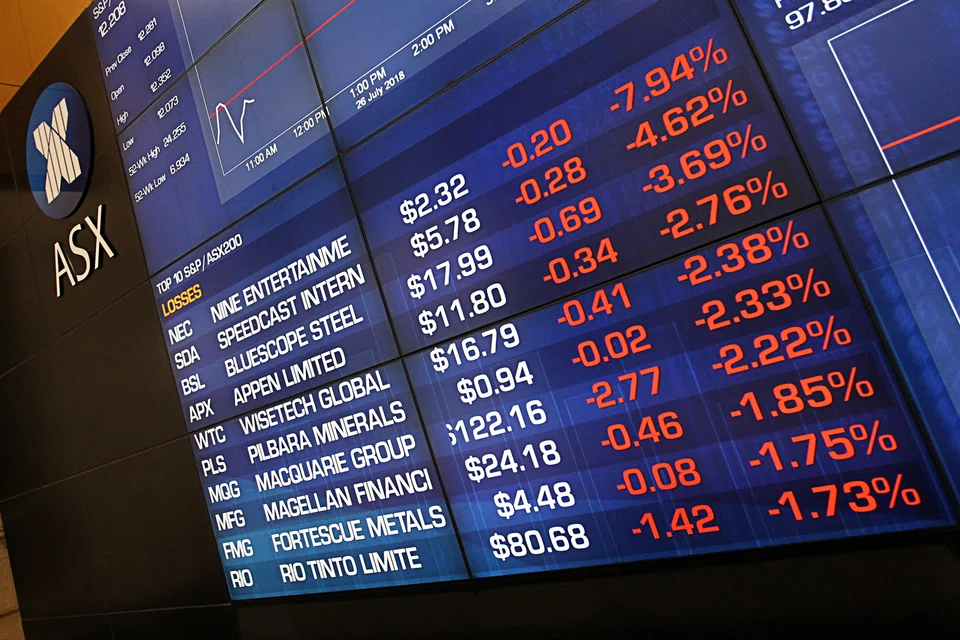
AUSTRALIAN shares slipped on Thursday, snapping a four-day winning streak, with mining and financial stocks weighing the most, as investors maintained a cautious stance and awaited key US inflation data for clues on the pace of rate hikes.
The S&P/ASX 200 index was down 0.5 per cent at 6,954.8 points, as of 2340 GMT. The benchmark closed 0.6 per cent higher on Wednesday. Domestic equities tracked Wall Street lower as investors focused on US midterm election results and inflation data due later in the day for more clarity on the pace of the Federal Reserve’s aggressive tightening.
Australian energy stocks lost nearly 2 per cent, being the top percentage loser in the benchmark. Index majors Woodside Energy and Santos dropped 3.1 per cent and 2 per cent, respectively.
Oil prices plunged on Wednesday after industry data showed that US crude stockpiles rose more than expected and on concerns that a rebound in Covid-19 cases in top importer China would affect fuel demand.
Local mining index also traded in red, with giants BHP Group, Fortescue Metals and Rio Tinto declining between 1.9 per cent and 2.6 per cent. The index lost around 1.8 per cent, and was the biggest drag in the benchmark.
Financials dropped 0.6 per cent, with all “Big Four” banks losing between 0.3 per cent and 2 per cent. Asset manager Perpetual rejected a sweetened US$1.19 billion buyout offer from EQT-owned Barings Private Equity Asia and Regal Partners.

Bucking the sombre mood, shares of Origin Energy, Australia’s no.2 power producer, soared as much as 40.3 per cent after the company backed an A$18.4 billion (S$16.5 billion) non-binding buyout offer from a consortium led by Canada’s Brookfield Asset Management. New Zealand’s benchmark S&P/NZX 50 index fell 0.2 per cent to 11,117.49 points. An internal review of New Zealand’s central bank decisions over the past five years found that easing in monetary policy was largely warranted over the pandemic but that with hindsight monetary policy should have been tightened earlier in 2021. REUTERS
Decoding Asia newsletter: your guide to navigating Asia in a new global order. Sign up here to get Decoding Asia newsletter. Delivered to your inbox. Free.
Share with us your feedback on BT's products and services
TRENDING NOW
DBS, OCBC and UOB shares hit all-time highs as sentiment improves

Targeted credit relief: Vietnam steers funding to Vingroup, Sun Group, Masterise megaprojects

E-commerce job cuts signal S-E Asia’s shift from scaling to deeper user engagement

Employers want AI-fluent employees. Hiring them is the challenge

