

Australia: Techs, banks pull shares lower on recession risks
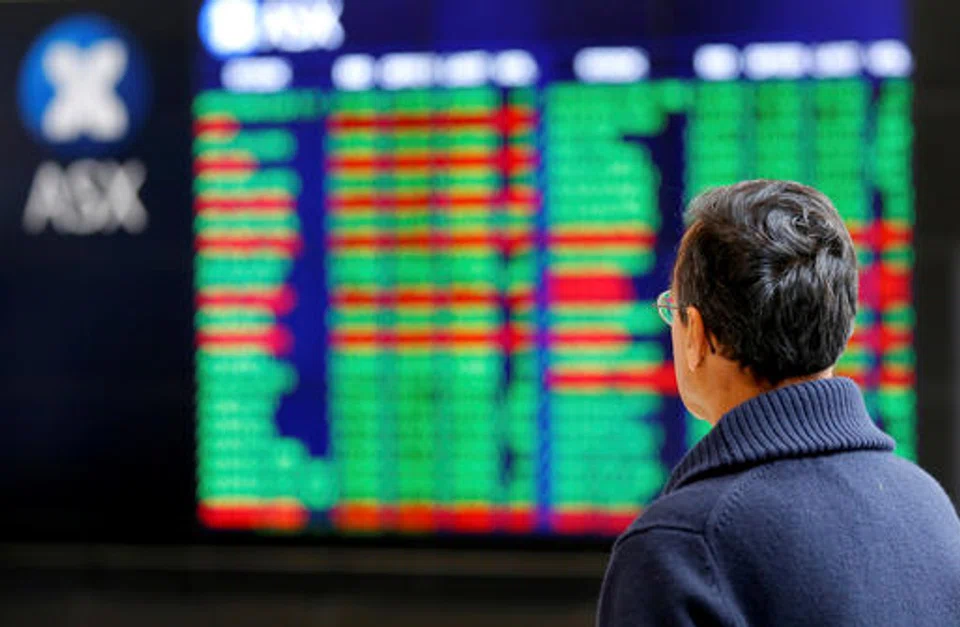
AUSTRALIAN shares ended lower on Wednesday (Sep 28), with technology and financials leading losses, as the market was dominated by worries that rising interest rates to tackle inflation would spark a global recession.
The S&P/ASX 200 index ended 0.5 per cent lower at 6462 points. The bourse closed 0.4 per cent higher on Tuesday.
Market participants globally continued to be spooked by the US central bank’s narrative of more rate hikes and to raise rates by another percentage point.
Surging inflation and slowing growth do not augur well for riskier assets, as a result of which investors may seek refuge in safe-haven assets.
“Markets are looking for signs of stability in either growth or inflation as central banks push the hawkish narrative,” Kerry Craig, global market strategist from JPMorgan said.
Financial shares fell the most after a 0.8 per cent drop, with the country’s largest banks slipping in the range of 0.4 to 1.2 per cent.
The technology index followed suit, which slipped about 1.6 per cent, tracking peers on Wall Street. Accounting service provider Xero and ASX-listed shares of Block lost 3 per cent and 0.6 per cent, respectively.
The mining index also bore the brunt, shedding about 0.7 per cent, despite rising iron ore prices in China with index leaders Rio Tinto and Fortescue Metals falling 0.4 per cent and 2.4 per cent, respectively.
Australia’s August retail sales rose 0.6 per cent on a monthly basis, beating analysts’ forecast of a 0.4 per cent jump, but investors appeared to show scant response to the positive data.
This could, however, give the Australian central bank more impetus to raise rates by another 50 basis points next week.
“Retail sales were greater than expected, but lower than the previous release which potentially indicates that rate rises are starting to flow through in the reduction of consumer demand,” Azeem Sheriff, a market analyst from CMC Markets said.
New Zealand’s benchmark S&P/NZX 50 index fell about 0.8 per cent to finish the session at 11,119.6. REUTERS
Decoding Asia newsletter: your guide to navigating Asia in a new global order. Sign up here to get Decoding Asia newsletter. Delivered to your inbox. Free.
Share with us your feedback on BT's products and services
TRENDING NOW
Singapore identifies 7 firms responsible for haze fires, notices issued urging action: Grace Fu

Could stablecoins be the future of money?

Singapore should prepare for prolonged haze until November, says Grace Fu
High Court rules against Julius Baer’s Singapore trust arm in US$50 million family trust dispute

