

China: Stocks mixed ahead of global index inclusion, IPO wave
 Add BT as a preferred source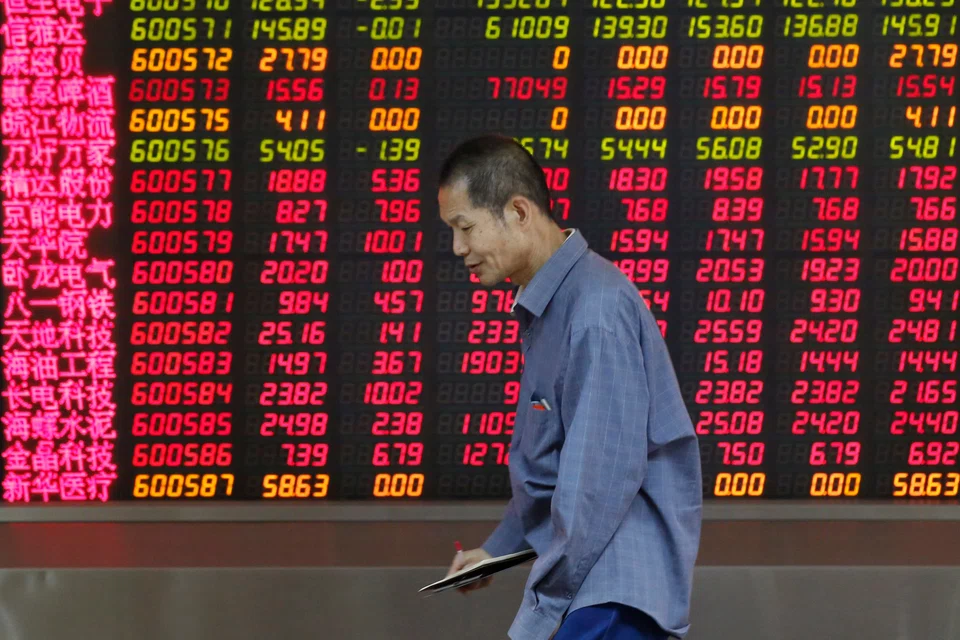
[SHANGHAI] China stocks ended mixed on Wednesday, giving a lukewarm welcome to FTSE Russell's reception of mainland-listed equities into its indexes ahead of a fresh flood of new share offerings.
The CSI300 index of the largest listed companies in Shanghai and Shenzhen fell 0.3 per cent, to 5,181.43, while the Shanghai Composite Index gained 0.6 per cent, to 4,941.71 points.
Index provider FTSE Russell said after Tuesday's market close that it would launch two transitional indexes that include China A shares - a staggered approach that would bring local Chinese shares into its global emerging markets benchmark in two to three years.
Analysts said that the launch of the indexes, which will have an initial weighting of 5 per cent for China A shares - would have limited impact on China's stock market.
There are signs, however, that after the recent strong rally, some investors are taking profit, while others are reducing holdings before a wave of initial public offerings (IPO).
Next week, 23 companies including nuclear giant China National Nuclear Power Co Ltd will start taking IPO subscriptions. Some analysts expect this to freeze nearly 5 trillion yuan (S$1.09 billion) of liquidity.
But investors got some comfort from economic data showing Chinese industrial sector profits in April had their first annual rise since September, seen as evidence by some that China's economy could be bottoming out.
Military sector stocks remained bullish, after Beijing on Tuesday outlined an ambitious defence strategy.
Defence-related firms including China Satellite and Sichuan Chengfei Technology Integration surged for a second day.
REUTERS
Share with us your feedback on BT's products and services
TRENDING NOW

National Day Rally: 8 things to know, from more childcare leave to higher BTO income ceiling

Stocks to watch: Mapletree Industrial Trust, OUE, OUE Healthcare

When every phone becomes a satellite phone, what happens to Asia’s telcos?

UltraGreen.ai’s big slump: Was it the Singapore market that failed the company, or vice versa?

