

China's regulator cracks down on using feng shui to predict stock market trend
 Add BT as a preferred source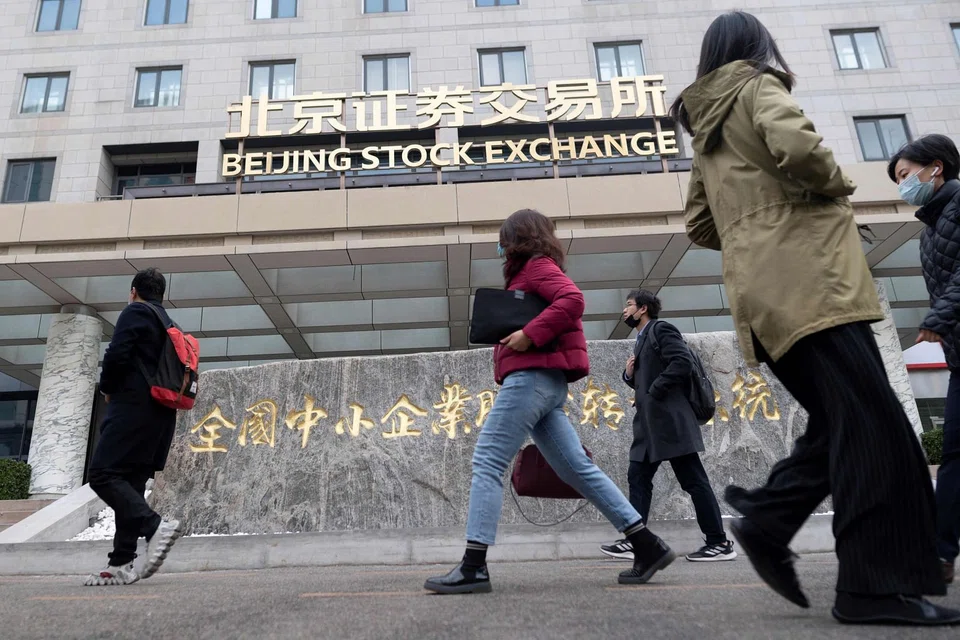
DeeperDive is a beta AI feature. Refer to full articles for the facts.
[SHANGHAI] China's securities regulator launched a crackdown on brokerages using feng shui to predict stock market trends in their research notes or investment advisory businesses, state-owned media reported on Wednesday.
China Securities Regulatory Commission said it holds "zero tolerance" towards illegal behaviour in the stock market and has punished some brokers who analysed, forecast, or offered investment advices by applying aspects of feng shui such as the heavenly stems and earthly branches, also known as tiangan dizhi, Yin-Yang, and Five Elements, according to the official China Securities Journal.
The newspaper did not offer more details or name any of the brokerages that were fined by the regulator.
Some Chinese brokerages, including Guosheng Securities and Essence Securities, have received warning letters from the regulator over the past year after they released reports by applying feng shui to form their investment strategies, according to statements on the regulator's website, as some of these notes prompted wide market discussion.
The latest crackdown also came at a time that Chinese stock markets are experiencing higher volatilities, with the blue-chip CSI 300 Index losing about 14% so far this year.
Hong Kong-based brokerage CLSA publishes a tongue-in-cheek Feng Shui Index ahead of the Lunar New Year that uses the Chinese zodiac to predict stock performance and remains popular among investors. REUTERS
Decoding Asia newsletter: your guide to navigating Asia in a new global order. Sign up here to get Decoding Asia newsletter. Delivered to your inbox. Free.
Copyright SPH Media. All rights reserved.
TRENDING NOW
Singaporeans can now buy record amount of yen per Singdollar

Beijing’s calculated silence on the Iran war

China pips the US if Asean is forced to choose, but analysts warn against reading it like a sports result

StarHub hands Ensign InfoSecurity control back to Temasek in S$115 million deal, books S$200 million gain

