‘Dim sum’, ‘panda’, ‘kangaroo’: Why foreign borrowers are flocking to Asia-Pacific bond markets
Chinese onshore ‘panda’ and offshore ‘dim sum’ yuan bond sales hit record highs in the first half
[LONDON/SYDNEY/HONG KONG] Foreign borrowers are ploughing into once-niche Asia-Pacific bond markets, demonstrating that it is not just Big Tech grabbing funding wherever it can in a world of rising uncertainty and record borrowing.
Germany’s Commerzbank, French utility Engie, Persil-owner Henkel, Singapore Airlines and the Portuguese government have this year sold bonds denominated in Australian dollars and China’s onshore and offshore yuan for the first time.
In fact, “kangaroo” bond sales from foreign issuers in Australian dollars are at a record high of around A$60 billion (US$42 billion) so far in 2026, up roughly 40 per cent from 2025, LSEG data tracking internationally placed deals to late July shows.
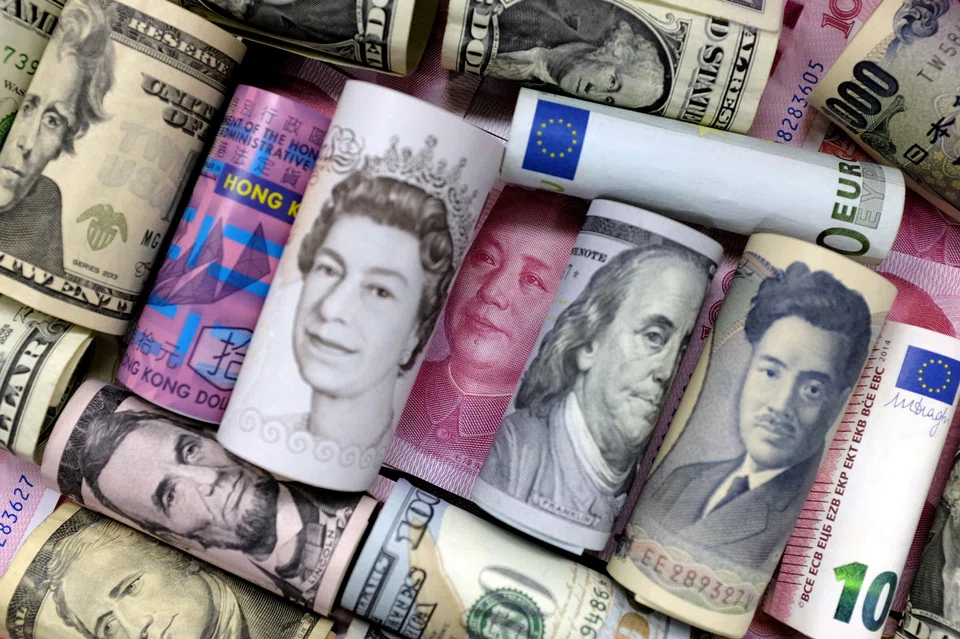
Hong Kong dollar issuance is also at a record high. Chinese onshore “panda” and offshore “dim sum” yuan bond sales reached record highs of around 160 billion yuan (US$24 billion) and 350 billion yuan, respectively, in the first half, rising more than 60 per cent compared to this time in 2025, according to Goldman Sachs, with half of it coming from international borrowers.
“We’ve reached a tipping point where these markets have tipped over into being significantly more meaningful both to local names and inevitably to international names,” said Carla Goudge, head of debt syndicate, Asia-Pacific at HSBC. “It’s an option that simply wasn’t available in such meaningful size on a regular basis a few years ago.”
Even bond sales in the yen, a more established funding currency, have doubled in 2026 by foreign borrowers, according to LSEG.
Google-parent Alphabet’s record bond sale has been a big driver, but even without it, they are at a seven-year high.
The Asian rush is one way issuers are diversifying their funding sources as the artificial intelligence investment boom and high government deficits boost borrowing needs across US markets and beyond, bankers said.
Global international syndicated bond sales in 2026 reached a record above US$4 trillion by late July, according to LSEG, from around US$3.5 trillion in the same period last year.
SEE ALSO







“For most issuers that are issuing away from their core currencies, it’s often a function of larger funding programmes,” said Mizuho’s head of debt capital markets syndicate Emea, Hampus Falth.
Bankers have also been advising clients to act early and diversify their funding sources as competition for capital grows with hyperscalers rushing into the major bond markets they traditionally rely on for their borrowing, he added.
Supply and demand
Borrowing in Asian currencies has expanded in recent years.
Bankers say that reflects a structural rise in demand, whether from Asia’s broader financial wealth boom or Australia’s fast-growing pension fund assets.
Growing issuance in China also stems from Beijing’s push to internationalise its currency, prompting it to broaden the investor base for the more common dim sum bonds and making it easier to sell panda bonds and use their proceeds.
“As markets grow they can build a bit of momentum because there are more people who are more familiar with it,” Christopher Kent, assistant governor at Australia’s central bank, told a Reuters NEXT event on Aug 13.
“More investors come here to pick up these bonds and more issuers think that this is a good place to issue, for various reasons, and so you get a bit of growth and the growth then begets more growth.”
It is also a sign that investors are keen to diversify away from the US dollar. Asian investors and central banks who used to focus on US dollar debt are now also turning to Australian and Hong Kong dollars and even euros, Falth said, adding to the demand for the debt sales.
Beyond diversification, China and even Japan offer lower borrowing rates, attractive for firms with local operations that will keep the cash in those currencies.
German car manufacturers and European financial institutions are among the more active panda bond issuers, said Clifford Lee, global head of investment banking at Singapore’s DBS.
There are limits to how much borrowing such markets – considerably smaller than major markets like the US dollar and euro – can sustain. But that does not appear to be deterring the trend.
Brazil is set to sell its first ever panda bond later in 2026 and Kenya is also eyeing the market.
For those that swap their borrowing back into their own currency from currencies like the Australian dollar or the yen, pricing has matched what they can get from swapping euros or US dollars more often in 2026, Falth said.
Portugal, which raised almost 2 billion yuan in April from the first dim sum issuance by a eurozone government, swapped the cash back to euros with a small cost saving.
“The two main direct goals are diversifying (the) investor base and achieving a cost saving,” debt agency board member Rui Amaral told Reuters, adding the issuance may not be a one-off. REUTERS
Decoding Asia newsletter: your guide to navigating Asia in a new global order. Sign up here to get Decoding Asia newsletter. Delivered to your inbox. Free.
Share with us your feedback on BT's products and services