Europe: German DAX slides more than 2% after Russian gas shutdown
 Add BT as a preferred source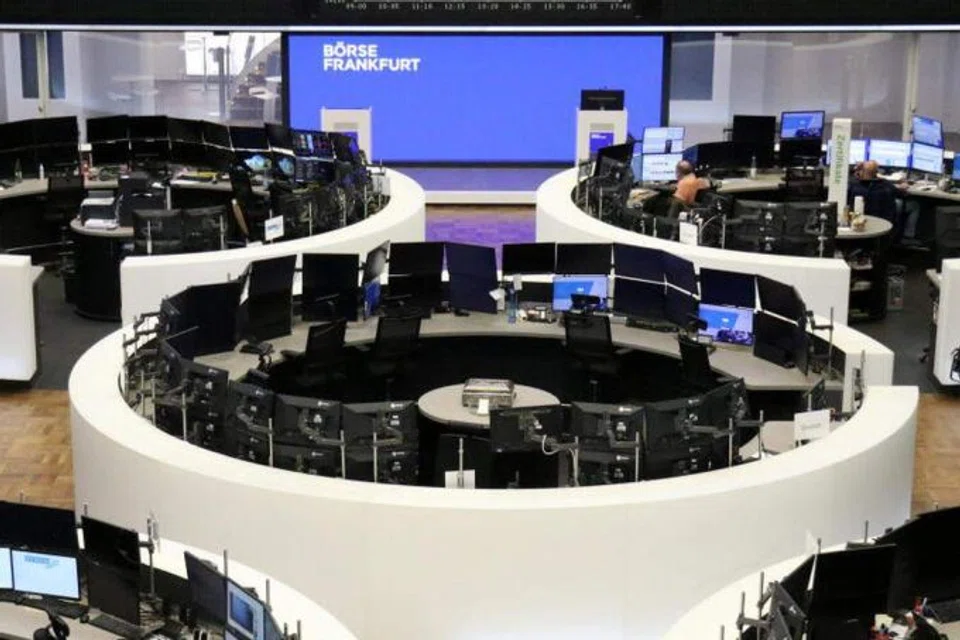
DeeperDive is a beta AI feature. Refer to full articles for the facts.
THE Germany’s DAX slid more than 2 per cent to lead declines among the European stock indexes on Monday after Russia stopped pumping gas via the Nord Stream 1 pipeline to Europe, sparking worries about surging energy prices and winter shortages in the region. The Europe-wide Stoxx 600 index closed 0.6 per cent lower, while Germany’s DAX index ended 2.2 per cent down to log its biggest one-day percentage fall in more than a week.
Gazprom announced late on Friday that the main pipeline to Germany would remain closed indefinitely, against expectations of a restart on Saturday after three days of maintenance work.
Shares of Germany’s biggest importer of Russian gas Uniper dropped 11 per cent, while its Finnish parent Fortum dipped 8.9 per cent and utility PNE slipped 4.1 per cent.
Uniper CEO said Europe’s biggest economy might consider gas rationing, while the German energy regulator said households will be prioritised if Berlin activates an emergency gas rationing plan but they won’t be able to heat private swimming pools or saunas.
“If supplies are not resumed soon, it is increasingly likely that gas rationing will occur in the winter, despite the recent increase in inventories and lower consumption,” Commerzbank economists wrote in a note.
“In that case, the recession already expected due to the massive rise in energy prices would be much more severe.”
Navigate Asia in
a new global order
Get the insights delivered to your inbox.
EU countries’ energy ministers are due to meet on Sept 9 to discuss options to rein in soaring energy prices including gas price caps and emergency credit lines for energy market participants, a document seen by Reuters showed.
Italian government bond yields led a rise in euro zone bonds on Monday, while the European benchmark gas contract soared 30 per cent at the open and the euro sank below to a new 20-year low below 99 cents – adding to price pressures since a weak currency lifts the cost of imports.
The Stoxx 600 stared at what could be another round of selling pressure this week as record high inflation and heightened bets of a large interest rate hike by the European Central Bank also added to the gloom.
Morgan Stanley’s bear case envisages a 19 per cent drop for the MSCI Europe index to 1,350 points, a scenario that would see a severe recession in Europe spilling over to the global economy and lead to a 25 per cent drop in the region’s EPS, a rate which is in line with traditional recessionary periods.
Data showed Germany’s services sector contracted for a second month running in August as domestic demand came under pressure from soaring inflation and faltering confidence.
Energy stocks were among the rare gainers in Europe, up 2.2 per cent amid rising oil prices.
European automakers slid 4.8 per cent after Morgan Stanley downgrade to underweight”. REUTERS
Decoding Asia newsletter: your guide to navigating Asia in a new global order. Sign up here to get Decoding Asia newsletter. Delivered to your inbox. Free.
Share with us your feedback on BT's products and services