Europe: Shares suffer worst week in 2 months; tech, retail fall
 Add BT as a preferred source
DeeperDive is a beta AI feature. Refer to full articles for the facts.
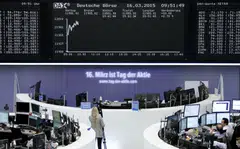
EUROPEAN shares chalked up their worst week in two months on Friday (May 6), with tech stocks and retailers feeling the brunt of selling on the prospect of bigger interest rate hikes to tame decades-high inflation.
The pan-European Stoxx 600 index fell 1.9 per cent, with retailers down 2 per cent and technology stocks off 2.4 per cent.
The retail index hit its lowest in 2 years after a string of weak earnings reports that highlighted the fallout from surging inflation, the Ukraine war and a fresh round of lockdowns in China.
Adidas dropped 3.6 per cent as it lowered expectations for 2022 sales, with renewed Covid-related lockdowns in Greater China hitting the German sportswear company.
Tech shares took cues from declines in growth stocks on Wall Street, which were dragged down by elevated US Treasury yields.
Data showed stronger-than-expected US jobs growth, exacerbating fears of bigger interest rate hikes by the Federal Reserve.
Navigate Asia in
a new global order
Get the insights delivered to your inbox.
The European Central Bank (ECB) is expected to raise interest rates later this year, with some analysts expecting a hike as early as July after recent record euro zone inflation readings.
“We agree with investors that the ECB is likely to raise interest rates by 25 bp (basis points) in July,” said Jack Allen-Reynolds, senior Europe economist at Capital Economics, warning the worst is yet to come for the euro zone economy.
“Shortages are likely to continue weighing on activity and higher inflation will eat further into real incomes.”
Meanwhile, a recession warning from the Bank of England weighed on UK stocks.
Oil & gas stocks were among the few gainers in Europe, up 0.5 per cent as crude prices traded above US$110 a barrel ahead of an impending European Union embargo on Russian oil.
Among other companies reporting results, ING Groep NV, the largest Dutch bank, fell 4.7 per cent as it posted worse-than-expected quarterly net income, including a surge in provisions for bad loans due to its exposure in Russia and Ukraine.
Danish medical device maker Ambu tumbled 11.8 per cent after providing a downbeat forecast for full-year earnings due to supply-chain issues and hospital labour shortages.
Spanish pharmaceuticals company Grifols gained 9.4 per cent as it reported the volumes of blood plasma it collected reached pre-pandemic levels in the first quarter.
Decoding Asia newsletter: your guide to navigating Asia in a new global order. Sign up here to get Decoding Asia newsletter. Delivered to your inbox. Free.
Share with us your feedback on BT's products and services