

European shares post worst day since March; Trump threat rattles Spanish stocks
Trump called Madrid a “terrible partner”
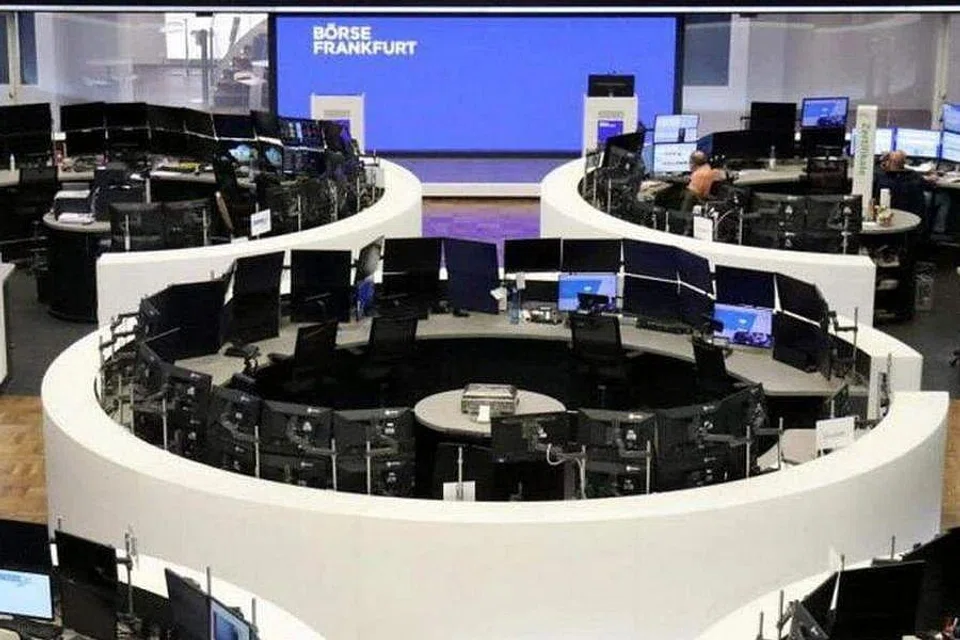
EUROPEAN shares posted their steepest one-day drop since mid-March on Wednesday after US President Donald Trump cast fresh doubt over peace prospects in the Middle East, rekindling worries about oil prices and inflation.
The pan-European Stoxx 600 index fell 1.8 per cent to 634.91 points, its lowest in a week.
The declines jolted investors who had grown more comfortable with regional equities in recent days, encouraged by signs of softer inflation and hopes that further rate hikes may not be needed. It also underscored that fragile geopolitics can still quickly unsettle markets.
“As far as I’m concerned, it’s just a waste of time dealing with them,” Trump said of Iran. The US and Iran also traded strikes, and Washington re-imposed sanctions on Iranian oil.
“We’re all frustrated with how things are going. But ultimately I think everyone, including President Trump, would like to see this behind us,” said Nick Niziolek, co-chief investment officer at Calamos Investments.
Spanish equities tumble
With a loss of 2.7 per cent, Spain’s IBEX index was the biggest loser among regional bourses.
The benchmark suffered its worst day since early March after Trump said he had ordered Treasury Secretary Scott Bessent to cut off all trade with Spain and called Madrid a “terrible partner.”
Niziolek, however, said he would not be making any adjustments to his portfolio based on the criticism. “As shocking as it sounds in the headlines, we’ve grown accustomed to these types of statements,” he said.

Across Europe, basic resources and construction and material stocks were among the biggest drags on the benchmark index, losing 4.4 per cent and 3.7 per cent, respectively.
Auto stocks also slipped 3.7 per cent, while a jump in crude prices lifted the energy sector by 1.9 per cent. Higher crude prices weighed on airlines including Air France and Wizz Air, which lost 6.6 per cent and 5 per cent, respectively.
“You’re likely to see downbeat sentiment spread. It’s a major setback just as nations around the world have been breathing a sigh of relief,” said Susannah Streeter, chief investment strategist at Wealth Club.
Markets had been paring expectations for another interest rate hike by the European Central Bank this year, and policymakers had flagged that growth and inflation risks were more balanced following the recent ceasefire.
However, following Tuesday’s developments, traders are now pricing in around 42 basis points of hikes this year, LSEG-compiled data showed, up from 25 bps on Tuesday.
Investors also kept a close watch on technology stocks globally, which have had a shaky start to July after a strong AI-driven June quarter. South Korean equities closed 20 per cent below a record high reached in June, confirming a bear market.
The tech-heavy Nasdaq closed below its 50-day moving average overnight, indicating weak short-term momentum. European technology stocks were mixed, with chip equipment maker ASML up 1.3 per cent and chip company Aixtron dropping 2.7 per cent.
Among individual stocks, Bahnhof jumped 17.1 per cent after telecom operator Telenor agreed to buy a controlling stake in the Swedish broadband provider in a deal valuing it at 6.1 billion Swedish crowns (US$629.7 million). REUTERS
Decoding Asia newsletter: your guide to navigating Asia in a new global order. Sign up here to get Decoding Asia newsletter. Delivered to your inbox. Free.
Share with us your feedback on BT's products and services
TRENDING NOW

Once staunchly pro-China, Malaysian Chinese businesses are now distancing themselves from Beijing
The middle power moment arrives in South-east Asia – but not for Asean

DBS, OCBC, UOB face rate hike reality check

Vietnam’s northern provinces, not Hanoi or Ho Chi Minh City, are powering near 10% GDP growth

