European shares pull back as fragile US-Iran truce weighs on sentiment
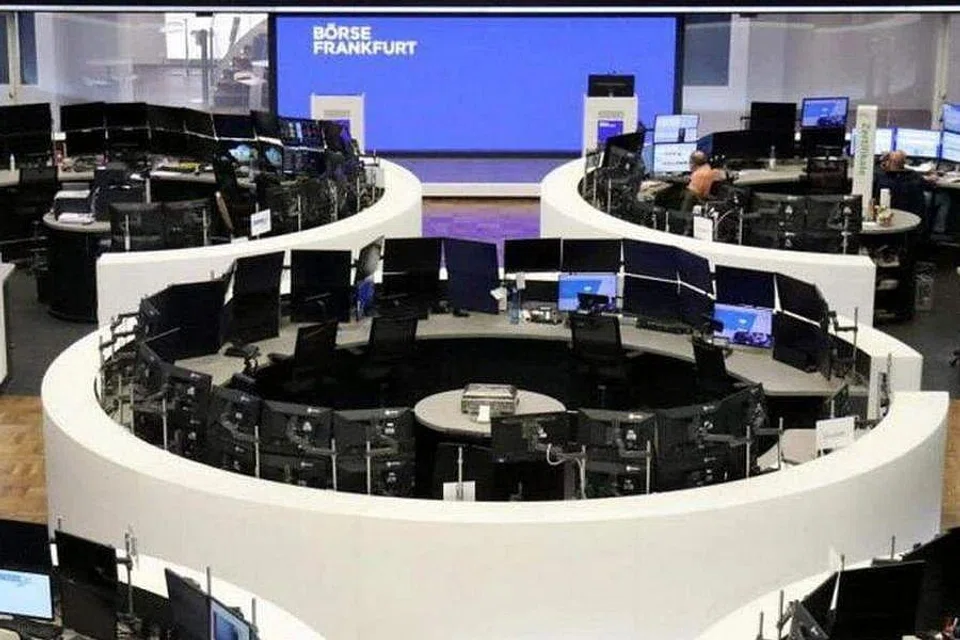
EUROPEAN shares retreated on Thursday, after their strongest rally in over four years, as investors remained wary about a fragile US-Iran ceasefire and its implications for oil prices and global inflation.
The pan-European Stoxx 600 index was down 0.15 per cent at 612.59 points, after paring earlier losses following reports Israel and Lebanon could start direct negotiations soon.
Major regional bourses were also lower, with Germany’s DAX down 1.1 per cent, while France’s CAC 40 fell 0.2 per cent.
European markets rallied on Wednesday after US President Donald Trump agreed to a two-week ceasefire, sparking optimism that oil and gas shipments through the crucial Strait of Hormuz might resume operations.
However, Israel continued military operations in Lebanon on Wednesday while Teheran did not lift its near-total blockade of the Strait leading to renewed concerns over the economic impact of the conflict.
“(Yesterday’s) rebound was very overdone given the fact that it is still just the two-week ceasefire and today obviously there is concerns over the durability of that ceasefire and the key focus for the market remains the Strait of Hormuz,” said Fiona Cincotta, senior market analyst at City Index.
“With or without a ceasefire, if the Strait remains closed, the economic impact of the conflict remains ... we’re seeing the market price in this caution.”
European markets have been under pressure since February when the conflict began, given the continent’s heavy reliance on oil imports and vulnerability to an energy shock.
The industrial sector weighed the most, down 0.5 per cent. Germany’s Siemens dropped 2.1 per cent while Airbus fell 2.5 per cent.
Travel, banks and technology stocks all traded in the red, after logging strong gains in the previous session.
Software and IT stocks came under pressure tracking their Wall Street peers. German software maker SAP dropped 6.8 per cent, hitting its lowest level since January 2024.
IT budget growth is set to slow to 2.6 per cent over the next 12 months with macro uncertainty potentially leading to delays in big projects, according to Citi’s quarterly survey of chief information officers.
The luxury sector dropped 0.7 per cent with heavyweight LVMH sliding 3 per cent.
Conversely, the energy sector gained almost 2 per cent as oil prices rose on the day.
Investors parsed official data that showed headline inflation in the US picked up on a monthly basis. Economists expect the surge in energy prices amid Middle East tensions to show up globally within inflation figures.
Traders scaled back expectations for the European Central Bank to hike rates following Wednesday’s ceasefire announcement, but still expect two quarter-point tightening moves before year-end.
Meanwhile, a European industry lobby group that includes alcoholic drink companies has asked India for an exemption from a 10 per cent import duty on glass bottles and aluminum cans. REUTERS
Decoding Asia newsletter: your guide to navigating Asia in a new global order. Sign up here to get Decoding Asia newsletter. Delivered to your inbox. Free.
Share with us your feedback on BT's products and services