

European shares slip on AI slowdown calls and inflation concerns
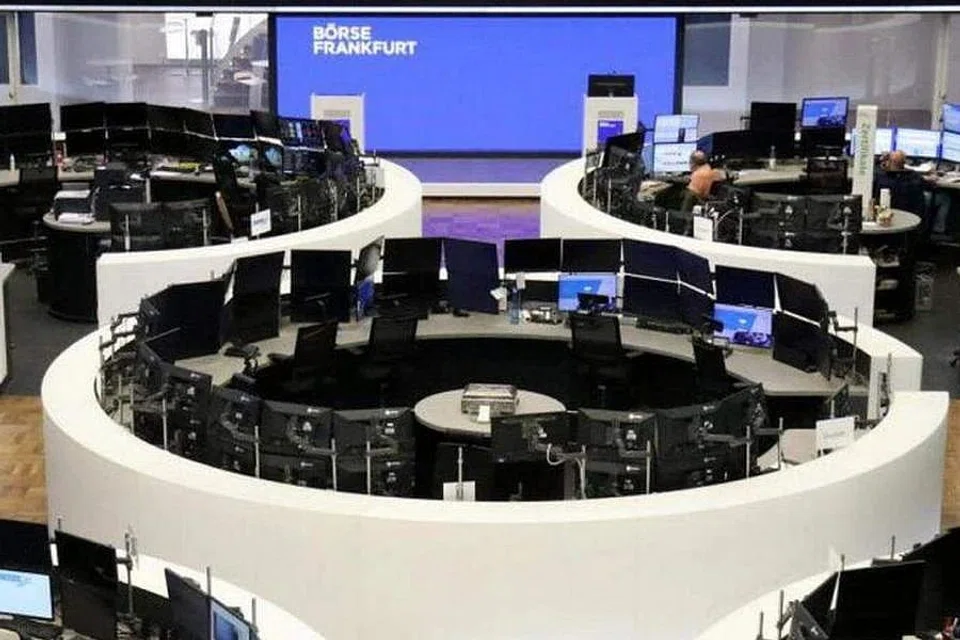
EUROPEAN shares fell on Monday (Sep 14) as technology stocks came under pressure after leaders of top AI companies pushed for a slower pace of development, while another surge in oil prices and global bond yields dampened broader risk appetite.
The pan-European Stoxx 600 was down 0.5 per cent at 635.99 points. Most regional markets declined, though London’s and Zurich’s indexes rose 0.4 per cent and 0.8 per cent, respectively.
Technology stocks were among the biggest losers, down 2.1 per cent, as AI-linked shares slid globally. Anthropic CEO Dario Amodei called on Saturday for companies to slow advances in AI model capabilities over misuse concerns, a view supported by xAI’s Elon Musk and OpenAI CEO Sam Altman.
France-based chipmaker Soitec was the Stoxx 600’s top decliner, falling 12.5 per cent.
Software stocks, however, gained. Octave Intelligence, Capgemini, Sage and Relx rose between 5 per cent and 7.5 per cent.
“These stocks were victims of the SAASpocalypse, on fears AI would wipe out their businesses,” said Chris Beauchamp, chief market analyst at IG.
“Those fears were overdone, but if the AI giants do put their foot on the brake, then the outlook for revenues for Sage, RELX and their SAAS brethren globally becomes much brighter, even if it only delays a longer-term loss of business.”
European miners fell 2.5 per cent, with miners of both base and precious metals declining as they tracked weakness in commodity prices.
Healthcare stocks bucked the broader trend to rise 2.7 per cent. GSK gained 4.7 per cent after reporting positive trial results for two lung cancer drugs, adding to the sector’s momentum.

Energy stocks were off 0.8 per cent, though crude prices jumped 2 per cent after fresh strikes on Saudi energy infrastructure and attacks on ships in the Middle East heightened supply concerns.
The recent oil spike has brought inflation worries up front, reinforcing expectations that central banks worldwide could increase interest rates this year. European economies are particularly vulnerable to surging oil prices as they rely heavily on imports.
ECB policymakers warned on Monday that euro zone inflation could exceed already high forecasts, while traders now price in at least one more 25-basis-point ECB increase by year-end after last week’s rate hike.
The developments sent government bond yields surging, with the 10-year bund, considered the region’s benchmark, at its highest since mid-2009. Meanwhile, US benchmark 10-year Treasury yields rose to the key psychological level of 5 per cent.
This week, the US Federal Reserve is widely expected to hike its main lending rate by at least 25 basis points — in contrast to a split chance between a hike and a pause seen just a week ago.
Elsewhere, Sweden’s centre-left opposition looked most likely to take power on Monday after a tight election that reduced the far-right’s influence. REUTERS
Decoding Asia newsletter: your guide to navigating Asia in a new global order. Sign up here to get Decoding Asia newsletter. Delivered to your inbox. Free.
Share with us your feedback on BT's products and services
TRENDING NOW

Government to bring forward raising of retirement age, give employers more financial support to create flexi-load jobs
If Europe goes to war, the fallout will be felt in East Asia

Indonesia stocks suffer worst plunge in nearly 30 years as MSCI proposes standalone status

Vietnam’s northern provinces, not Hanoi or Ho Chi Minh City, are powering near 10% GDP growth

