

European stocks close at three-month lows as surging bond yields hammer banks
The Stoxx 600 hit its lowest level in more than three months
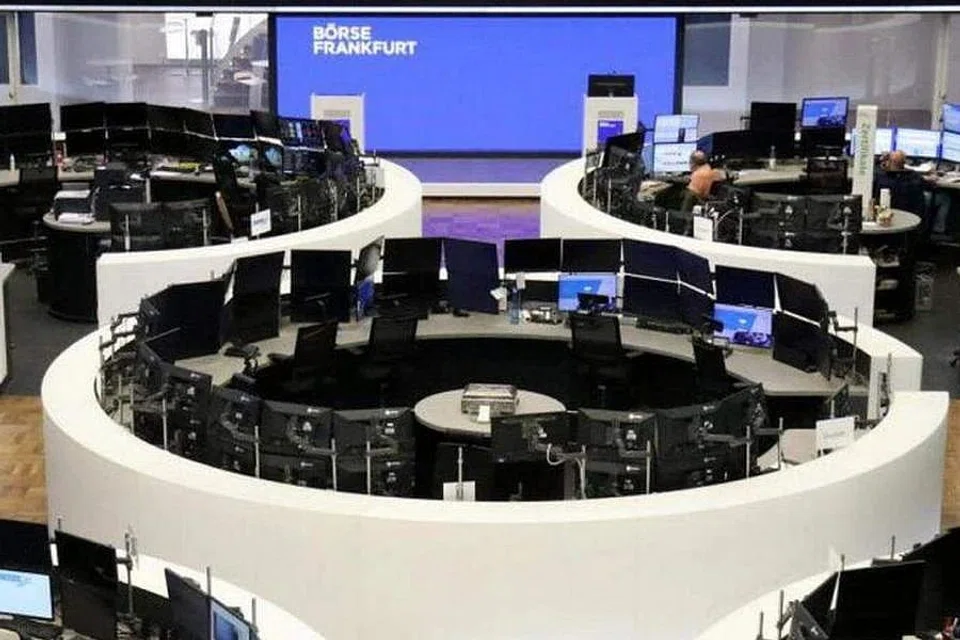
EUROPEAN shares started the final quarter of the year on a downbeat note on Thursday (Oct 1), with heavyweight banks marking sharp declines as global government bond yields hit multi-year highs.
The pan-European Stoxx 600 closed 1.3 per cent lower at 626.65, marking its biggest one-day drop in three weeks. It touched its lowest level in more than three months.
Most European sub-sectors declined. Banks registered their sharpest daily fall since Mar 3, down 3.7 per cent. UK banks HSBC and Barclays dropped 4.1 per cent each, and Lloyds lost 4.5 per cent as jitters mounted about Britain’s finances ahead of this month’s budget.
Global bond yields have surged in recent weeks as investors sold government debt, while soaring energy costs fuelled inflation concerns and the AI boom bolstered the economic outlook, reinforcing bets that interest rates could remain higher for longer.
Persistently high rates raise borrowing costs for companies and mortgage holders, while increasing governments’ interest burdens.
Germany’s 10-year government bond yield, the euro area’s benchmark, edged back 5.9 basis points after touching 3.6526 per cent earlier this week, its highest level since June 2009.
Meanwhile, the French 10-year government bond yield jumped to its highest level since 2002 in the build-up to the government’s presentation of its 2027 budget bill, which included unpopular belt-tightening measures. France’s CAC 40 fell 1.6 per cent.
“The problem markets are diagnosing is that despite rising inflation and bond yields, economic growth remains rather robust in crucial parts of the market. This means investors are expecting further rate hikes and this is negatively impacting both equities and fixed income,” Tim Armitage, investment strategist at Quilter Cheviot, said.
The outlook for equities remains closely tied to the path of interest rates, with investors assessing whether higher borrowing costs and elevated energy prices will outweigh signs of resilience in the euro zone economy.

Supporting the higher-for-longer rates narrative, data on Wednesday showed German inflation accelerated slightly more than expected in September. Separately, euro zone unemployment stood at 6.4 per cent in August, in line with economists’ expectations in a Reuters poll.
“For investors this might feel like an uncomfortable moment, with both bonds and equities struggling in recent days.... These are shorter-term risks and economies are holding up well in the face of tightening monetary policy,” Armitage said.
Oil prices held firm on the day as recovering Gulf crude exports and a surprise rise in US inventories eased supply concerns.
Among individual stocks, Zealand Pharma slumped 6.1 per cent after trial results for Boehringer Ingelheim’s obesity drug survodutide.
Capgemini jumped 7.3 per cent to top the Stoxx 600 following Accenture’s upbeat annual revenue growth forecast. The broader tech index gained 0.5 per cent. REUTERS
Decoding Asia newsletter: your guide to navigating Asia in a new global order. Sign up here to get Decoding Asia newsletter. Delivered to your inbox. Free.
Share with us your feedback on BT's products and services






