

Guesswork continues on timing of US rate hike
Traders will scrutinise the minutes of Fed's July meeting for clues on the likelihood of a September hike
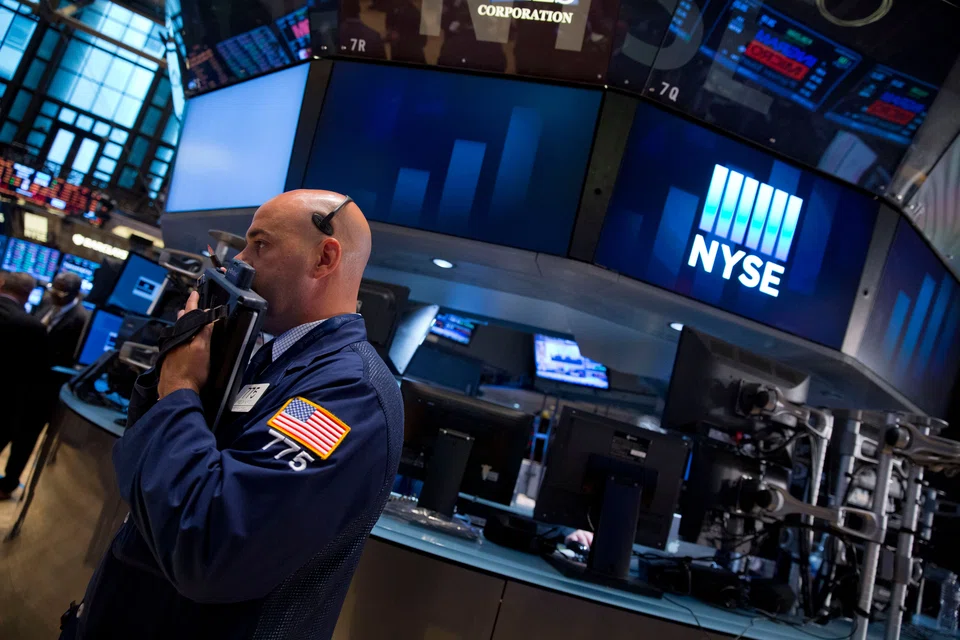
US stocks fell slightly last week after China's sudden devaluation of the yuan, and they are likely to swing back and forth this week as guesswork continues on the timing of the next interest-rate hike.
The Federal Reserve will publish the minutes of its July meeting midweek, and traders will scrutinise the text for clues on the likelihood of a September hike. Before Beijing's foreign-exchange intervention suggested the Chinese slowdown was worse than thought, most stock investors had positioned for a hike in September.
"Investors in general are becoming increasingly concerned about a September start to the Fed's first rate-tightening cycle in nearly 10 years," said Sam Stovall, chief equity strategist for Standard & Poor's Capital IQ. "In addition, income-investors in particular are worried about how the start to a slow, yet long, period of rising short-term interest rates will affect the price of their higher yielding stocks."
Fed chair Janet Yellen and other members have made it abundantly clear that a rate increase is likely this year. What's not clear, with three central-bank meetings left, is the exact timing. Stocks lurch back and forth by the day as the odds shorten or lengthen on what's become known as simply "September".
Traders have come to feel like soap-opera fans awaiting the final outcome of an on-again, off-again engagement between two lead characters.
After the yuan intervention on Monday, the stock market reacted as if the Fed would postpone the hike in response to the move. The financial stocks that were rising in anticipation of that September rate hike sold off, while the utility stocks that have the most to lose from a hike gained in value.
Odds on the timing change by the hour. Fed vice-chairman Stanley Fischer appeared to confirm this interpretation when he referred to the lack of inflation in the US economy. A few days later, however, New York Federal Reserve president William Dudley said that the Fed was ready to move in the "near future".
Another reason stocks have stalled this year is that several industries are in a state of transition. For years, bricks-and-mortar retailers have contended with the rise of online shopping. In the last two years, the old-line stores have lost some of their last remaining advantages in that battle.
Not everyone was willing to wait the weeks that it sometimes took to receive clothes or toys purchased online. But Amazon.com, which reported brisk earnings growth, and its peers are now pushing next-day delivery.
Macy's reported weak earnings, blaming, in part, a slowdown in tourist shopping, itself a hint that domestic customers are less likely to make the mall a destination than footloose overseas visitors. The mall was an American teens' hangout for decades, but the new generation do most of their hanging out digitally, playing social games such as Minecraft or just texting one another.
Amazon is also at the nexus of transformation in another industry: media. In the 20th century, media was an industry with many clearly defined silos. Hollywood studios made films; newspapers and TV networks circulated news reports; the networks and TV producers made TV shows. On the distribution side, cable companies and telephone carriers provided service.
Between them, Amazon and Google now do all of those things. They and Netflix pose an imminent threat to the cable-television industry. A shrinking number of people want to pay Comcast and Cablevision monthly fees for a package of television channels. That means advertisers will pay the producers of the TV shows less for slots in the commercial breaks. Walt Disney spurred a flight from the media sector earlier in the earnings season when it warned of weakening revenue at its cable channels, ESPN and the Disney Channel.
Among telephone-service providers, AT&T, Verizon, Sprint and T-Mobile US are already engaged in a bloody price war. Google recently launched a phone service of its own, and the telecom giants are worried that Silicon Valley will encroach on their turf.
And then there's the car. General Motors and Ford Motor have seen sales totals rival those that preceded the Great Recession. But their stocks have not followed suit. That's partly because Silicon Valley is now producing cars, too.
Tesla Motor is one of the strongest stocks of the last half decade, thanks to its electric sports cars. On Friday, The Guardian reported that Apple is close to launching a self-driving car, something an Apple executive once called "the ultimate mobile device". Apple is racing Google, Tesla and the conventional car makers to the first mass market self-driving car.
Google will soon be folded into a parent company known as Alphabet. The unit set to keep the Google name will work only on the well-established and highly profitable search, YouTube and Android businesses. Other units will focus on the experimental - and highly unprofitable - projects such as the self-driving car.
The shifts in the US economy will eventually manifest themselves on the stock market.
Until the Fed's meeting in September, however, the interest-rate obsession is likely to dominate.
"You'll hear many economists and many central bankers say it doesn't matter when the hike happens, what matters is the pace of rate hikes," said Quincy Krosby, Prudential's market strategist. "For traders, it does matter. They have positions, and they've got to get out or get in."






