

Japan, Korea stocks rise as Asian equities gain; tech leads, with bonds in focus
The MSCI Asia Pacific Index is up 0.6% after a key gauge of US semiconductor shares climbs
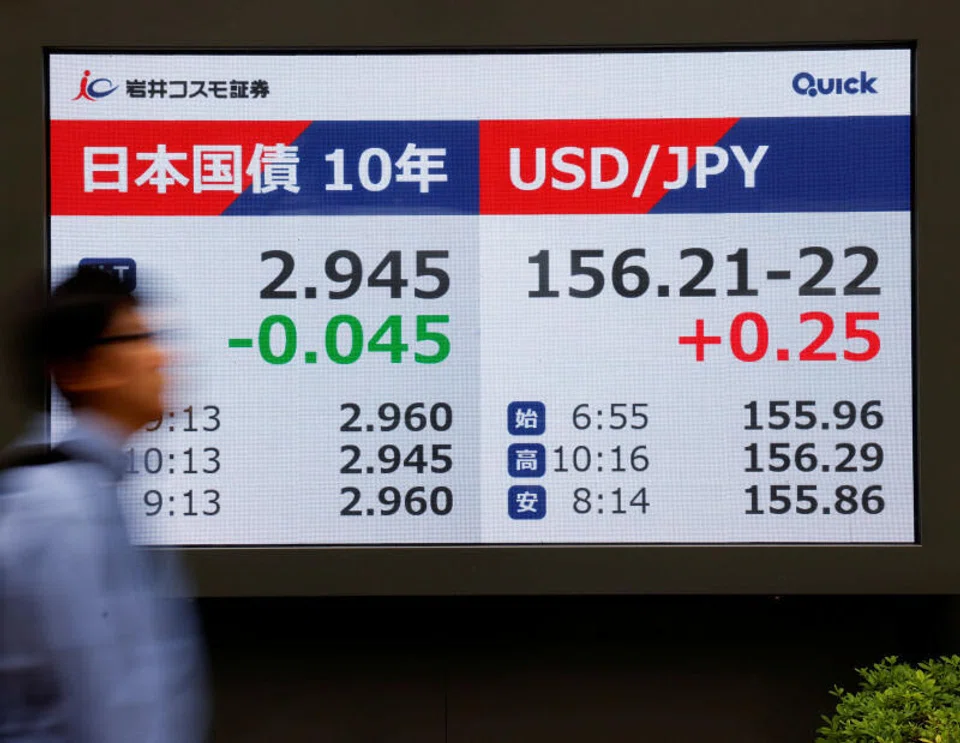
ASIAN stocks gained on Wednesday (Sep 30) for the first time in three sessions as technology shares advanced, while bonds remained in focus ahead of a crucial US inflation reading.
The MSCI Asia Pacific Index climbed 0.6 per cent with stocks in Japan and South Korea gaining.
Among the main moves across markets, S&P 500 futures rose 0.3 per cent as at 9.12 am Tokyo time. Hang Seng futures fell 0.3 per cent, Japan’s Topix rose 0.9 per cent and Australia’s S&P/ASX 200 was little changed.
The moves came after gains for a key gauge of US semiconductor shares, while US President Donald Trump rejected regulations on artificial intelligence.
Brent crude rose 0.6 per cent to US$103.25 a barrel after dropping 2.6 per cent in the previous session.
Prices fell as Saudi Arabia was said to have restored about half the capacity of its East-West pipeline following drone attacks.
The Trump administration also ordered another release from emergency reserves as US-Iran talks remained deadlocked.
Bonds drew attention after yields on the longest-dated Treasuries reached their highest since 2002.
New Zealand government bonds rallied after Treasuries ended mixed on Tuesday. The US two-year yield fell five basis points, while the 30-year yield climbed above 5.61 per cent.

Oil prices and US-Iran tensions remain key sources of uncertainty, with markets looking for clearer signs of progress in negotiations after conflicting signals in recent days.
Global bond yields have climbed to multi-year highs as elevated energy costs threaten to keep inflation persistent and reinforce expectations for further US Federal Reserve interest rate hikes.
“The sell-off in bonds can stop for one of the following reasons: a quick resolution of the US-Iran conflict, a material fall in stock prices driven by a slowdown in hard economic data, or lower earnings and forward guidance,” said Arjun Vij, a portfolio manager at JPMorgan Asset Management.
Yields on the Treasury’s longest-dated bond rose for a sixth straight day as investors demanded greater compensation to hold bonds amid concerns about persistent inflation, government spending and a surge in corporate borrowing to finance the AI build-out.
Against this backdrop, money markets are pricing a series of rate hikes over 2027.
“The long end does seem cheap by historical standards, and we have yet to see the big value buyer up here,” Michael Cloherty, head of US interest rate strategy at CIBC Capital Markets, said. “We’ve been waiting for more than a month and they’re absent.”
Elsewhere China unveiled mortgage subsidies and changes to bank lending policies, stepping up efforts to support an economy losing momentum.
Meanwhile, Federal Reserve Bank of New York president John Williams said another interest rate hike “late this year” may be appropriate to help bring inflation down, though he added there was no urgency to act after the central bank raised rates earlier in September.
Other policymakers also kept the prospect of further hikes in focus.
Fed governor Michael Barr repeated his warning that more increases may be needed to slow inflation, while Federal Reserve Bank of Chicago president Austan Goolsbee said the central bank must respond to supply shocks.
Meantime, US consumer confidence in September dropped to the lowest level since 2014 as views about the economy and the labour market deteriorated.
Job openings fell in August, suggesting employers grew more cautious about expanding their workforces towards the end of the summer, while layoffs remained subdued.
“The conflict in the Middle East and the implications for forward inflation remain the primary macro narrative and are likely to dictate price action in US rates for the foreseeable future,” said Ian Lyngen at BMO Capital Markets. BLOOMBERG
Decoding Asia newsletter: your guide to navigating Asia in a new global order. Sign up here to get Decoding Asia newsletter. Delivered to your inbox. Free.
Share with us your feedback on BT's products and services
TRENDING NOW

Grab CEO’s wife Chloe Tong on life with Anthony Tan and finding her purpose

Once staunchly pro-China, Malaysian Chinese businesses are now distancing themselves from Beijing

Crystal Jade Fine Dining faces charge for failing to file income tax return on time
UOB found ‘grossly negligent’ over Stamford Land rights issue advice, to pay S$1.9 million

