Malaysia index rejig puts tech, power stocks in focus for 2027
The country wants to develop its own chips, and has also emerged as a leading data centre hub in the region
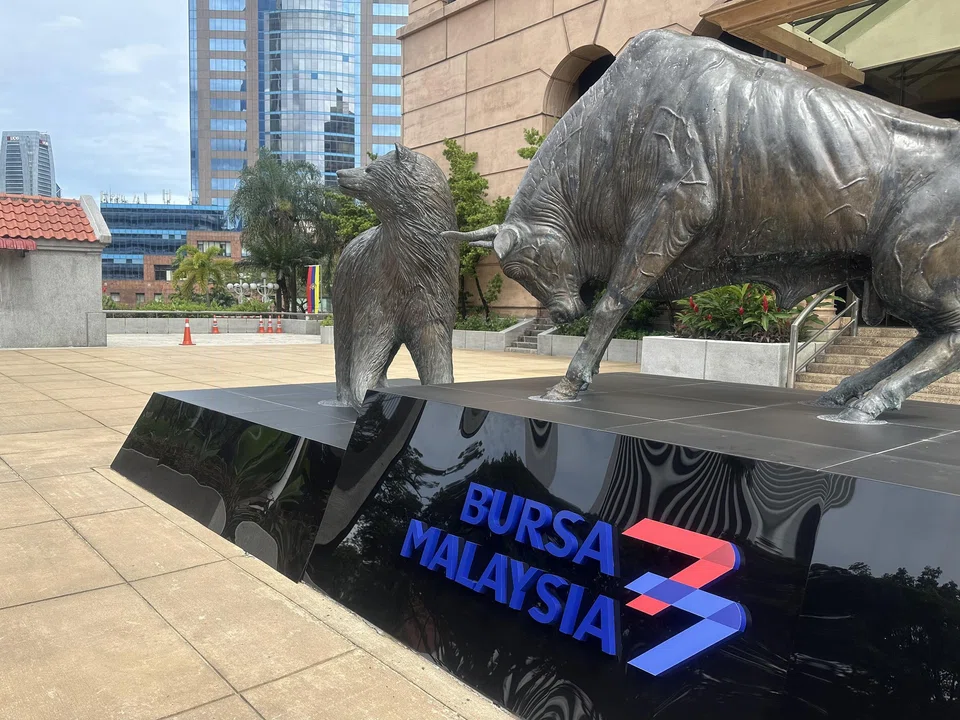
[PAKISTAN] Malaysia is gearing up for the first major overhaul of its equity benchmark in 17 years, a shake-up that may channel more investor money into technology and energy companies just as traders rethink the profitability of the artificial intelligence trade.
The FTSE Bursa Malaysia KLCI Index will expand to 50 stocks from 30, with new constituents selected based on full market capitalisation and other criteria. The additions will be announced Dec 3, ahead of a phased inclusion beginning later that month.
“The broader index gives investors a better representation of the Malaysian economy beyond just banks, plantations and utilities,” said Danny Wong, chief executive officer of Areca Capital. “Over a longer period, when the earnings growth and currency turn more attractive, this will improve the interest in KLCI.”
The revamp may reshape investment flows and reduce the benchmark’s reliance on banks and utilities, which account for nearly 60 per cent of the index’s weight.
FTSE Russell simulations suggest technology, energy and real estate companies may be added, potentially attracting more foreign money while increasing exposure to AI volatility and tighter US technology restrictions.
Malaysia’s export-driven economy has been a major beneficiary of the AI boom, with shipments reaching a record this year and electrical and electronic products accounting for more than half of the total.

Long a base for packaging and testing semiconductors for global companies, Malaysia is now seeking to develop its own chips. It has also emerged as one of South-east Asia’s leading data centre hubs, drawing investment from Oracle and Amazon.com to Alibaba and ByteDance.
That expansion has created a range of picks-and-shovels AI trades, including utility YTL Power International, which has a data centre partnership with Nvidia, and grid operator Tenaga Nasional.
The benchmark overhaul may change how global funds gain exposure to those themes in 2027. Investors may increasingly look to South-east Asian markets where valuations are more attractive, HSBC strategists including Herald van der Linde wrote in a note.

The shift comes with growing risks. The US earlier this month announced new restrictions on data centre operators in Singapore, Malaysia, Thailand and Indonesia as President Donald Trump steps up efforts to curb China’s access to advanced chips. The KLCI has also fallen around 8 per cent this year amid US$1.8 billion of foreign outflows.
Still, with the index “drifting towards our bear case, we believe there are opportunities to bargain hunt”, Lim Sue Lin, head of research at Maybank Investment Bank, wrote in a note in November.
FTSE Russell simulations indicate the revamped benchmark may include Alliance Bank Malaysia, Dialog Group, Frontken and Genting Malaysia, as well as IGB Real Estate Investment Trust.
Any resulting flows may unfold over several months, with the 20 additions entering at half their eventual weights on Dec 21 before moving to full weight in June 2027, creating two windows for portfolio adjustments.
Investors have broadly welcomed the expansion, according to Khoi Vu, lead Asean equity strategist at JPMorgan Chase & Co. The broader index should better reflect Malaysia’s economy and lead to “greater fund flows and coverage for lesser-known stocks”, he said. BLOOMBERG
Decoding Asia newsletter: your guide to navigating Asia in a new global order. Sign up here to get Decoding Asia newsletter. Delivered to your inbox. Free.
Share with us your feedback on BT's products and services